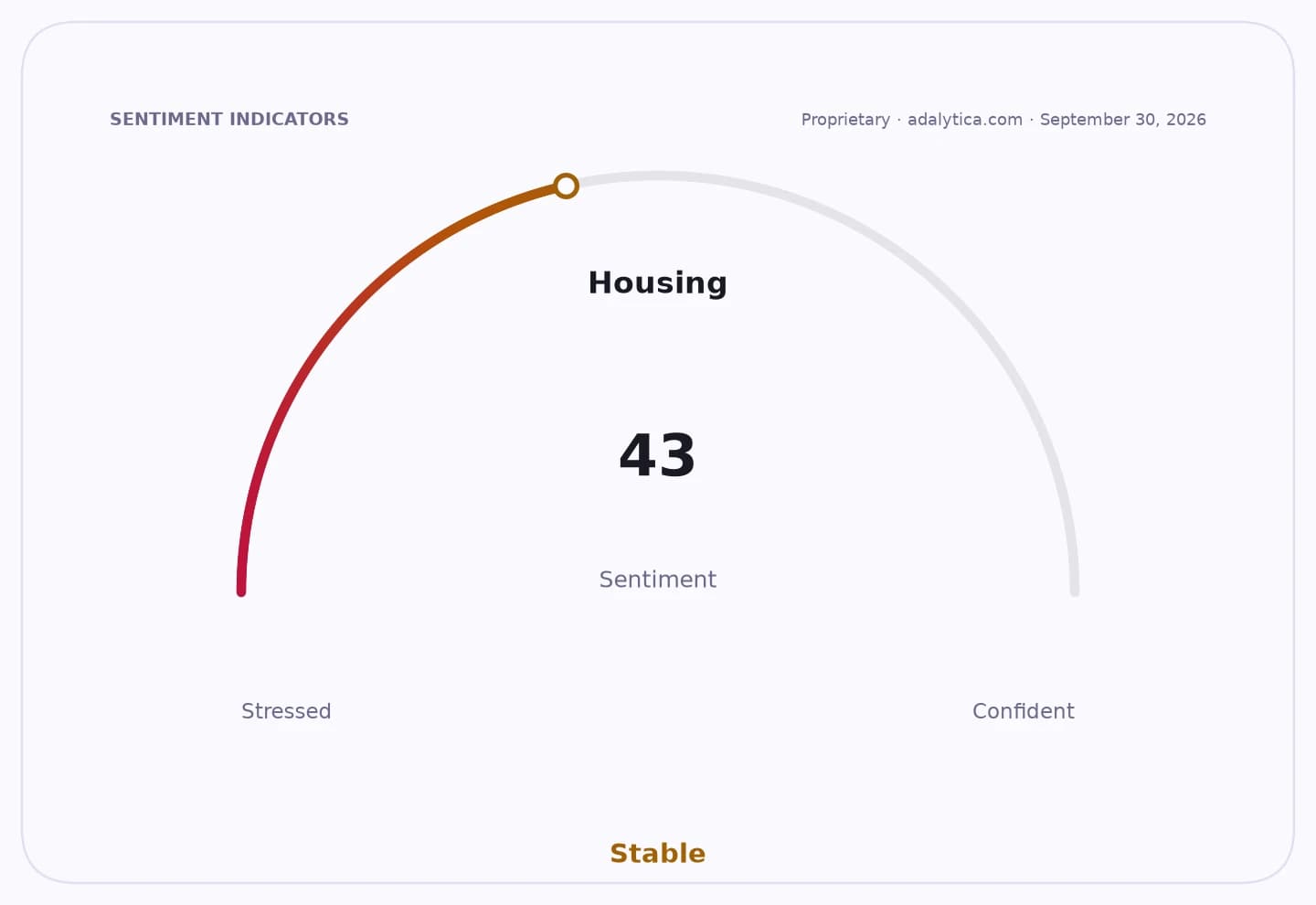
Home sales in Georgetown fell year over year in September, underscoring a cooling Central Texas housing market where higher carrying costs and longer listing times are pressuring sellers even as prices remain uneven across ZIP codes.
Georgetown home sales fell as market cooled
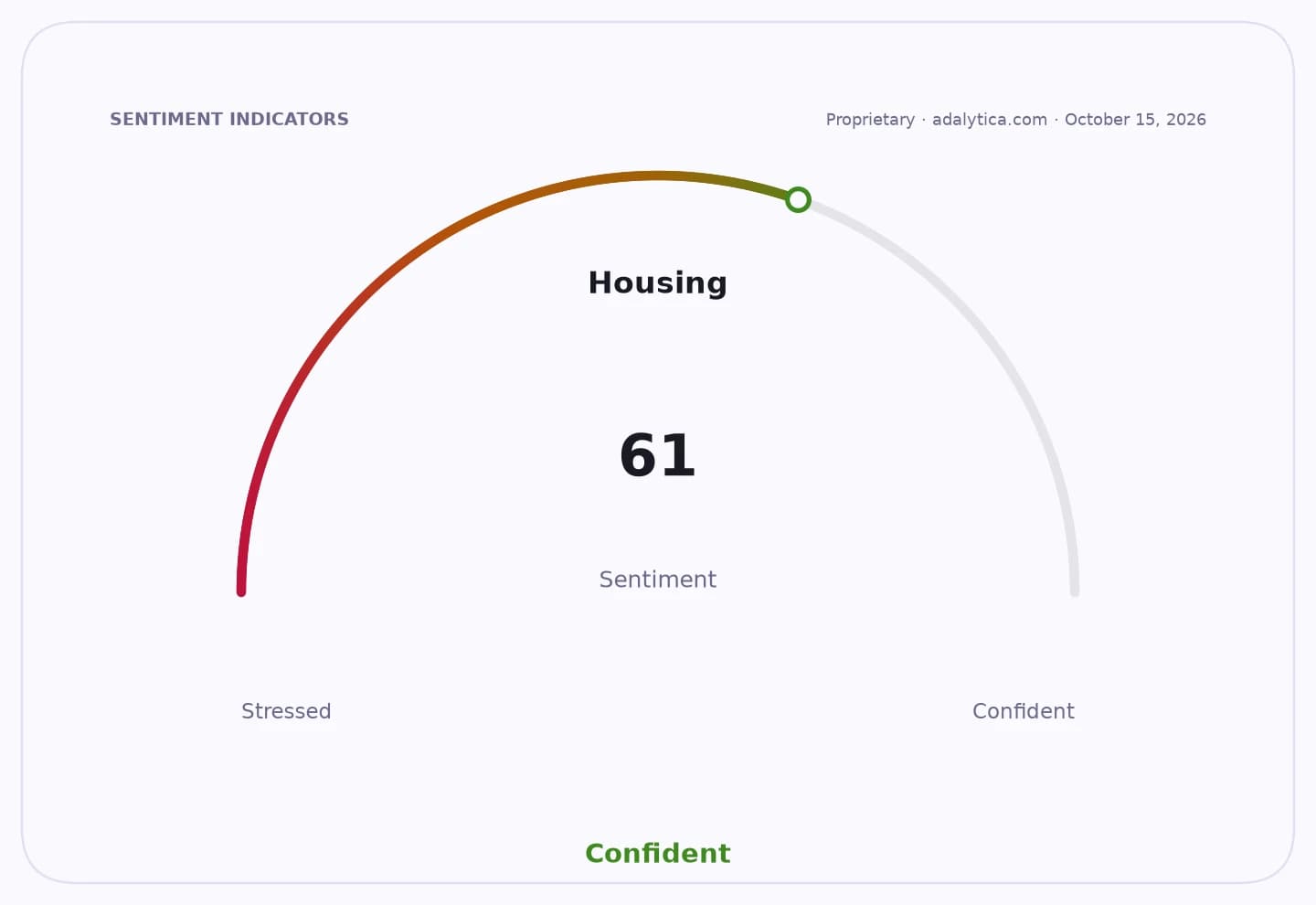
The drop matters because residential turnover is one of the clearest real-time gauges of local economic momentum. When sales volumes weaken while days on market stretch longer, it usually means buyers are becoming more selective and sellers have less pricing power. For homeowners hoping to trade up, and for builders counting on steady absorption, that is a warning that demand is no longer broad enough to support the pace seen during the boom.
Unlock MLS data showed sales across Georgetown’s three ZIP codes declined by 40 from a year earlier, even though the 78626 ZIP code logged two more closings than last September. That gain was not enough to offset softer activity elsewhere, and it came with a catch: homes in 78626 spent more than 30% longer on the market than a year ago. In other words, deals are still getting done, but only after a longer wait and with more negotiation.
Pricing trends tell the same story. Home prices in 78626 were roughly flat, while 78628 rose about 6% and 78633 fell by a similar amount. That split suggests the market is fragmenting by neighborhood and price point rather than moving in one direction, a classic sign of a late-cycle housing slowdown. Sellers in stronger pockets can still push through modest gains, but weaker submarkets are already giving up ground.
The broader backdrop does not help. National home-price data remain elevated versus pre-pandemic norms, but the real pressure is in affordability and buyer confidence. The Labor Department’s unemployment rate was 4.2% in September, low by historical standards, yet mortgage rates and insurance costs have done more damage to monthly payments than headlines about the job market suggest. That leaves many would-be buyers on the sidelines, especially in fast-growing suburbs where prices rose sharply during the prior cycle.
For investors, the Georgetown read-through is not just about one city. It reinforces the case for caution on housing-sensitive names and for selectivity within the homebuilding trade. Exchange-traded funds such as XHB and ITB have already been volatile, and the latest technical setup in both reflects a market searching for direction rather than pricing in a clean recovery. In that environment, the best opportunities tend to be in the picks-and-shovels names tied to housing activity, not the pure volume-sensitive trades.
If this pattern spreads, the winners are likely to be the companies that can profit from repair, remodeling, and land-bank discipline, while the losers are sellers and builders dependent on quick turnover and rich pricing. Georgetown is not flashing a crash signal, but it is showing something investors should care about far more: the market is normalizing, and normalization usually favors capital-efficient operators over volume chasers.
The takeaway is simple. If you are looking for the next housing inflection point, watch inventory, days on market, and local price dispersion. Georgetown says the easy-money phase is over, and that means the next winners in housing will be the firms that can grow even when transactions cannot.
| Entity | Gains | Losses |
|---|---|---|
| Homebuyers | ▲More negotiating power | ▼Faster price appreciation |
| Georgetown sellers | ▲Better chance in stronger ZIPs | ▼Longer days on market |
| Builders/Homebuilders | ▲Disciplined operators | ▼Volume-dependent sellers |
| XHB / ITB | ▲Selective stock pickers | ▼Broad housing momentum trades |