Housing anger is becoming a broader European cost-of-living story, and investors should pay attention because it is now shaping politics in Spain, Portugal, France and Italy at the same time. What began as demonstrations over rents and wages has turned into a visible warning that years of inflation, weak pay growth and tight housing supply are eroding household purchasing power across the euro area.
Europe housing protests add pressure on governments
The most important development is not the street violence itself, but the scale of the social pressure building around affordability. In Portugal, where housing prices have climbed 124% between 2015 and 2024, protesters filled Lisbon’s Rossio square and set up tents to demand cheaper rents and better wages. In France, between 550,000 and 800,000 people marched against the rising cost of living and the deterioration of public services, in one of the country’s biggest protest days in years. Italy saw clashes in Milan and Bologna as workers and students protested low salaries, precarious jobs and higher prices. Spain, meanwhile, remains in the grip of weeks of demonstrations over access to housing, with unions calling a general strike for Nov. 11.
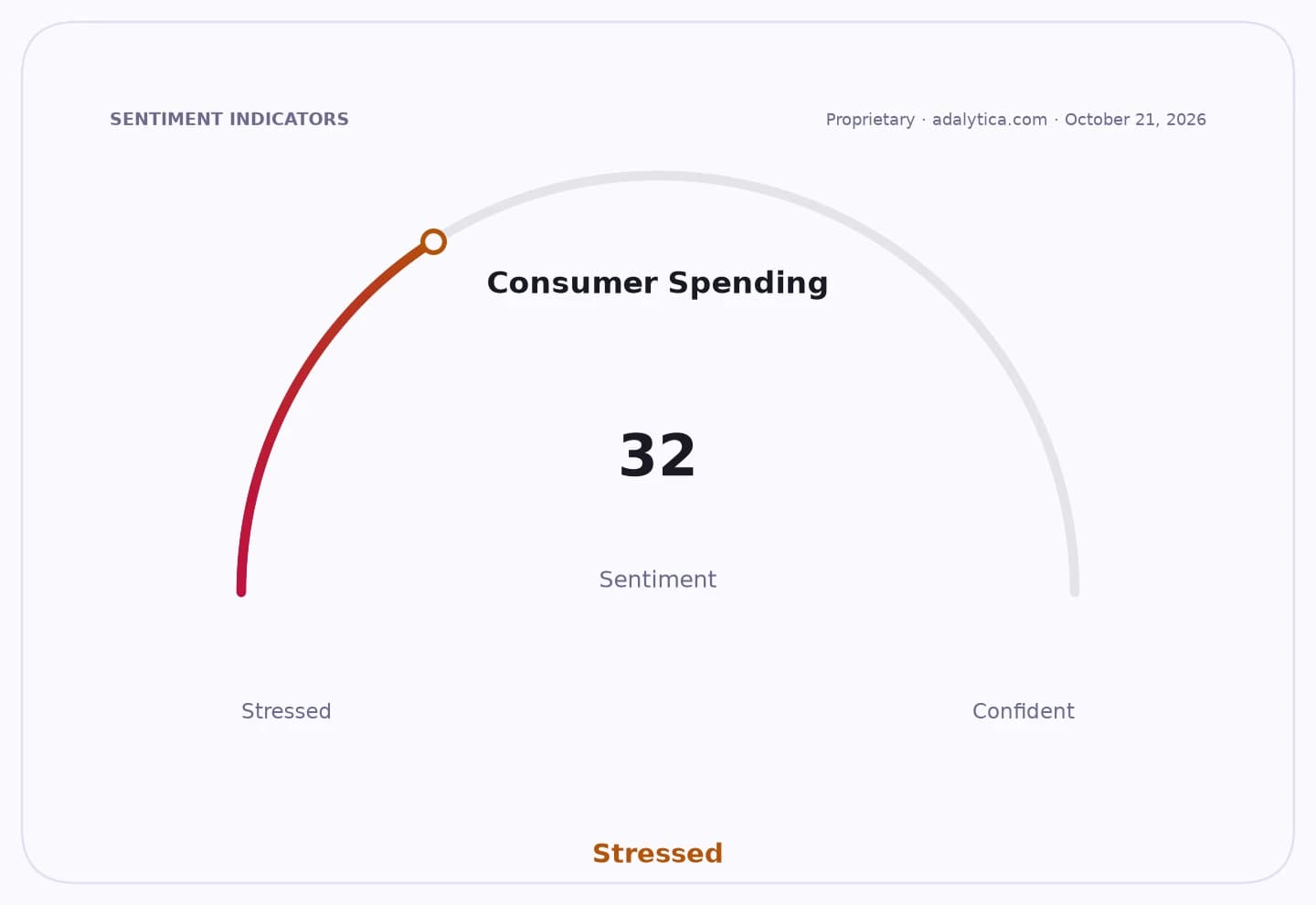
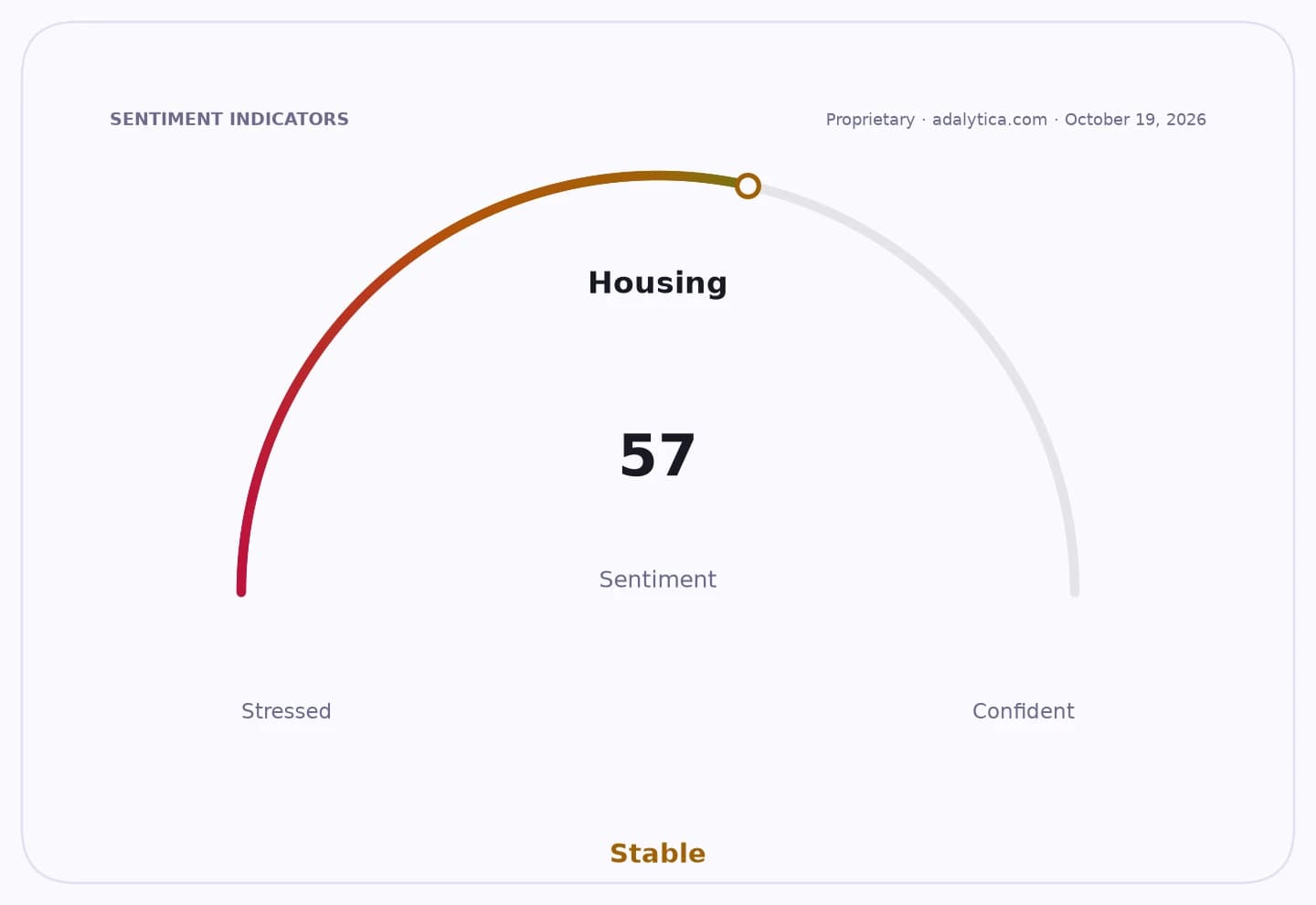
Why does this matter economically? Because housing is not just another line item in the household budget. When rents and mortgages rise faster than pay, consumers cut back elsewhere. That hits retail sales, discretionary spending and eventually growth. It also raises pressure on governments to intervene, whether through rent controls, eviction rules, wage demands or public housing measures. That can change the earnings outlook for developers, landlords, banks with mortgage exposure and consumer-facing companies that depend on household spending.
Portugal is the clearest example of the affordability squeeze turning political. The government has just approved measures that make evictions easier and remove rent caps on new contracts, which has intensified the backlash. The protests in Lisbon and Porto suggest that housing policy is becoming a live risk for the center-right government of Luis Montenegro. In France, the unrest comes on top of broader frustration with Emmanuel Macron’s economic agenda and the strain on public services. In Italy, Prime Minister Giorgia Meloni is facing a wider challenge from workers squeezed by inflation and stagnant wages, even as she condemns the violence.
For investors, the message is that social instability is no longer confined to one country or one grievance. The common thread is loss of purchasing power, and that makes this a macro story with market consequences. Equity investors should think about the second-order effects: weaker consumption, more policy risk and a tougher environment for sectors tied to household confidence. Countries that move faster on housing supply could eventually benefit, but in the near term the political impulse is likely to lean toward intervention, not deregulation.
The long-term takeaway is straightforward: Europe’s housing shortage and wage pressure are becoming a structural investment issue, not just a headline risk. Markets can shrug off one protest day, but they cannot ignore a continent-wide squeeze on living standards. For long-term investors, the better approach is to watch which governments respond with credible housing supply reforms and which merely add short-term fixes. That will matter for growth, margins and valuation over the next several years.
| Entity | Gains | Losses |
|---|---|---|
| Tenants and young workers | ▲More political leverage | ▼Higher rents and insecurity |
| Governments in Spain, Portugal, France, Italy | ▲Chance to address anger | ▼Pressure from protests and strikes |
| Landlords and property owners | ▲Potentially stronger rent pricing | ▼Risk of tighter regulation |
| Consumer and retail companies | ▲Little immediate gain | ▼Softer spending if households are squeezed |