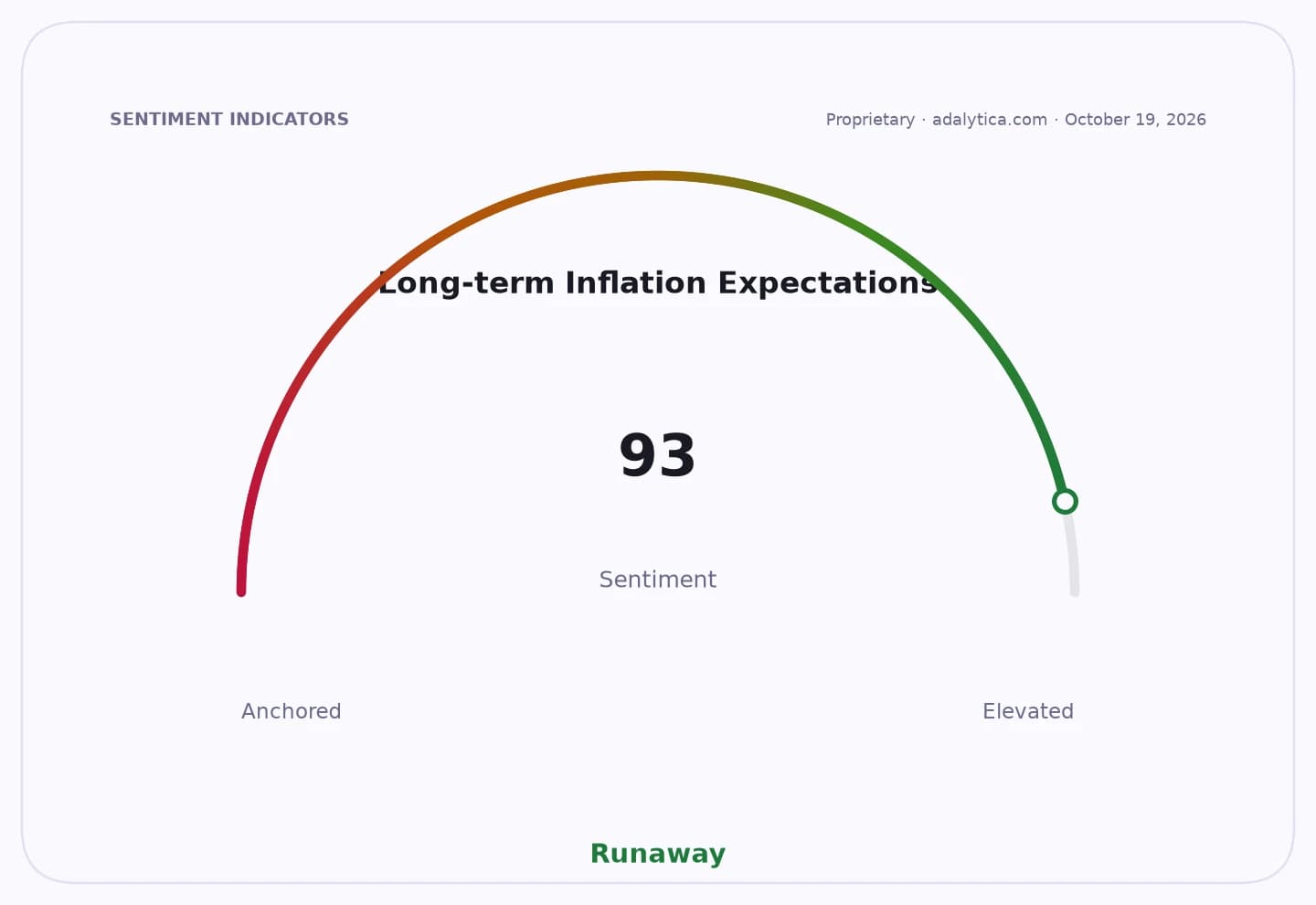
Italy is heading into a volatile autumn of strikes and street protests as inflation accelerated to 4.2% in September, with fuel prices driving up costs and putting Giorgia Meloni’s government under pressure just months before elections.
Italy inflation sparks strikes and protests
The unrest matters because it turns a cost-of-living squeeze into a political risk for a country that has prided itself on stability and fiscal discipline. Students, teachers, truck drivers and farmers are all moving against the same pressure point: stagnant pay, higher transport costs and a public mood that is deteriorating faster than wages can recover.
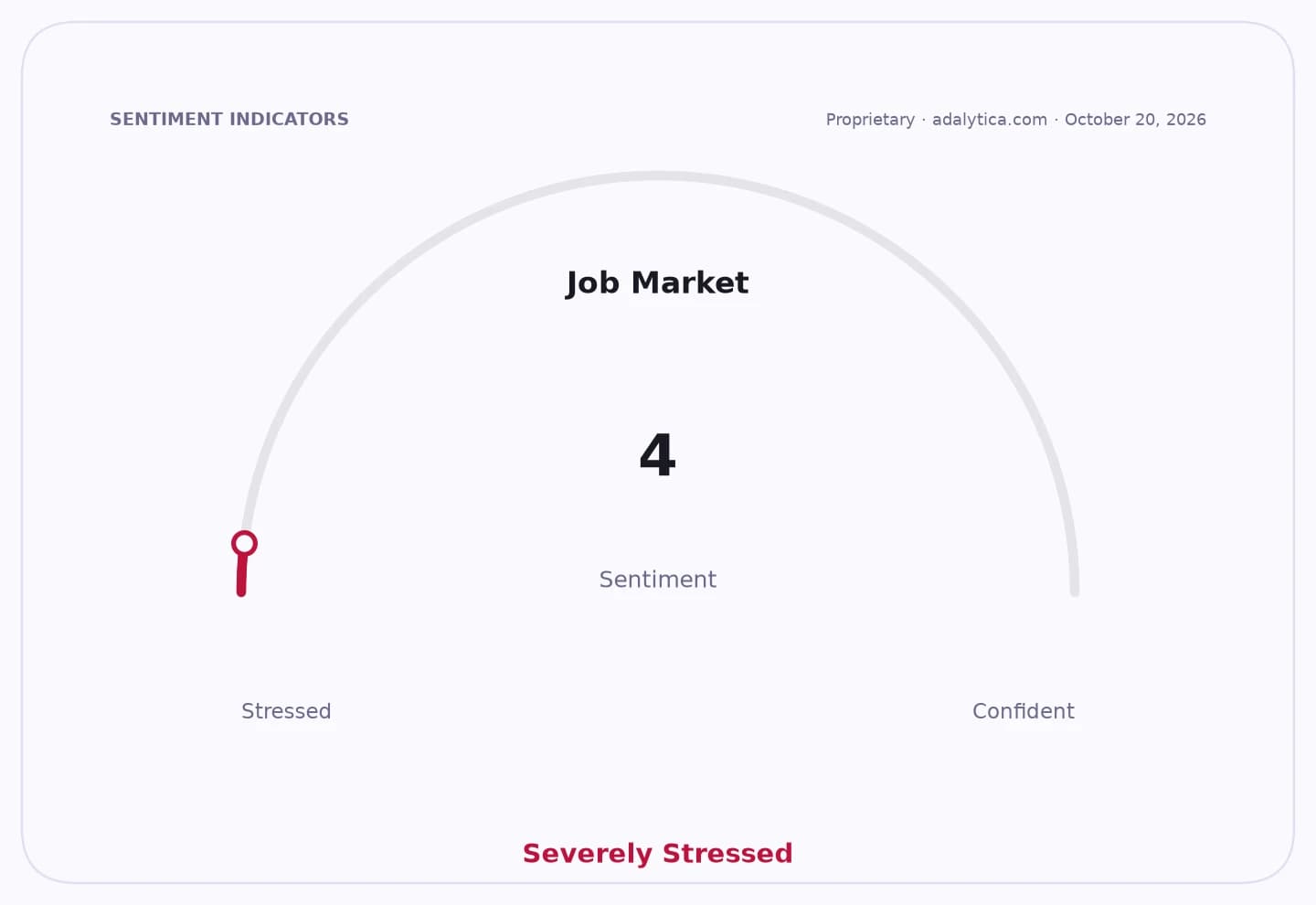
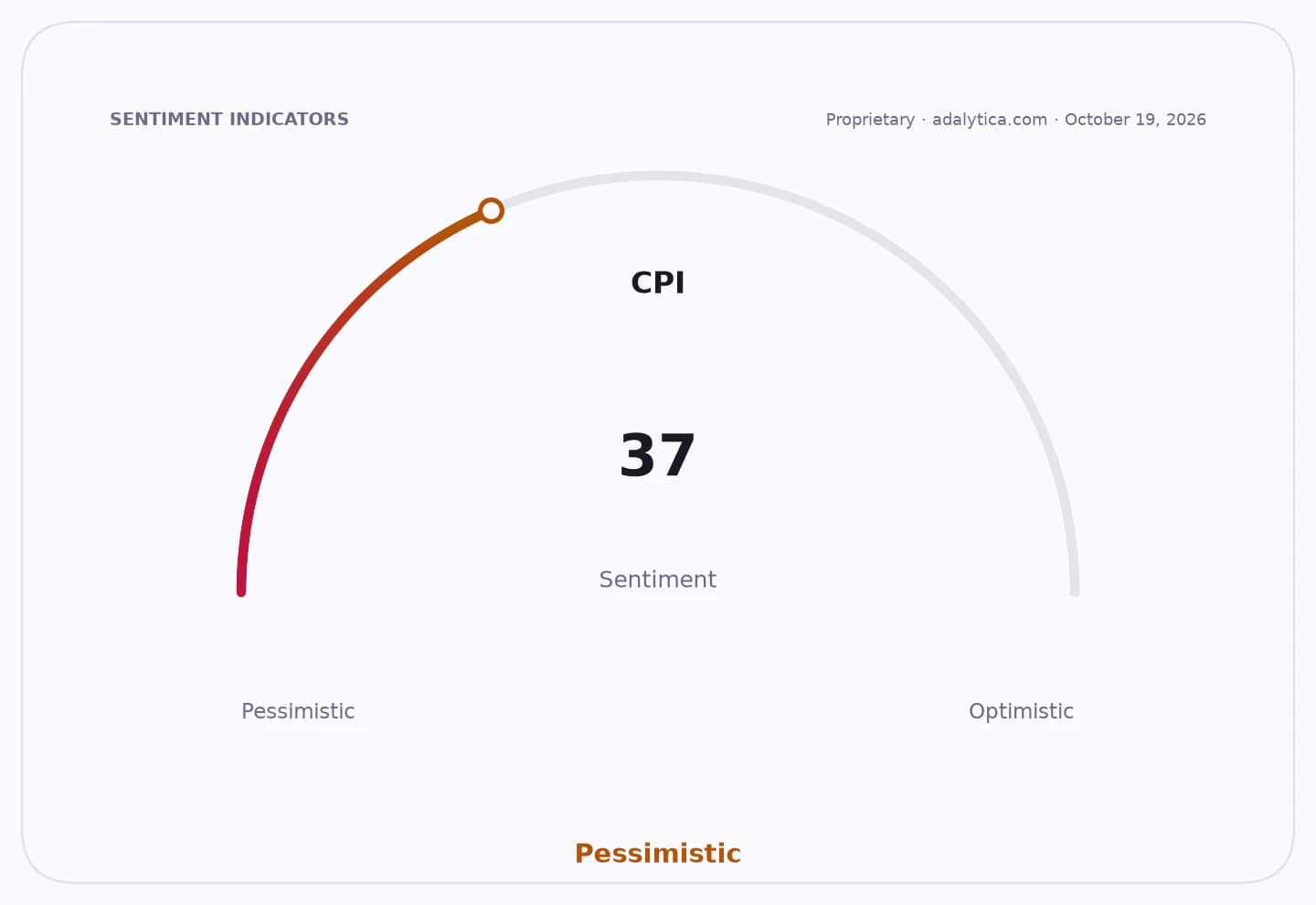
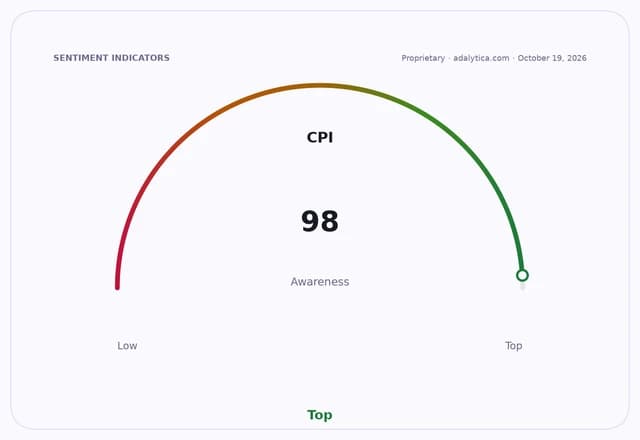
Sentiment IndicatorsⓘProprietary · adalytica.com · October 19, 2026
This is a snapshot — live sentiment, awareness and momentum for 130+ markets update continuously in the dashboard.Open AlphaPulse
Fuel inflation has become the clearest trigger. Farmers and hauliers blocked roads in Puglia, Calabria and Sicily this week, slowing fuel transport and threatening pasta production, while the Conftrasporto union warned of a possible “national blockade” over energy prices.
The timing is awkward for Meloni, whose coalition recently became Italy’s longest-serving government. Her administration has won praise for keeping public finances in check, but the political dividend is being eroded by a living-cost shock that hits households and businesses at the same time.
The economic backdrop is weak enough to make the protests stick. Real wages in Italy fell 6.6% between 1990 and 2026, according to the Parliamentary Budget Office, and the OECD says pay took longer to recover after the pandemic than in most other major European economies. That leaves Italians more exposed than their neighbours when energy and transport costs rise.
Meloni has already used tax suspensions and pressure on fuel distributors to hold petrol below two euros a litre, but those measures are only buying time. With elections due next year, purchasing power is becoming the central issue of the campaign, and unions are trying to keep wages, jobs and living standards at the front of the debate.
Student protests add another layer of pressure. Demonstrations in Rome, Milan and Bologna have centred on the cost of living and studying, while schools have been occupied in several cities and a teachers’ union is demanding higher pay and new hiring. For investors, that combination points to a broader social slowdown risk rather than a one-off protest cycle.
The market implication is less about immediate price action than about policy constraints. A government under protest pressure is less free to let fuel prices normalise, raise fees or tighten spending, which raises the odds of ad hoc support measures and keeps the fiscal debate politically sensitive.
The next catalyst is whether the unrest spreads from campus occupations and road blockades into a broader national movement. If that happens, Italy’s autumn protest wave could evolve from a labour and student revolt into a full test of Meloni’s economic credibility ahead of the vote.
| Entity | Gains | Losses |
|---|---|---|
| Students and unions | ▲Visibility for wage and cost-of-living demands | ▼Higher risk of police crackdowns |
| Truck drivers and farmers | ▲Leverage on fuel and transport costs | ▼Disrupted logistics and production |
| Meloni government | ▲Chance to project order and stability | ▼Political support ahead of elections |
| Consumers and businesses | ▲Potential short-term relief measures | ▼Persistent inflation and margin pressure |