Italy’s inflation accelerated more than expected in September, rising to a three-year high and keeping pressure on the European Central Bank to hold rates higher for longer even as growth across the bloc remains fragile.
Italy Inflation Rises to 3-Year High in September
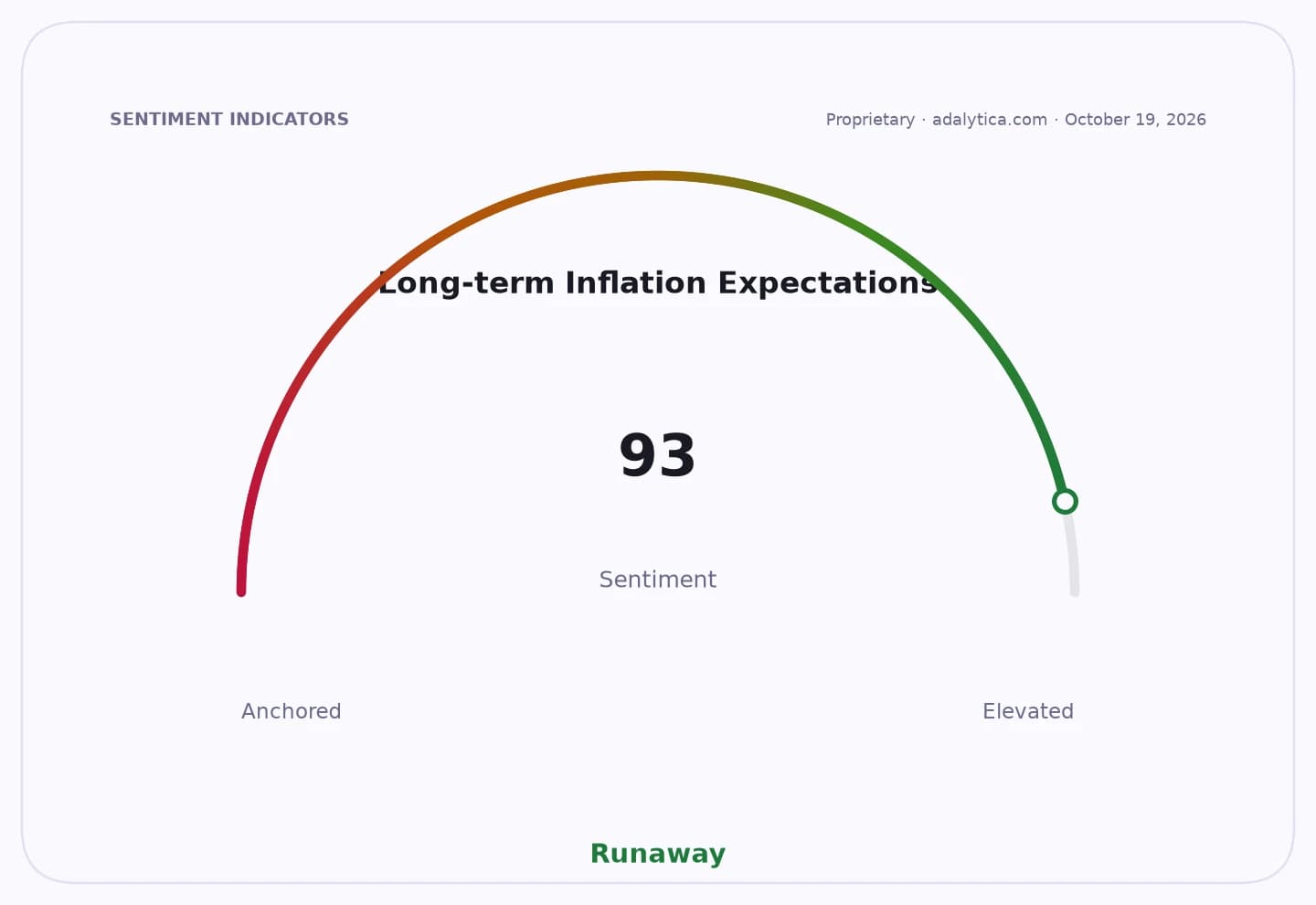
Consumer prices in Europe’s third-largest economy rose 4.2% from a year earlier, according to a second estimate from Istat, up from 3.2% in August and above the 4.1% forecast in a preliminary reading. It was the fastest pace since September 2023 and adds to signs that the euro zone’s disinflation process is uneven.
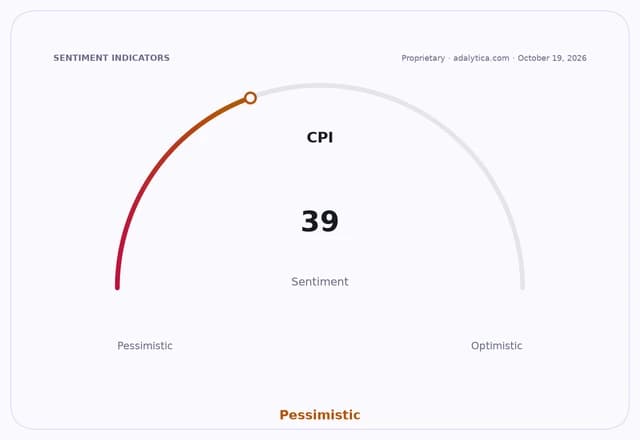
Energy was the main driver, with prices jumping more than 20% from a year earlier, while core inflation — which strips out food and energy — stayed comparatively tame at 1.6%. On a monthly basis, prices climbed 2.1%, also slightly hotter than expected.
The figures matter because Italy’s inflation rate is now running well above the ECB’s 2% target for the euro area as a whole. That leaves the central bank with less room to ease policy if price pressures in the bloc prove sticky, even as weaker domestic demand and higher borrowing costs weigh on households and businesses.

For investors, the data reinforces the case for higher-for-longer rates across European markets. Italian assets are especially sensitive to energy-led inflation because it can hurt real incomes, pressure corporate margins and weigh on government bond sentiment if traders start to question the pace of ECB cuts.
The report also lands at a time when energy markets remain a key swing factor for European inflation and growth. A sustained rise in electricity and fuel costs would complicate the outlook for consumers and could keep short-term inflation expectations elevated, making the next ECB moves harder to predict.
| Entity | Gains | Losses |
|---|---|---|
| Energy producers | ▲Higher pricing power | ▼None from this data |
| Italian consumers | ▲None | ▼Lower real purchasing power |
| ECB hawks | ▲Stronger case for caution | ▼Dovish rate-cut bets |
| Italian bonds | ▲None | ▼Higher yield pressure |