Poland’s inflation has climbed back above the National Bank of Poland’s upper target limit, sharpening the case for another rate increase and keeping pressure on policymakers even as the zloty stays hostage to global markets.
Poland inflation rises above NBP target band

Consumer prices rose 4.1% year-on-year in September, the fastest pace in more than a year and above both market expectations and the NBP’s 1.5%-3.5% target band. The reading, which followed a 0.7% monthly increase, puts the central bank back in a familiar bind: growth in prices is no longer a one-off shock, but broad enough to force consideration of tighter policy if the trend persists.
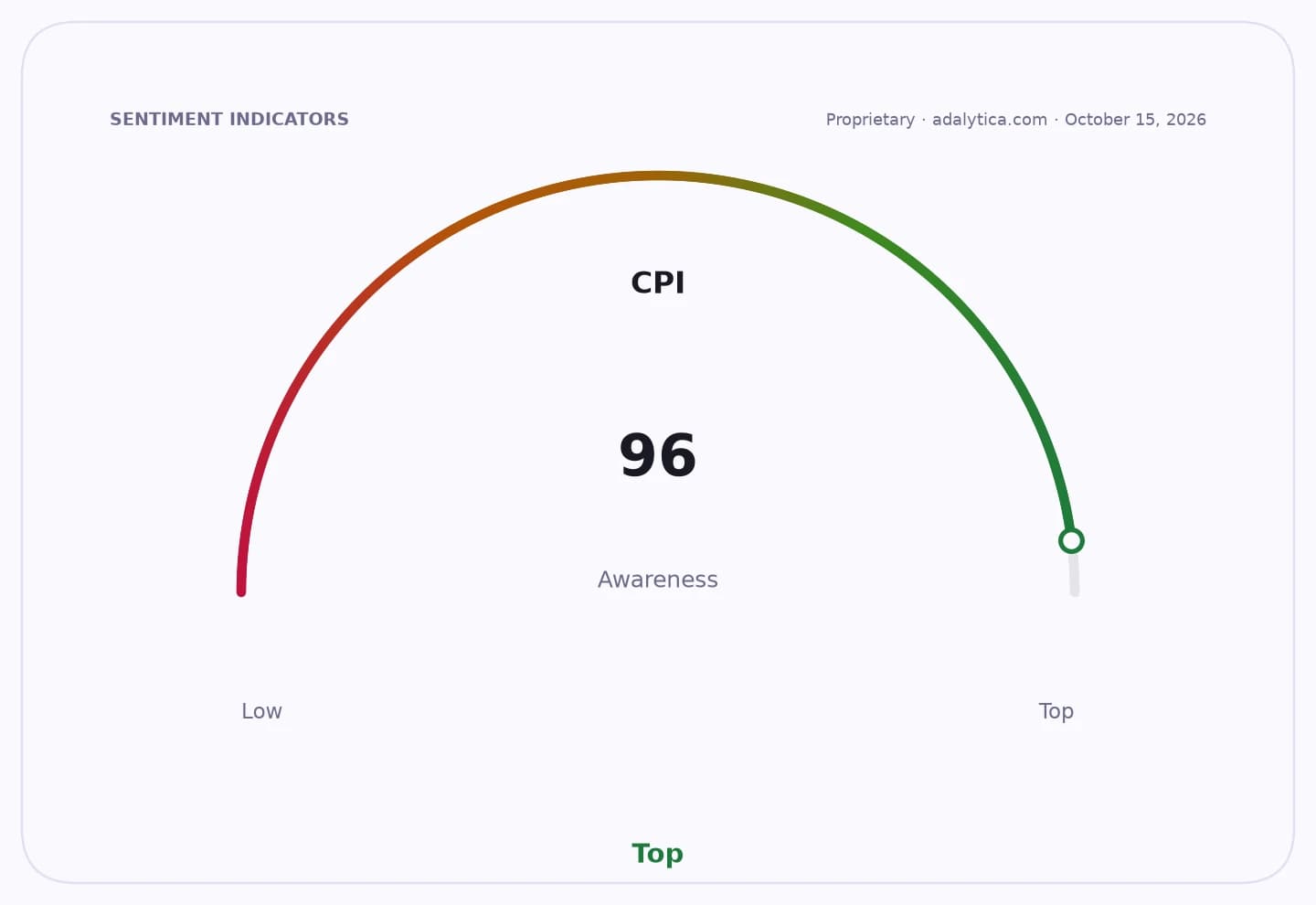
Sentiment IndicatorsⓘProprietary · adalytica.com · October 15, 2026
This is a snapshot — live sentiment, awareness and momentum for 130+ markets update continuously in the dashboard.Open AlphaPulse
The composition of the data matters as much as the headline. Services inflation ran at 5.3% and goods prices at 3.6%, while transport surged 17.9% from a year earlier, underscoring how higher energy and fuel costs are feeding through the economy. That is economically important because transport is a common input across supply chains, raising the risk that a fresh round of price increases spreads beyond the categories already showing strain.
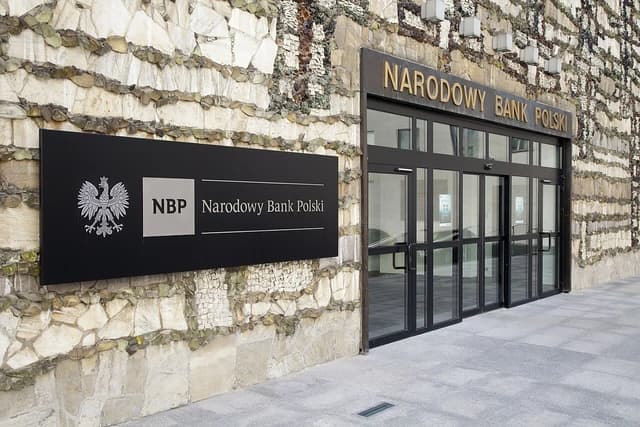
For the Monetary Policy Council, the timing is awkward but decisive. Members including Ludwik Kotecki and Ireneusz Wnorowski have already signalled willingness to tighten if the latest inflation projection confirms an upward path, and the September print increases the odds of a move as soon as November. Still, the NBP is not reacting to one number in isolation. A temporary government fuel-support package may soften some price pressure into year-end, but energy markets remain elevated and are complicating the disinflation outlook.
That external backdrop helps explain why the zloty did not rally on the inflation data. EUR/PLN held near 4.37 and USD/PLN around 3.90, with traders focused instead on firmer dollar trade and impending U.S. CPI data. In other words, domestic inflation is no longer enough on its own to support the currency if global FX flows are moving the other way.
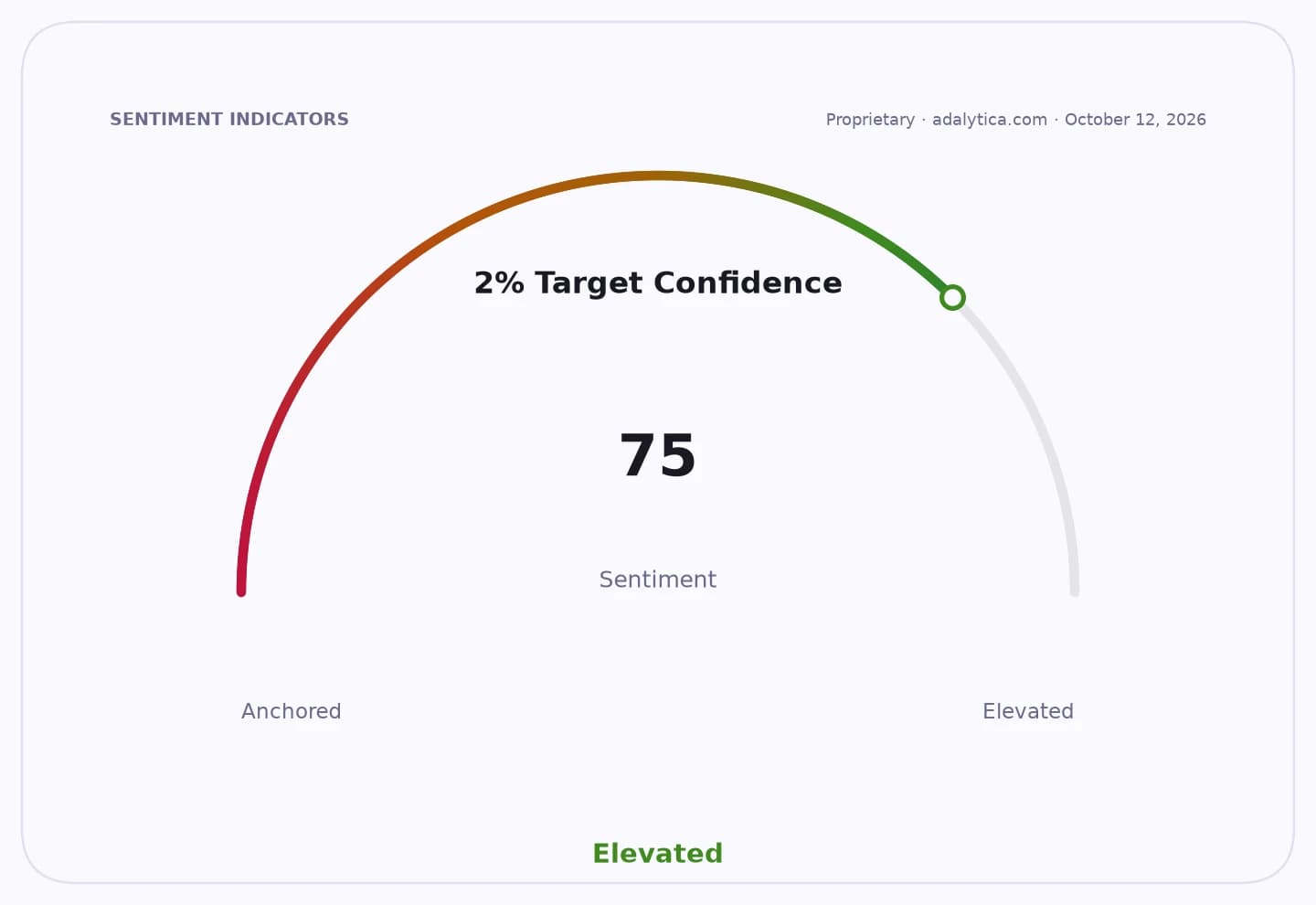
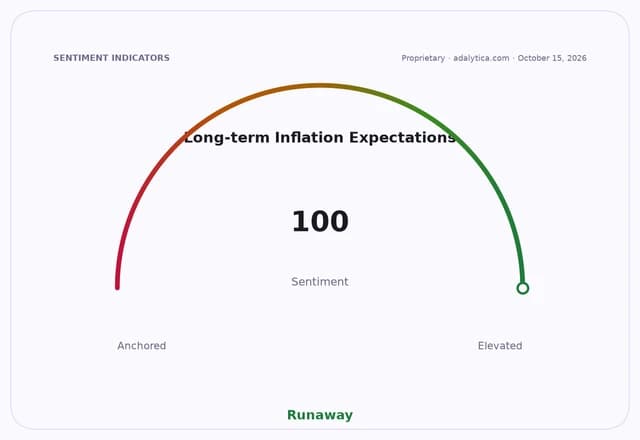
For investors, the implications are straightforward. Higher inflation raises the probability of tighter monetary policy, which would be supportive for rates and potentially the currency, but negative for rate-sensitive assets and for borrowers who had been counting on a prolonged pause. It also keeps real yields and inflation expectations in focus. Adalytica’s long-term inflation expectation gauges and breakeven sentiment measures are flashing extreme readings, suggesting the market is pricing in a more persistent inflation regime than officials would like.
The bull case for Polish assets is that the September jump proves temporary and gives the NBP justification to lean against inflation expectations before they become entrenched. The bear case is that transport and energy costs keep pressure on prices into winter, forcing the bank into a later and more disruptive tightening cycle. For now, the key catalyst is the NBP’s next inflation projection: if it confirms momentum, November may become the point where the central bank stops talking about vigilance and starts acting.
| Entity | Gains | Losses |
|---|---|---|
| NBP hawks | ▲tighter policy case | ▼delay in action if inflation persists |
| Borrowers | ▲lower near-term rates | ▼higher debt-service costs |
| Zloty bulls | ▲eventual rate support | ▼weak immediate FX response |
| Consumers | ▲fuel support may soften prices | ▼higher transport and services costs |