Ex Ilva is set to place 9 out of every 10 employees on temporary layoff, a blow that underscores how Italy’s biggest steel question has become a labor and industrial-policy problem as much as a corporate one.
Ex Ilva to Put 90% of Workers on Layoff
The move hits a workforce already facing years of uncertainty around the former Ilva steelmaker, and it raises the stakes for Rome as it tries to keep the plant viable without triggering a wider collapse in jobs, output and supplier activity in southern Italy. For investors, the latest cutback signals that the turnaround path remains fragile and that any resolution will likely require more state support, deeper restructuring or both.
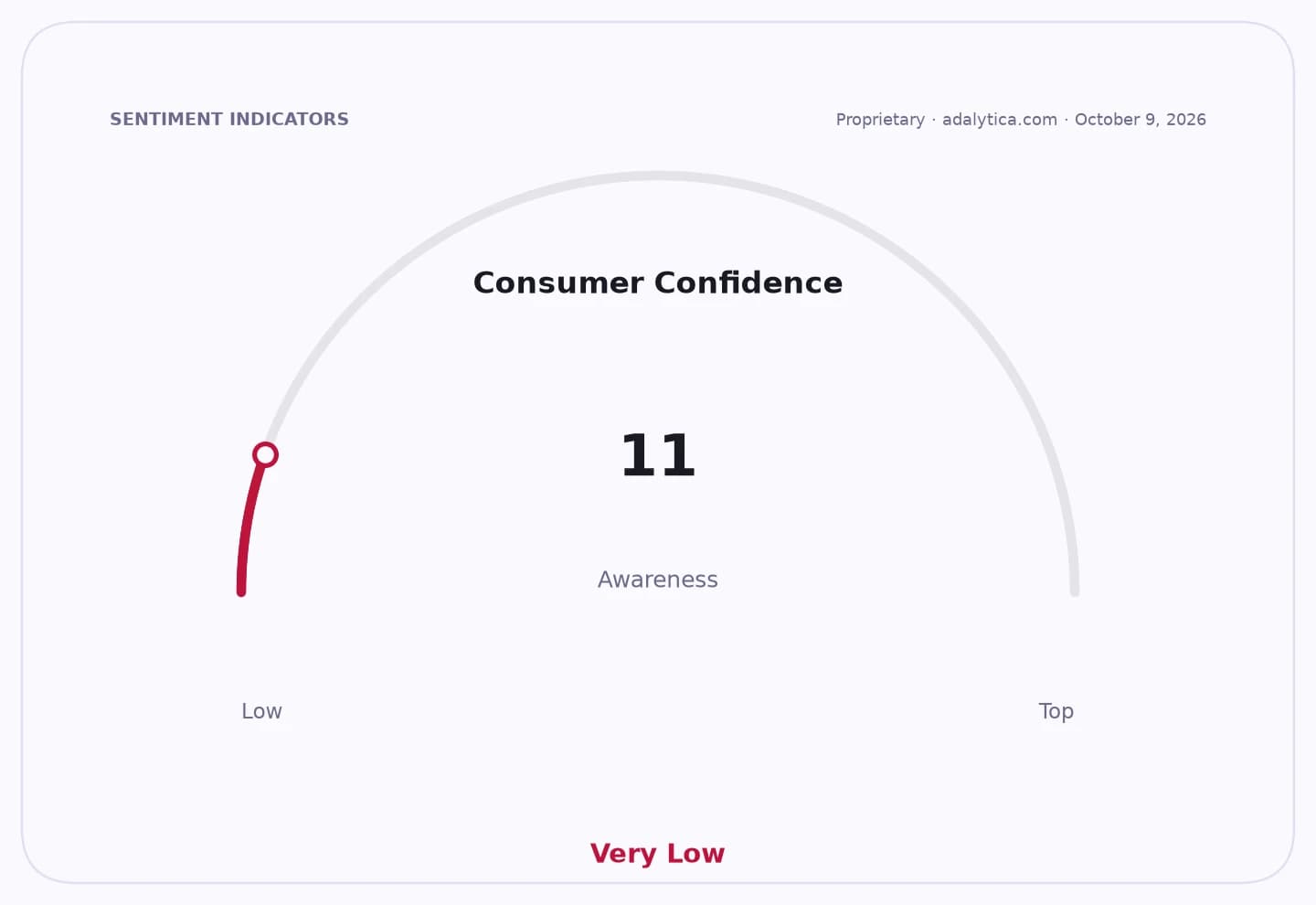
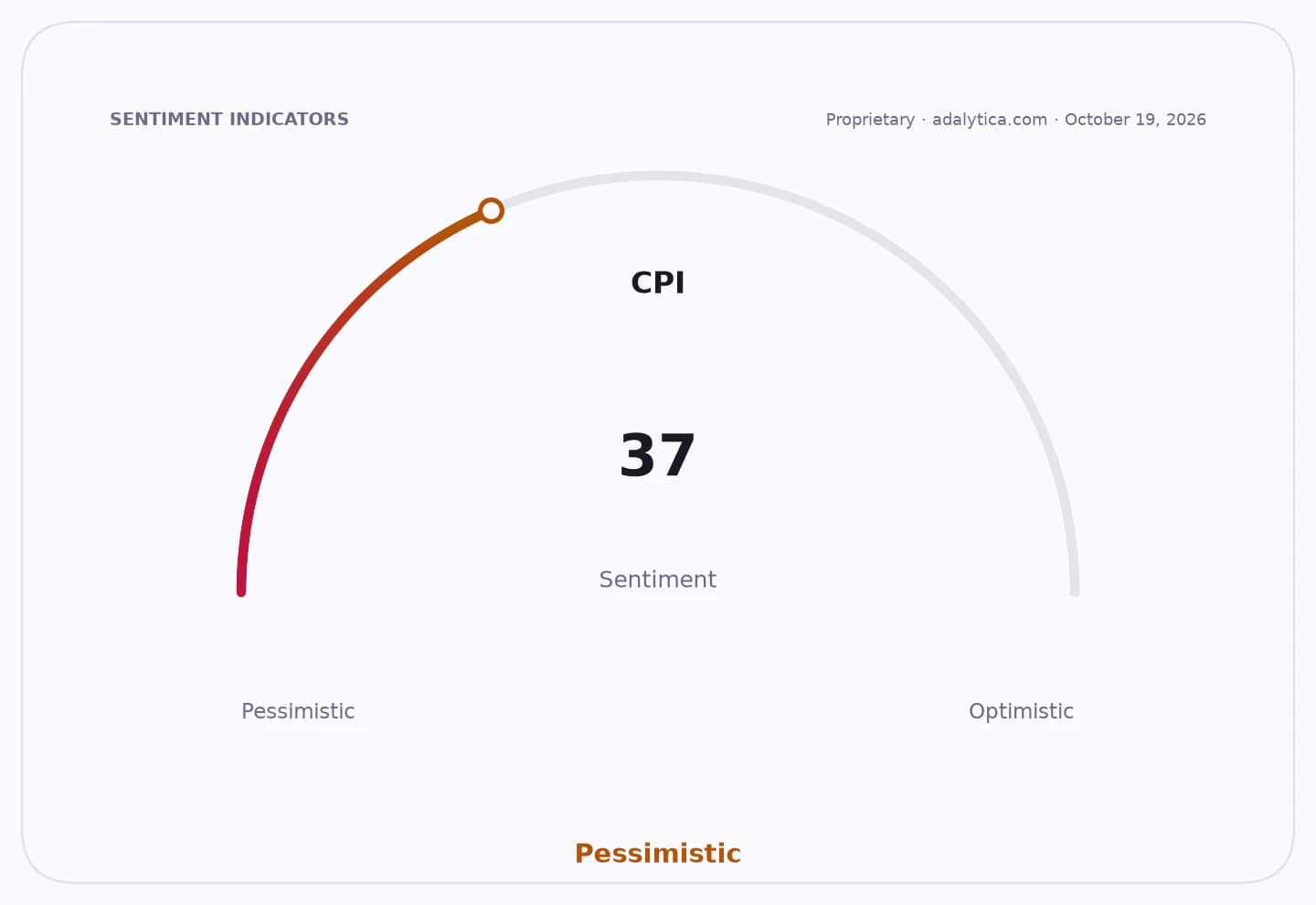
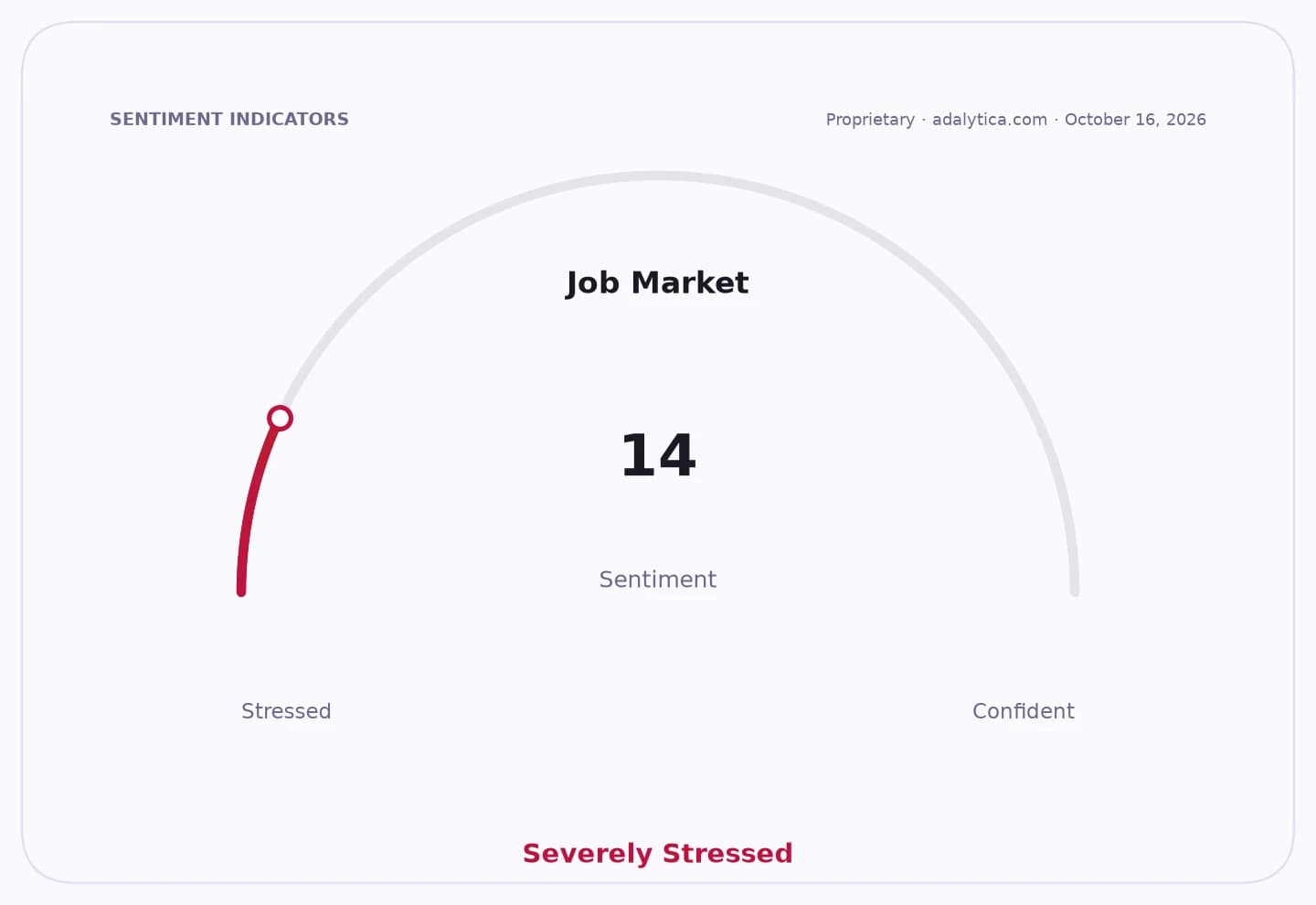
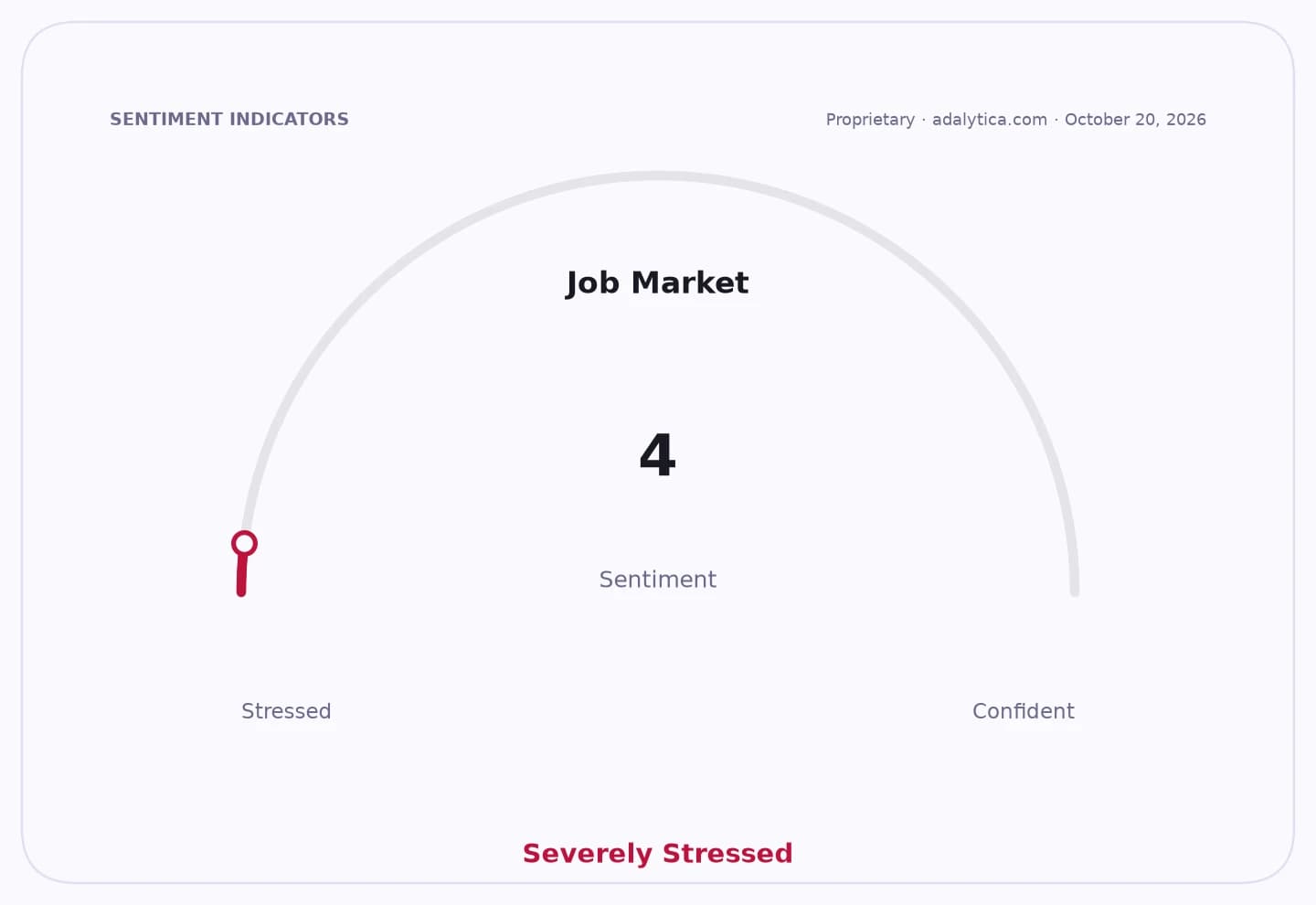
Sentiment IndicatorsⓘProprietary · adalytica.com · October 20, 2026
This is a snapshot — live sentiment, awareness and momentum for 130+ markets update continuously in the dashboard.Open AlphaPulse
Steel production matters well beyond the factory gates. Taranto has long been central to Italian industrial supply chains, feeding construction, manufacturing and export-related demand. A shutdown or prolonged curtailment would ripple through logistics, maintenance contractors and local consumption, while also tightening pressure on policymakers to prevent a social crisis in a region where alternative employment is scarce.
The labor shock lands against a backdrop of already weak job-market signals in broader Italy-focused indicators, even if national unemployment remains around 4.2% and manufacturing production is still edging higher. That mismatch highlights how sector-specific distress can hit communities far harder than the headline macro data suggests.
For the market, the story is less about a listed equity reaction than about the balance of risk around the steel sector, government intervention and the cost of keeping strategically important industrial assets alive. The longer Ex Ilva stays in limbo, the more the burden shifts from operational turnaround to political negotiation, with workers bearing most of the immediate cost.
The next catalyst is whether Rome can broker a plan that limits job losses, preserves output and keeps creditors, unions and the state aligned. If not, Ex Ilva’s crisis is likely to deepen into another test of Italy’s willingness to subsidize heavy industry to protect employment.
| Entity | Gains | Losses |
|---|---|---|
| Ex Ilva management | ▲More operating flexibility | ▼Labor unrest, reputational damage |
| Italian government | ▲Time to negotiate rescue terms | ▼Political pressure, higher support costs |
| Workers | ▲Temporary income support | ▼Job security, spending power |
| Local economy in Taranto | ▲Some plant continuity | ▼Supplier demand, household income |