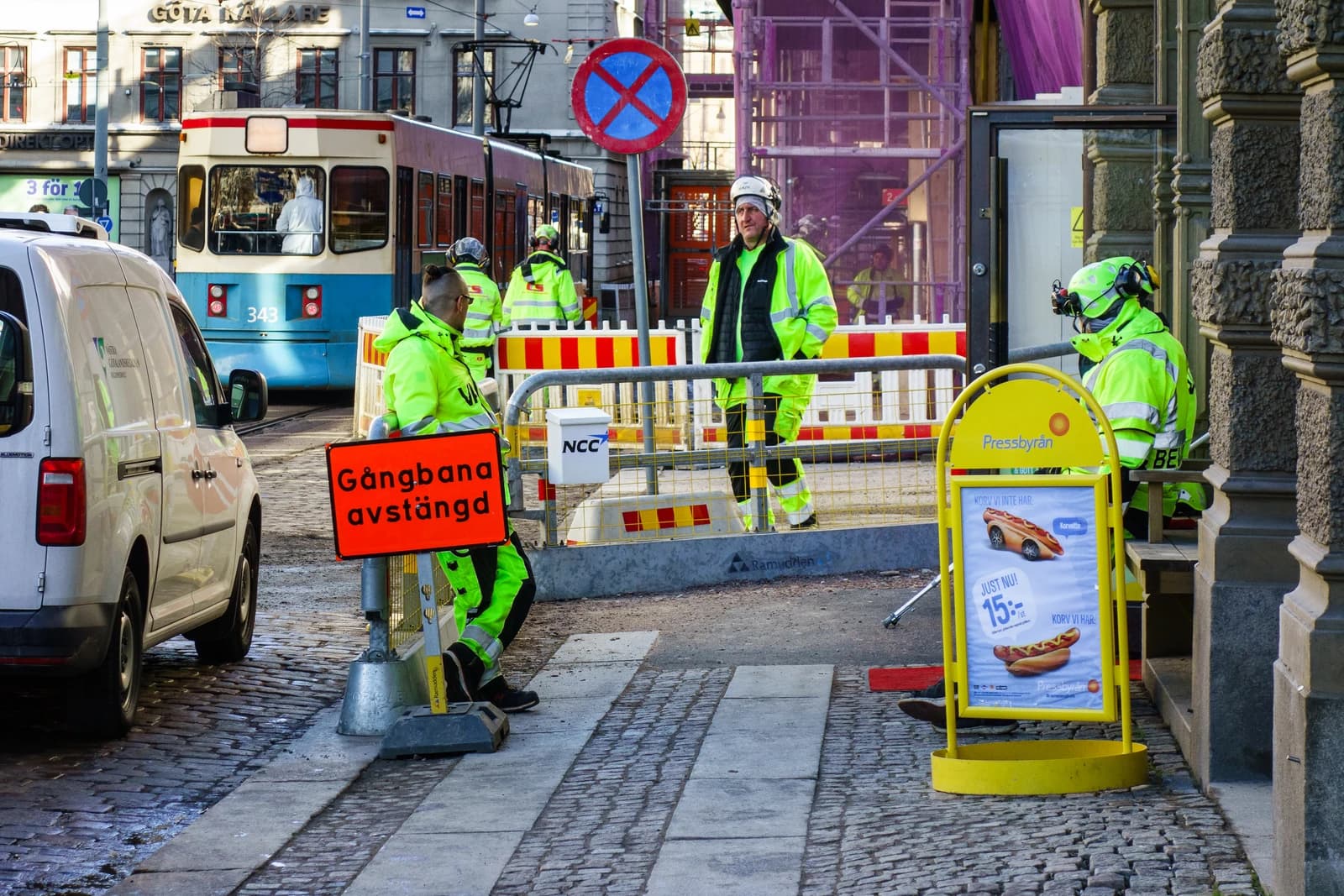
Switzerland’s labour market is tightening around the occupations that keep the real economy running, with demand for construction workers, electricians and mechanics leading a modest third-quarter recovery and underscoring how persistent the skills shortage has become.
Switzerland job market tightens in trades and technical roles
The Swiss Job Market Index, compiled by Adecco and the University of Zurich, rose 0.8 points from the previous quarter and a year earlier to 131.5, a small but telling gain in an economy still wrestling with labour mismatches. The message for investors is bigger than the headline number: Europe’s high-value industrial and infrastructure cycle still depends on a workforce that is increasingly hard to find.
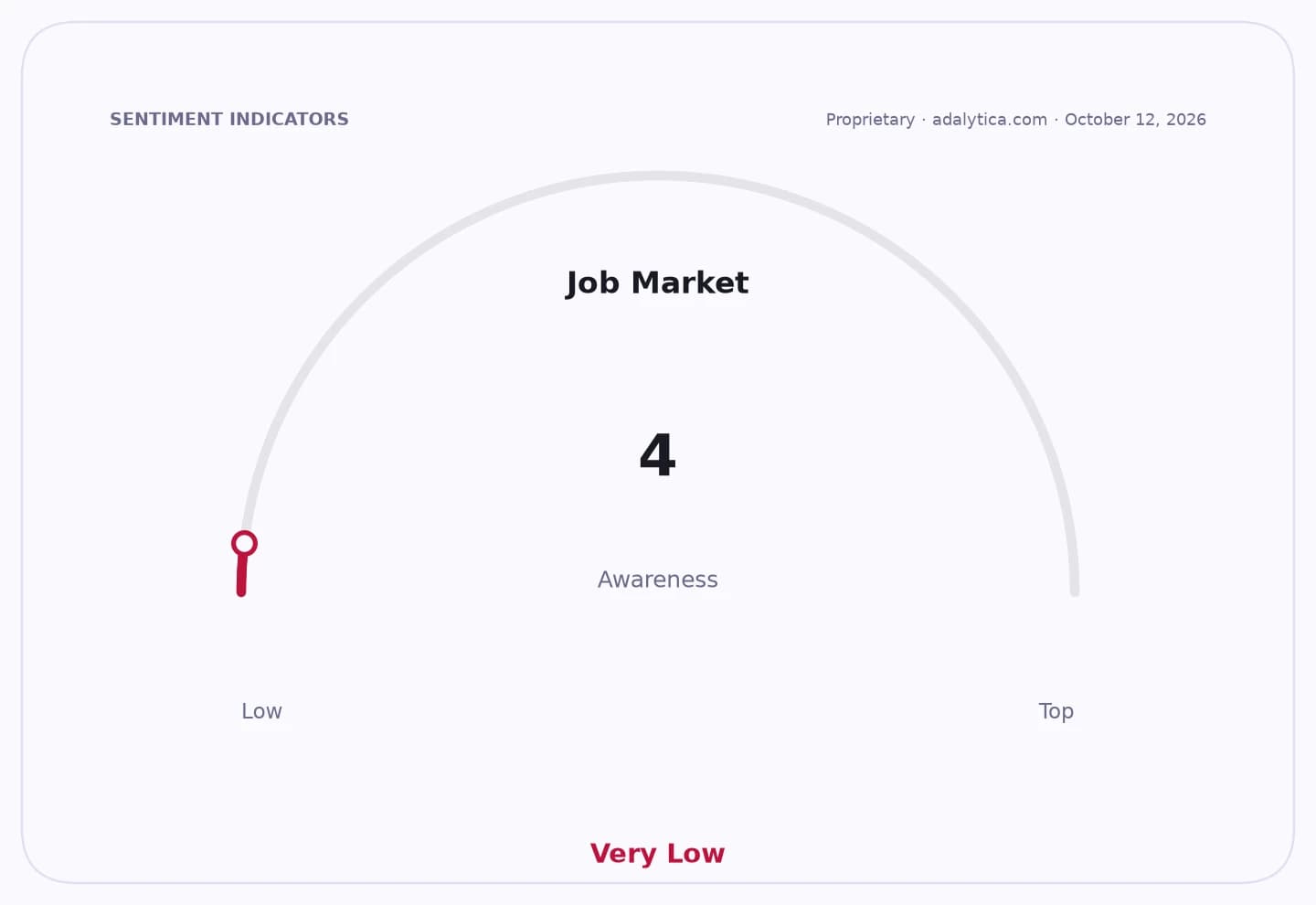
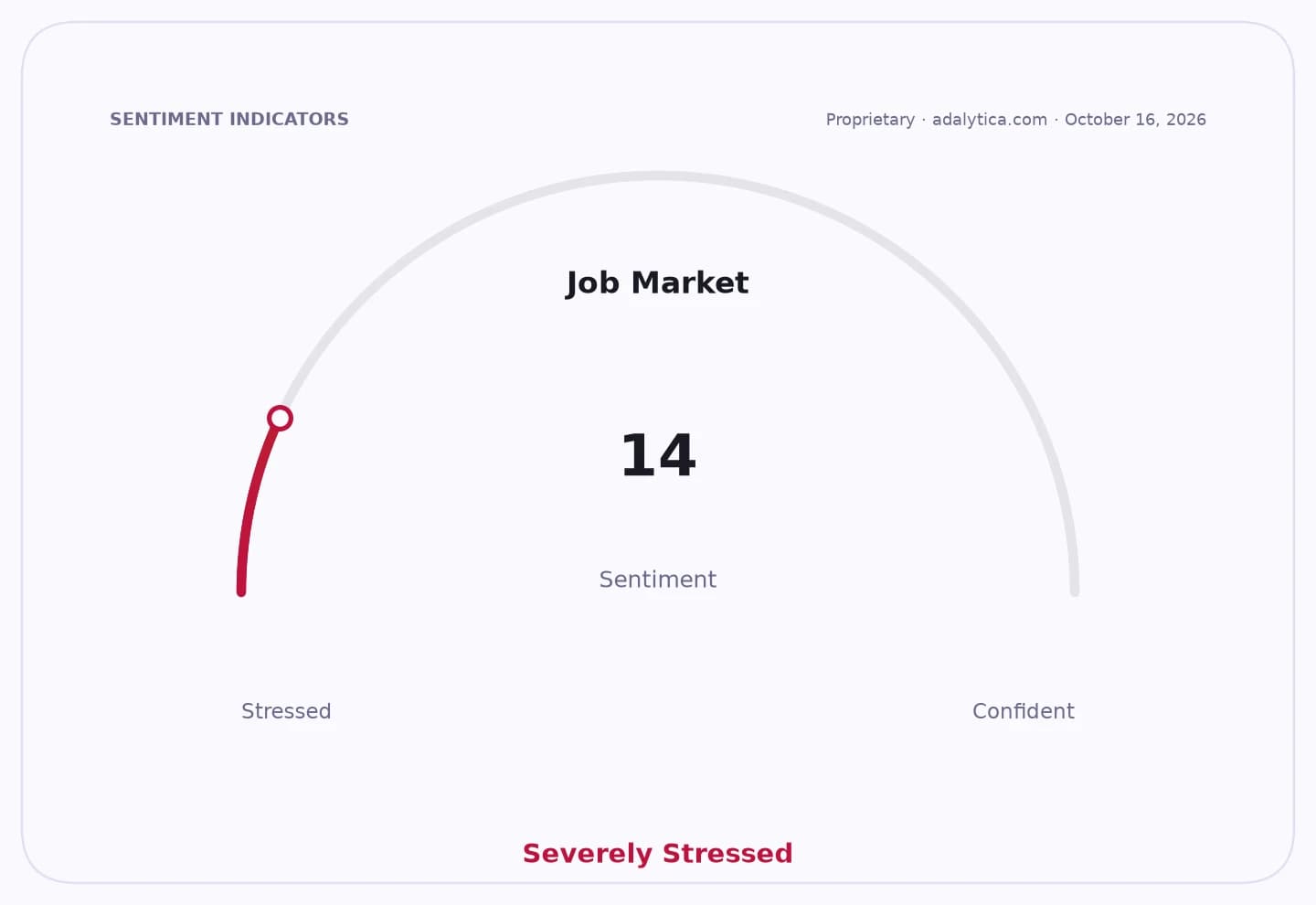
Sentiment IndicatorsⓘProprietary · adalytica.com · October 16, 2026
This is a snapshot — live sentiment, awareness and momentum for 130+ markets update continuously in the dashboard.Open AlphaPulse
That scarcity matters because trades and technical roles are the bottleneck for construction, maintenance, logistics and factory output. When companies cannot hire electricians, mechanics or site workers fast enough, projects slow, costs rise and wage pressure builds — a direct cost to margins for builders, manufacturers and infrastructure operators. It is also a reminder that even in an AI-driven economy, not every job is being displaced by software. Adecco’s report said about a quarter of the occupations in question face only moderate automation risk from artificial intelligence, while just 2% are seen as highly exposed.
That split is important. AI is still reshaping white-collar tasks, but the jobs tied to physical execution, installation and repair remain structurally scarce. In economic terms, that supports pay growth in skilled trades and keeps upward pressure on labour costs in sectors already strained by investment in housing, transport, energy grids and data centers. It also reinforces a theme the market often misses: the winners from the AI buildout are not only chipmakers and cloud platforms, but also the industrial names that supply equipment, materials and project execution.
The investable angle is straightforward. Companies that sell into construction, electrification, industrial maintenance and infrastructure should continue to see durable demand even if broader growth softens. That favors the picks-and-shovels of the real economy — from machinery and heavy equipment makers to materials suppliers and industrial service providers. In the U.S., that lens points to ETFs such as XLI, IYJ and PAVE, which have tracked the broader industrial and infrastructure trade as investors look for beneficiaries of capex, reshoring and power-grid spending.
For Europe and Switzerland, the implication is similar: the labour shortage is not just a social issue, it is a capacity constraint. As long as companies cannot hire enough tradespeople and technicians, backlogs should remain elevated and pricing power should stay intact for firms that can actually deliver projects. That creates an asymmetric setup for industrial and infrastructure exposure — and a reminder that the most valuable asset in this cycle may be skilled labour itself.
| Entity | Gains | Losses |
|---|---|---|
| Tradespeople and technicians | ▲Higher demand, wage leverage | ▼None |
| Construction and industrial employers | ▲Better capacity if they can hire | ▼Delays, higher labour costs |
| AI/software automation | ▲Limited role in physical trades | ▼Slower displacement narrative |
| Industrial ETFs (XLI, IYJ, PAVE) | ▲Support from capex and infrastructure demand | ▼Less benefit if hiring bottlenecks persist |