The global rush to build artificial intelligence infrastructure is keeping cross-border trade hot even as tariffs and freight costs rise, with U.S. AI-related imports up 60% from a year earlier and far outpacing the 8% gain in other imports.
AI Imports Lift Trade, TSMC Profit Outlook

That strength matters because the AI investment cycle is no longer just a chip story — it is moving containers, aircraft cargo and industrial inputs through Asia, North America and the Middle East, supporting manufacturing, logistics and capital spending across the supply chain. Oxford Economics says the demand is still strong enough to absorb tariff-related costs for now, but warns a more fragmented trade regime could eventually slow productivity growth and raise the cost of goods.
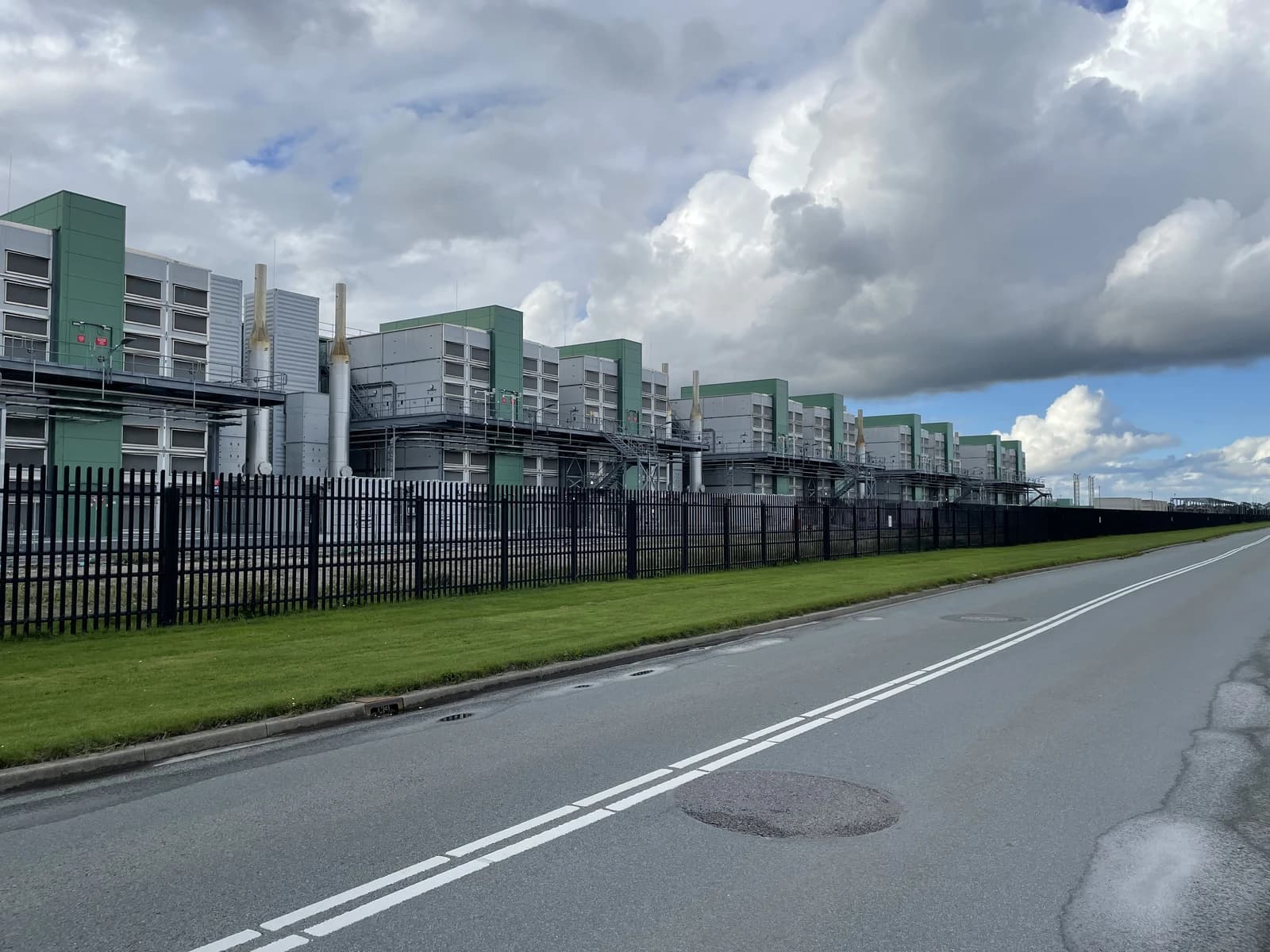
The buildout is anchored in Asia, where Taiwan remains the chip-manufacturing hub and China supplies a wider range of equipment, power infrastructure, computers and circuit boards used in data centers. The U.S. and Canada sit downstream as major buyers, with research, development and innovation concentrated in North America even as the physical construction of AI infrastructure depends heavily on imported goods.
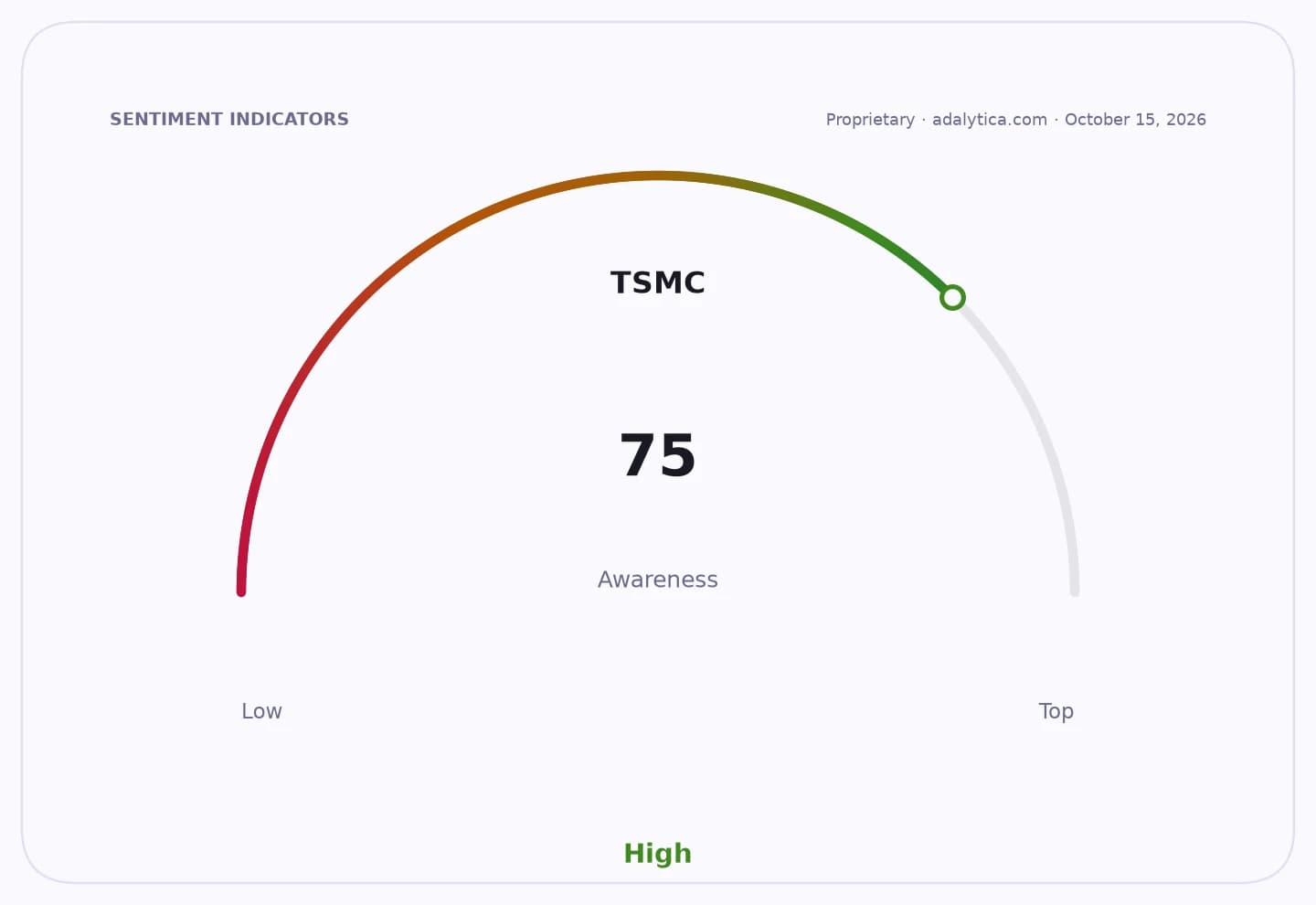
That dynamic is showing up in markets and corporate earnings. TSMC is expected to post a sixth straight quarter of record profit, with third-quarter net income projected to jump 65% to T$746.3 billion, while Samsung and ASML have also benefited from AI-driven demand. The same trade flow is helping explain why large data-center builders and chip suppliers keep pointing to supply constraints in semiconductors, networking gear and power systems.
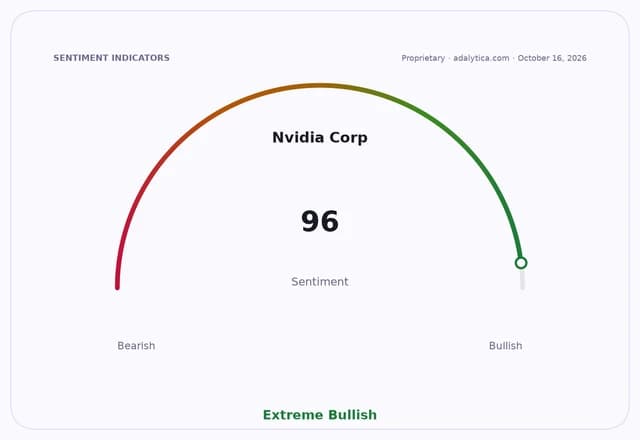
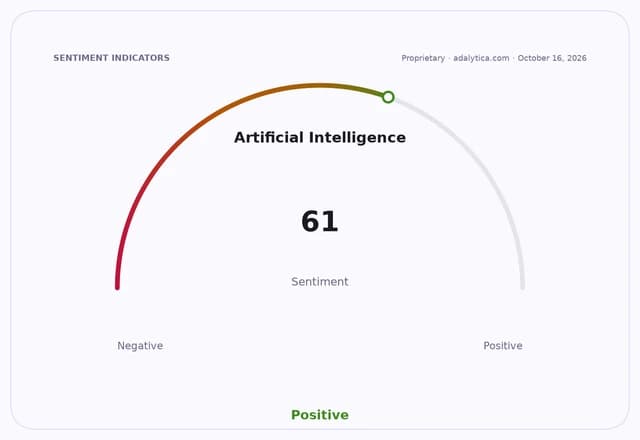
Artificial Intelligence vs NVDAadalytica.com
Explore this data interactively — full history, time series and cross-market comparisons.Open AlphaPulse
Energy costs are another pressure point. Rising fuel prices tied to the Iran war are lifting freight expenses, especially for air cargo, but Oxford Economics said demand is still strong enough that the higher costs have not become a material brake on shipments. The bigger longer-term risk, it said, is a more fractured trading system that could squeeze margins and slow the productivity gains AI is supposed to deliver.
For investors, the message is that AI capex remains a powerful earnings and trade tailwind for chipmakers, equipment suppliers, freight operators and Asian exporters, even if tariffs keep nibbling at costs. The next test will be whether order growth, export data and company guidance continue to validate the pace of spending — or whether supply bottlenecks, policy friction and financing strain finally start to slow the cycle.
| Entity | Gains | Losses |
|---|---|---|
| TSMC and Asian chipmakers | ▲Higher orders, record profits | ▼Exposure to trade frictions |
| U.S. hyperscalers and AI builders | ▲Faster access to AI hardware | ▼Higher import and freight costs |
| Freight and logistics providers | ▲Stronger cargo volumes | ▼Fuel-price pressure |
| Tariff-hit manufacturers | ▲Some domestic substitution | ▼Margin compression and delays |