Bosch’s new nationwide AI education program in Hungary is less a public-relations gesture than a workforce investment, aimed at securing the skilled labor the industrial group will need as automation and digital tools spread through manufacturing.
Bosch launches AI education program in Hungary
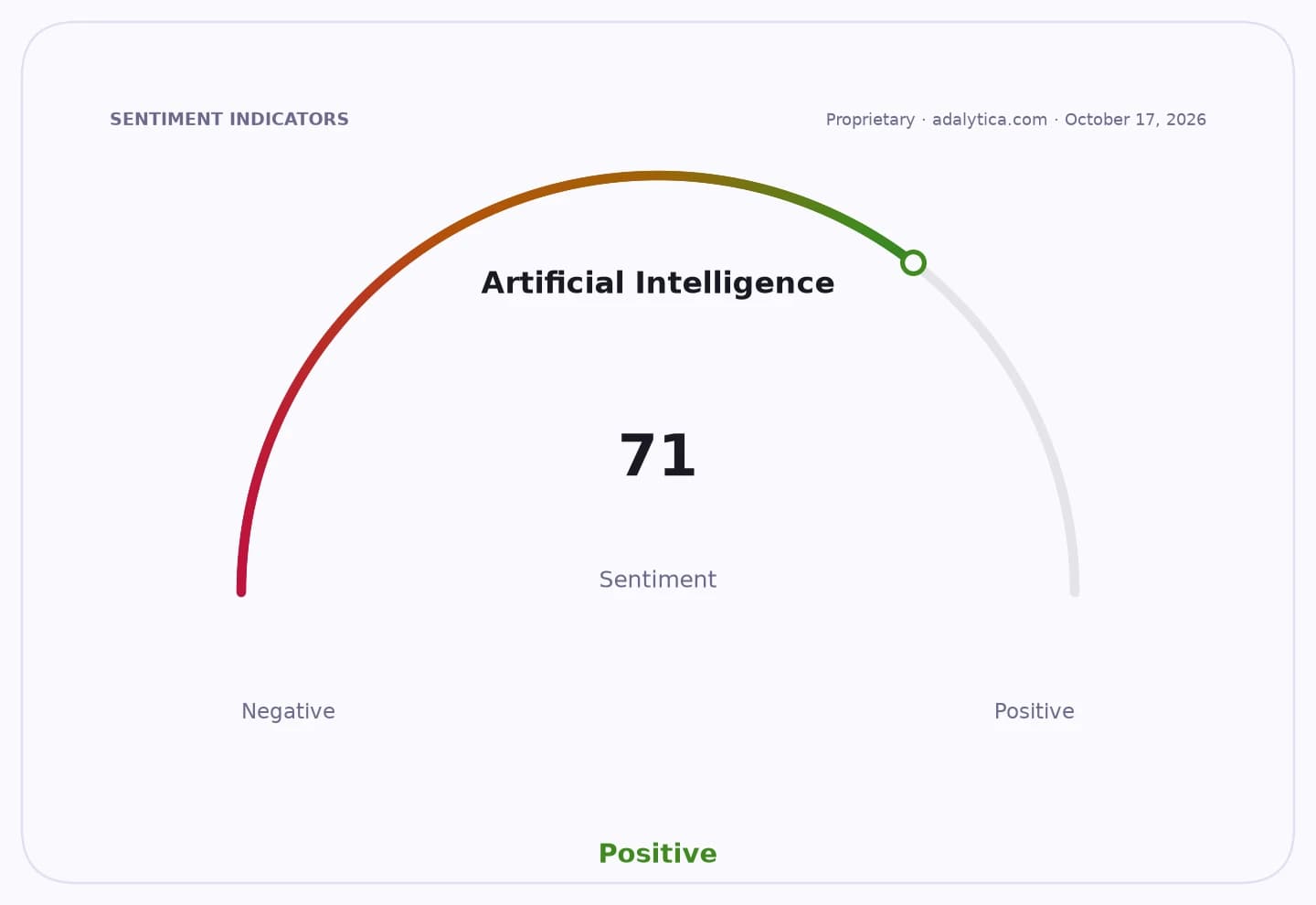
The initiative will reach about 800 students at 20 partner secondary schools this school year, giving Bosch a direct channel into the country’s future technical talent pool at a time when companies across Europe are struggling to find workers who can use artificial intelligence responsibly and productively. By starting early, Bosch is trying to shape how students think about AI before those habits are formed in universities or on the job.
That matters economically because AI adoption is no longer just a software issue. For manufacturers, it is increasingly a productivity issue, and ultimately a competitiveness issue. Firms that can teach workers how to use AI for content structuring, image and video production, and problem-solving can shorten training cycles, improve output quality and reduce the gap between fast-moving technology and slower-moving labor markets. Bosch is also explicitly framing the program around critical thinking, creativity and the limits of algorithms, a signal that employers are worried not only about digital literacy but also about overreliance on AI tools.
The company is using its own engineers and AI specialists to deliver the training, which suggests the program is meant to be practical rather than theoretical. Lessons will be updated continuously, reflecting how quickly AI tools and workplace expectations are changing. Bosch said students will be able to bring their own projects into the classroom, a structure that can make the curriculum more relevant to real industrial and technical applications.
Hungary is an apt test bed for the initiative. Bosch’s local group operates as a strategic network of 10 companies and employs more than 16,800 people in the country, making it one of Hungary’s largest foreign industrial employers. It generated 1.926 trillion forints, or 5.3 billion euros, in net sales in fiscal 2025, including 303 billion forints in revenue from third-party customers in the local market. That scale gives Bosch a clear incentive to deepen its domestic talent pipeline and reduce dependence on a labor market that is already tight in technical fields.
For investors, the significance lies in what the program says about the industrial side of the AI trade. Much of the market focus has been on chips, cloud computing and software, but manufacturers will also be judged on how quickly they convert AI enthusiasm into operational gains. Programs like Bosch’s are an early indicator of which companies are thinking about the full stack: technology deployment, worker training and long-term productivity. The upside case is that this improves retention, hiring and eventually output quality. The bear case is that education initiatives can take years to translate into measurable earnings benefits.
The broader narrative is that AI is moving from a specialist technology into a basic industrial competency. Bosch is trying to ensure that Hungarian schools produce workers who can use it as a tool rather than a substitute for judgment, and that is increasingly where the competitive edge will be won.
| Entity | Gains | Losses |
|---|---|---|
| Bosch Hungary | ▲future talent pipeline | ▼short-term cost of training |
| Students | ▲digital skills and employability | ▼less exposure to outdated curricula |
| Hungarian industry | ▲stronger AI-ready workforce | ▼firms slow to adapt |
| Competitors | ▲benchmark pressure | ▼talent gap if they lag |