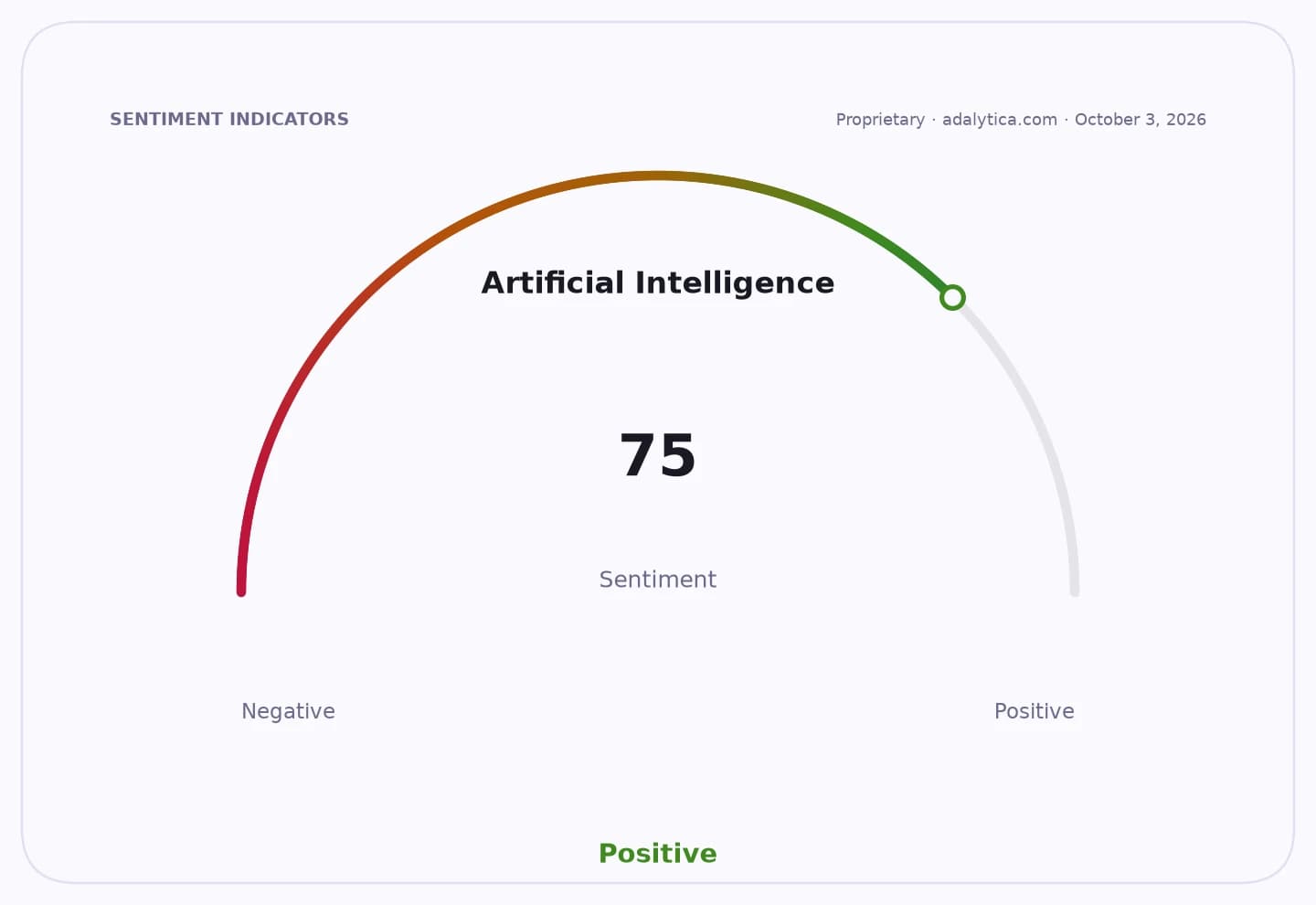
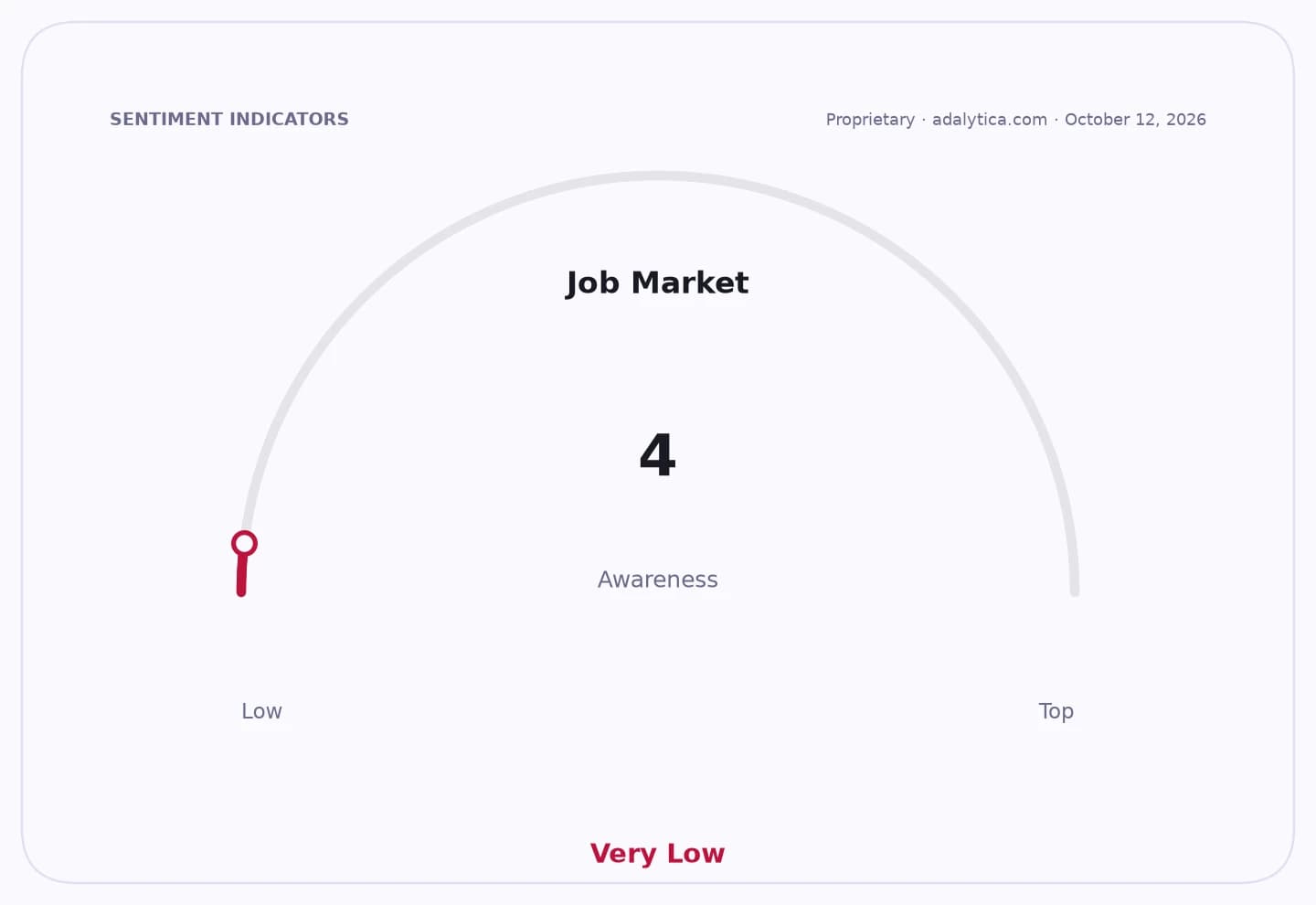
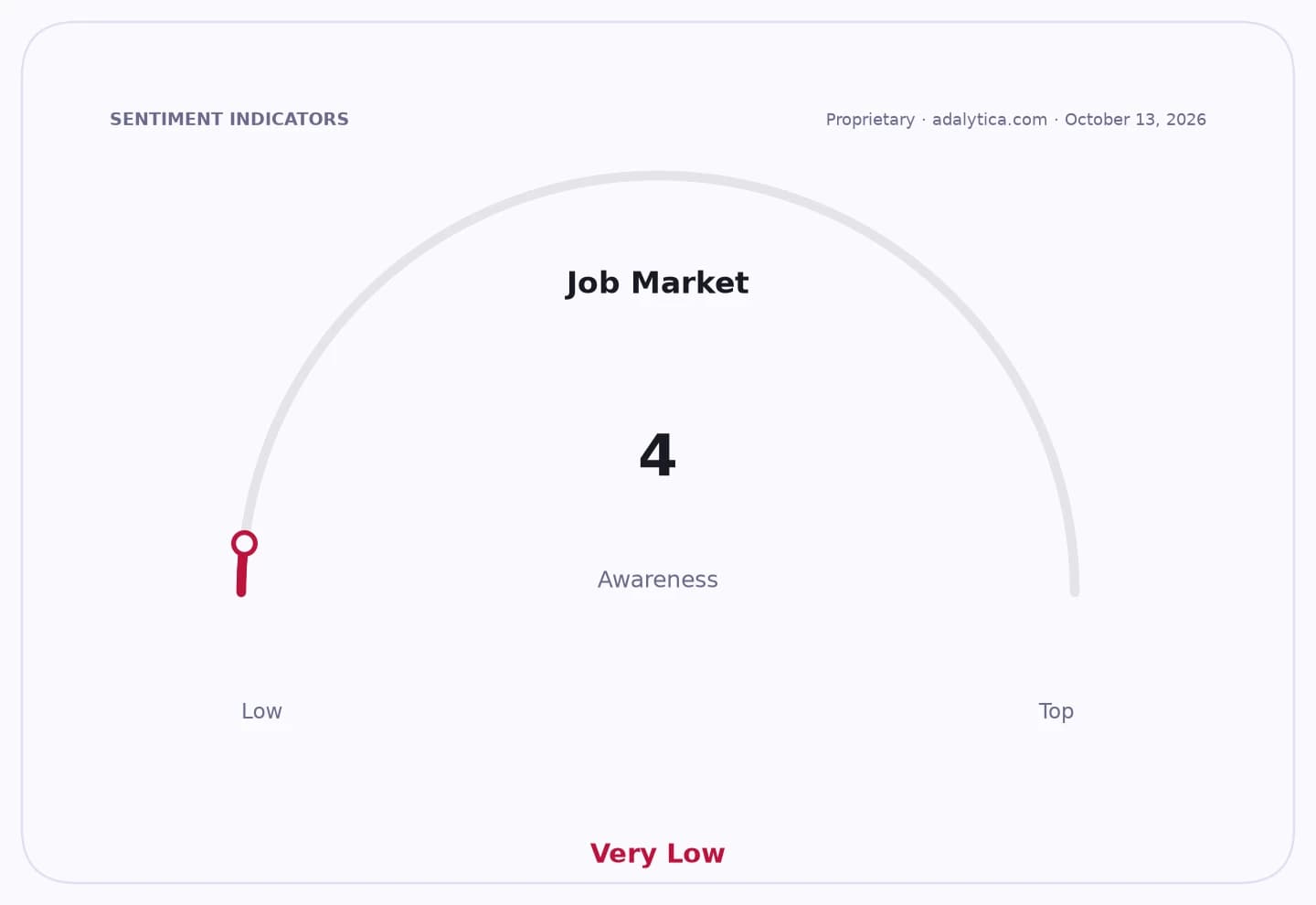
RIGA — The biggest change facing employers is no longer how to keep workers engaged, but how to hire, retrain and organize them for an AI-driven workplace, and that is the core message as HR Week Latvia opens in Riga.
HR Week Latvia Focuses on AI Hiring and Burnout
The two-day conference at ATTA Centre comes as companies across Europe are being pushed to rethink recruiting, burnout and productivity at the same time. That matters economically because labor is still the largest cost line for most businesses, and any shift in how firms source talent, manage performance and deploy automation can quickly filter into margins, hiring plans and wage pressure.
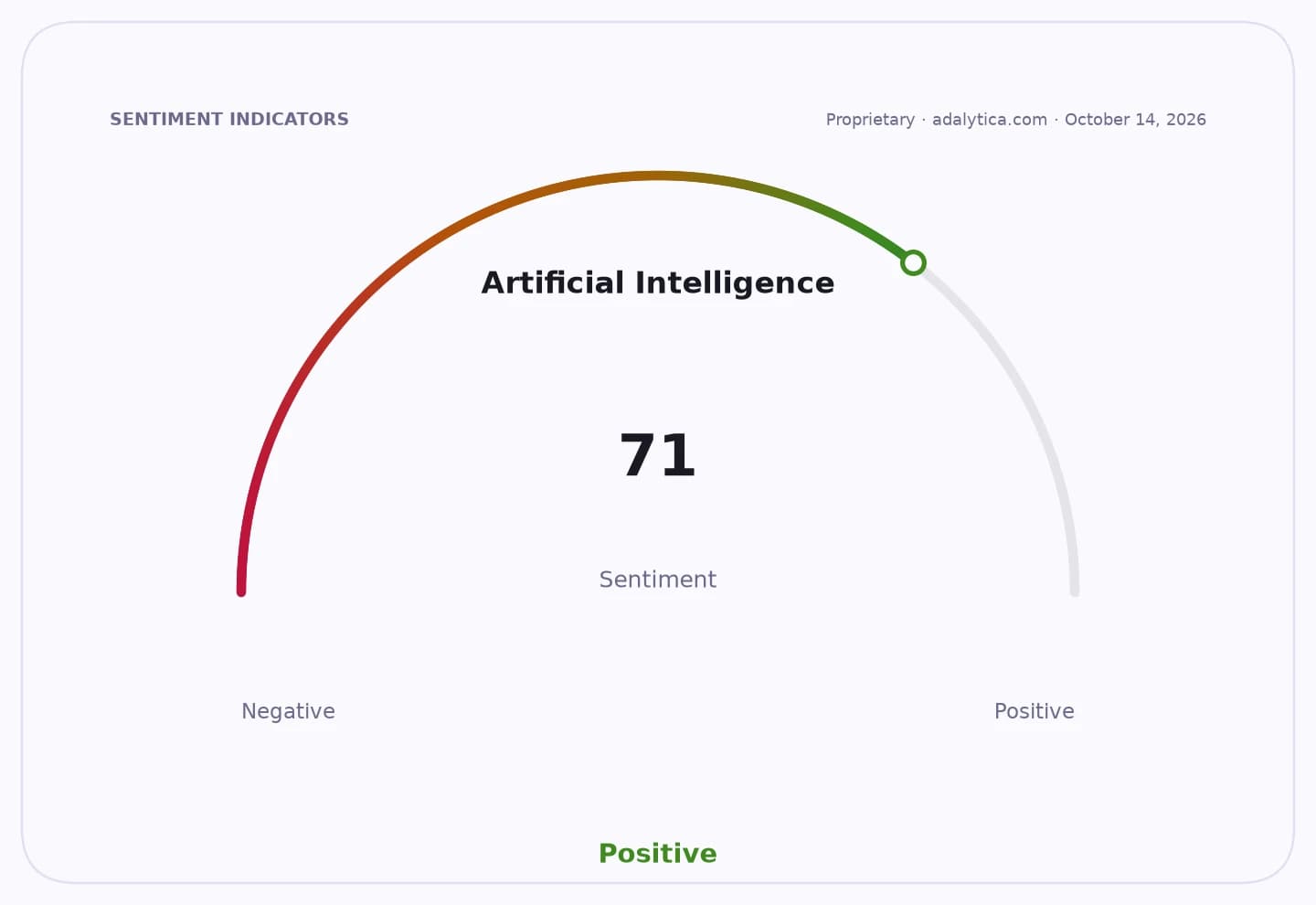
The event’s agenda puts that transition front and center. Speakers will focus on high performance without burnout, collective intelligence in teams, psychological flexibility and the role of trust and clear communication in management. But the most market-relevant theme is the one that cuts across all of it: artificial intelligence is no longer a distant HR topic, it is becoming a practical tool in selection, candidate targeting and workforce design.
That is where the investable narrative starts to sharpen. As recruiters and managers lean more heavily on digital tools and analytics, the winners are likely to be software providers, staffing platforms, HR technology vendors and firms that can sell automation into the hiring process. The losers are traditional manual workflows, slow screening models and companies that treat AI as a back-office experiment rather than a core operating system.
The conference reflects a broader corporate reality. Employers are under pressure to preserve output while preventing burnout, a problem that becomes more acute when organizations are trying to do more with flatter headcount. That is why the emphasis on focus, energy and psychological safety matters: companies cannot simply demand more from workers indefinitely, especially when AI is changing the mix of tasks rather than eliminating the need for human judgment.
For investors, the message is that labor efficiency is becoming a secular theme, not a cyclical one. The market is still underestimating how quickly AI will move from content generation and customer service into talent acquisition, performance management and workforce planning. Every step in that process creates a second-order opportunity for vendors that sit on the picks-and-shovels side of corporate restructuring.
The Riga conference is also a reminder that the AI trade is broadening. It is not only about chips and cloud infrastructure anymore. The next leg includes the tools that help companies find people, measure them, train them and keep them productive. That shift could favor HR software, enterprise workflow automation and firms positioned around compliance, analytics and employee experience.
If management teams take the lessons of HR Week Latvia seriously, the near-term result should be more selective hiring and faster adoption of decision tools. Over time, that can translate into leaner operating models, lower recruiting friction and better capital allocation. For investors, the opportunity is to own the infrastructure around that change before it becomes obvious to the wider market.
| Entity | Gains | Losses |
|---|---|---|
| AI-powered HR software vendors | ▲More adoption | ▼Manual hiring workflows |
| Staffing firms with analytics tools | ▲Faster placements | ▼Legacy recruiters |
| Employers that automate recruitment | ▲Lower labor friction | ▼Slow-moving competitors |
| Workers in repetitive office roles | ▲New upskilling paths | ▼Routine tasks at risk |