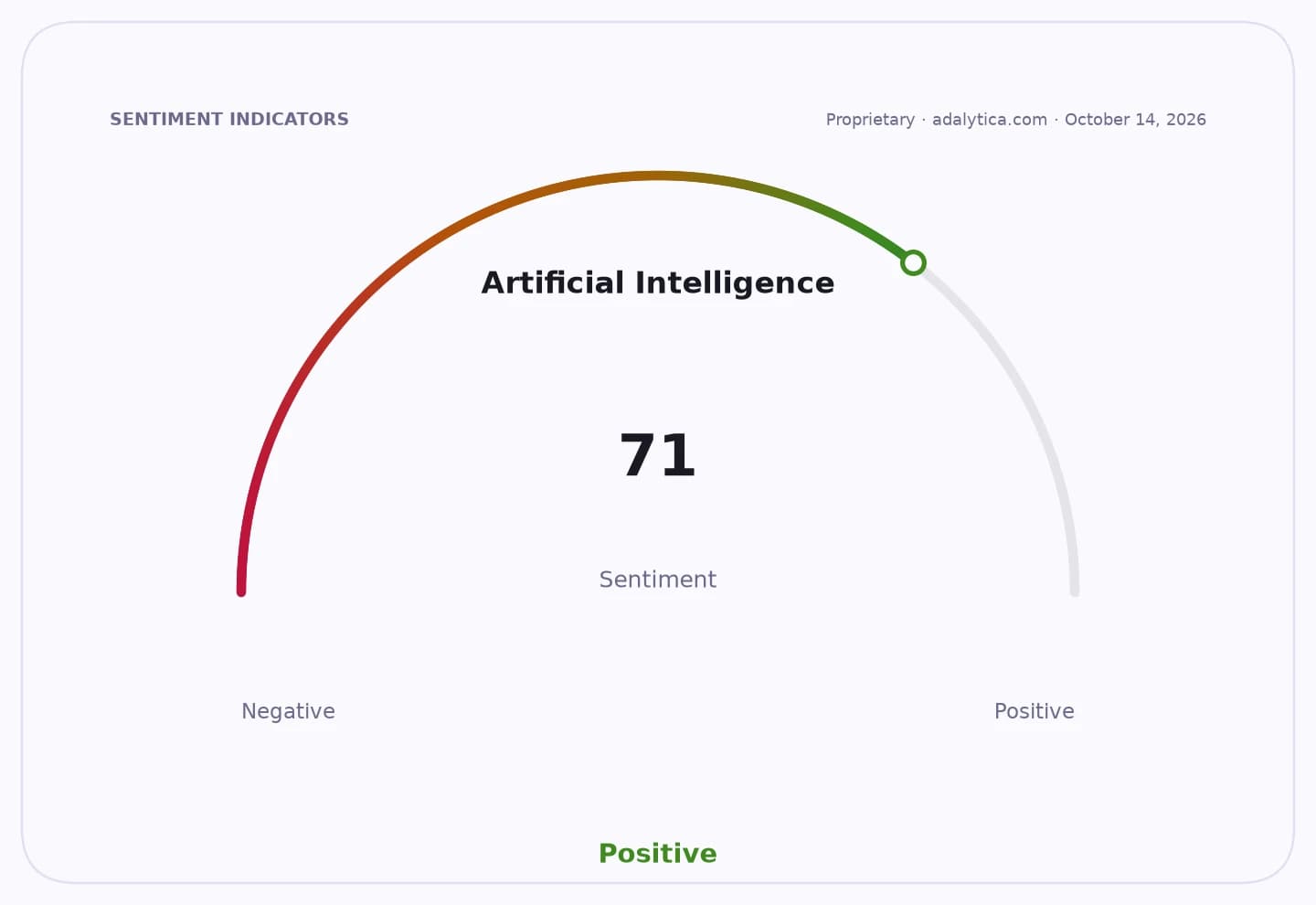
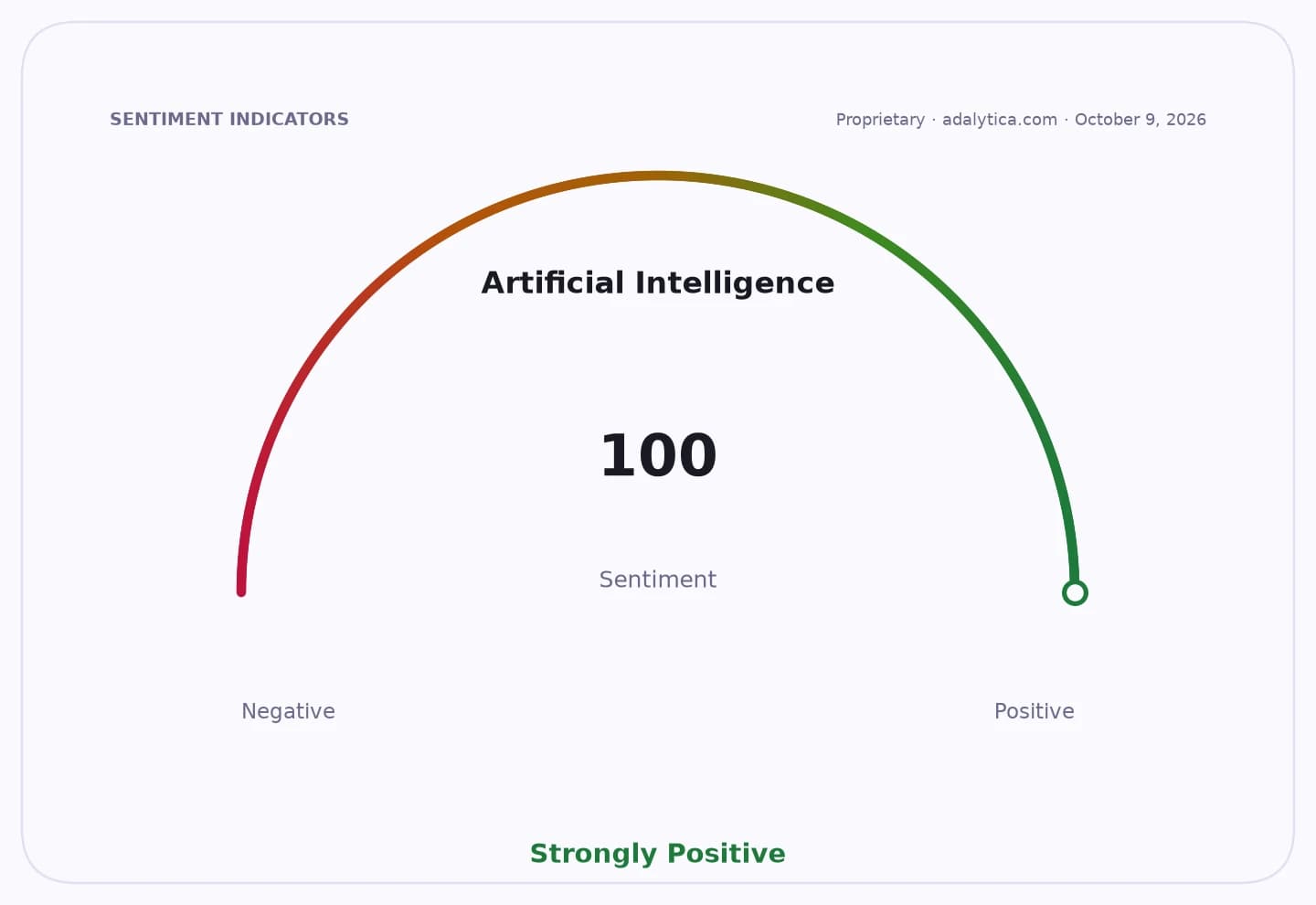
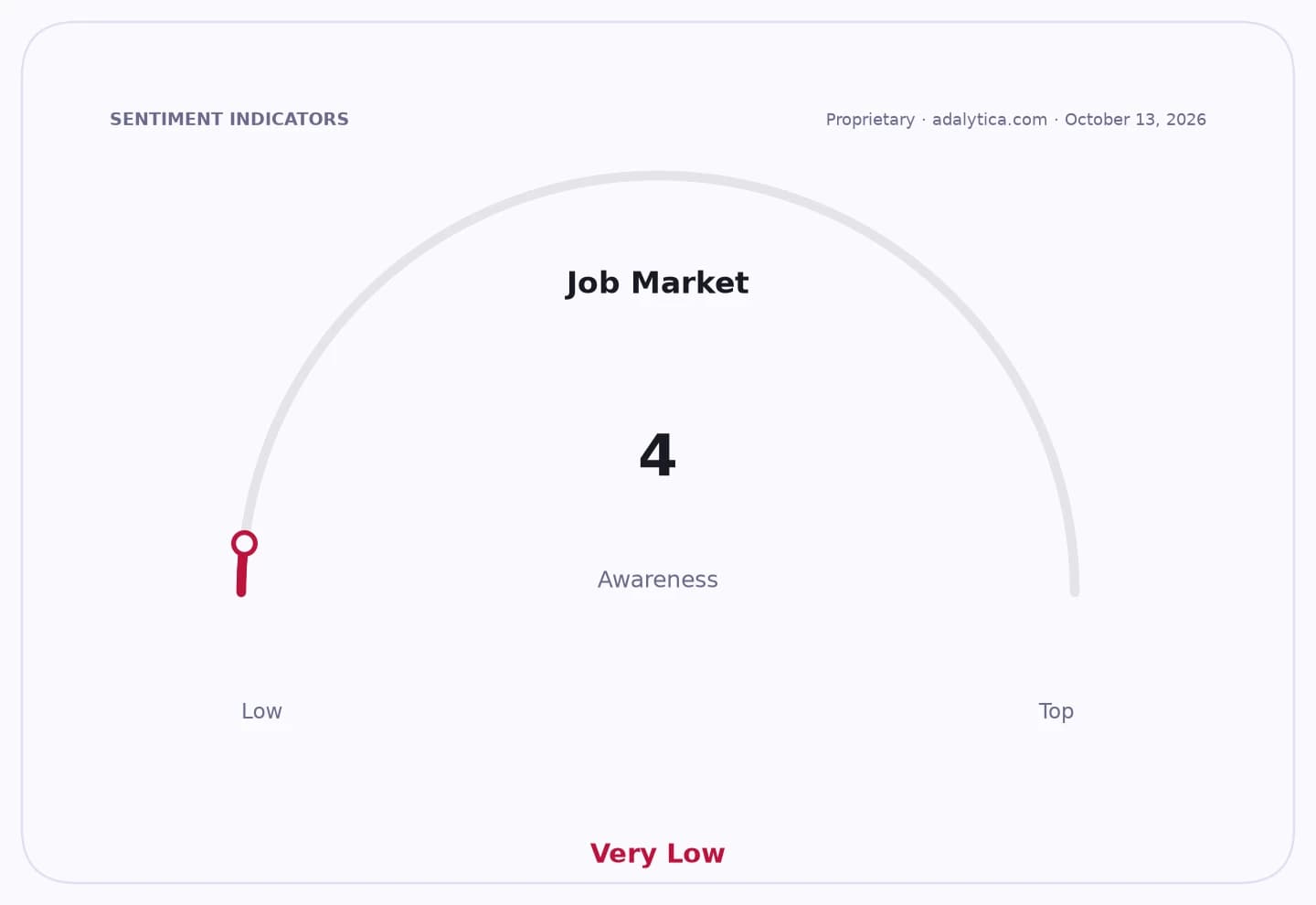
Paylocity’s latest survey says the AI opportunity in human resources is not about replacing people — it is about preventing expensive mistakes, improving visibility into headcount and pay, and keeping sensitive employee data locked down.
Paylocity survey highlights AI demand in HR software
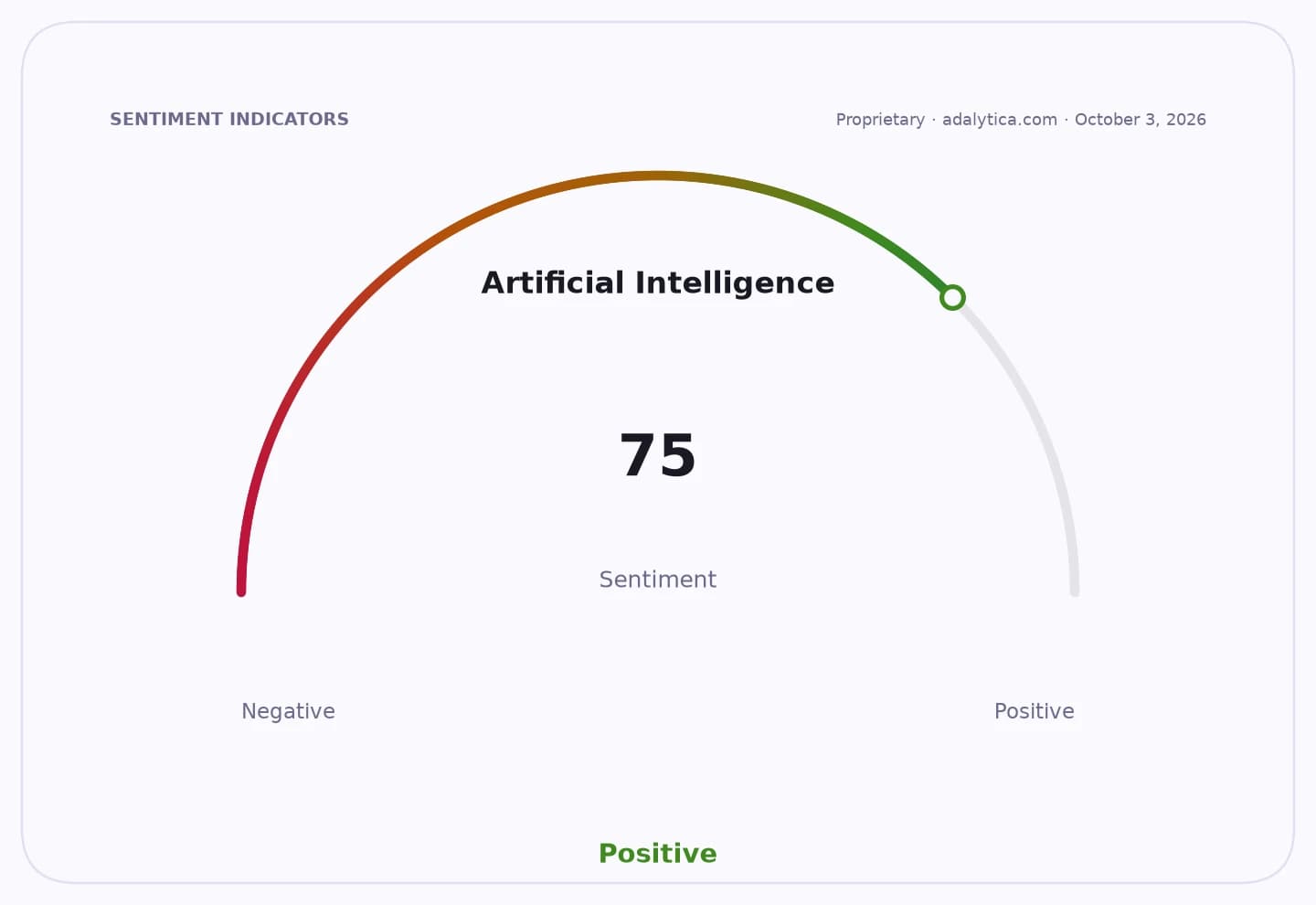
That matters because HR software is becoming a proving ground for enterprise AI, and the winners will be the platforms that solve the most mundane but financially painful problems first. Payroll errors hit trust, compliance and operating costs at the same time, while poor visibility into workforce planning can leave companies overstaffed, understaffed or blind to turnover risk. In other words, the next wave of AI adoption in HR will be judged on accuracy and control, not novelty.
The survey of 501 U.S. HR, finance and IT leaders found 88% believe AI can help teams focus on higher-value work, but the real demand is far more practical. Forty-two percent want AI that can flag payroll irregularities early, and 35% said predictive analytics and workforce planning are the biggest missing capability in current HR systems. Nearly one-third cited limited internal expertise as a barrier, underscoring that enterprise buyers want tools that work inside existing workflows rather than requiring a data science team to operate them.
Security is the other forcing function. Nearly half of respondents said data security and privacy are the top obstacle to AI adoption, while two-thirds said they are cautious about privacy implications in HR processes. That is a meaningful message for investors because HR data is among the most sensitive information companies hold, and any AI layer that pushes that data into third-party tools will face resistance from buyers and compliance teams.
For Paylocity, ADP and Paycom, the market is effectively rewarding a shift toward embedded, practical AI that lowers friction and reduces manual work. Paylocity has already described its platform as one that embeds AI directly into everyday workflows, and ADP has been pitching purpose-built AI tools that preserve human oversight in pay and compliance. That positioning matters because the buying criteria in HR software are becoming clearer: leaders want reliability, usability and security first, with automation coming second.
The investment takeaway is straightforward. The market underestimates how much value sits in AI that quietly prevents payroll mistakes and improves workforce planning inside mission-critical systems. The best long-term winners in HR tech will not be the loudest AI storytellers, but the platforms that become the default operating layer for pay, compliance and employee data.
| Entity | Gains | Losses |
|---|---|---|
| Paylocity | ▲Better AI credibility | ▼Buyers focused on security |
| ADP | ▲Embedded AI pitch | ▼Generic AI vendors |
| Paycom | ▲Workflow-based automation | ▼Complex standalone tools |
| HR buyers | ▲Fewer payroll errors | ▼Manual review burden |