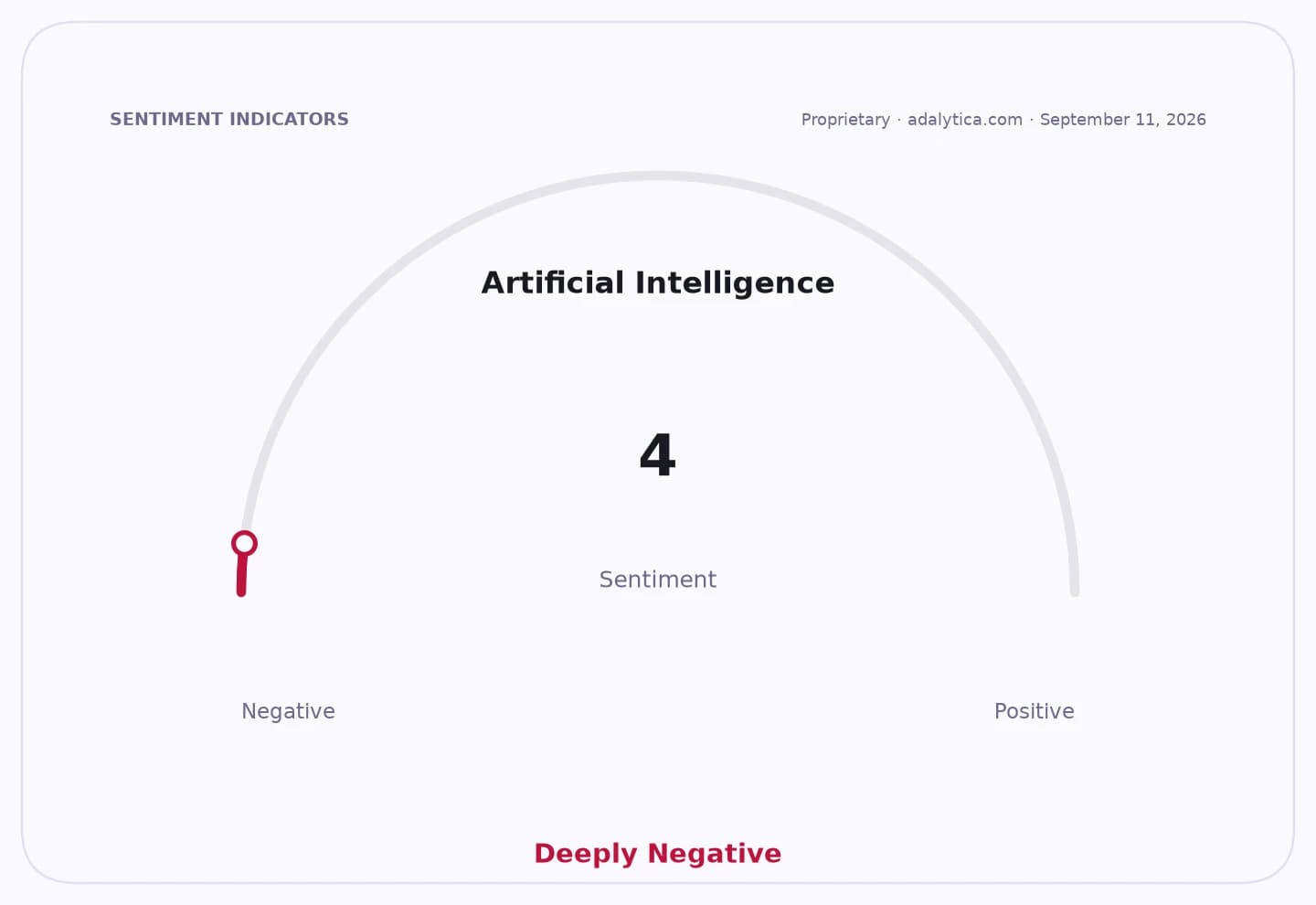
Heilbronn’s immigration office is testing artificial intelligence to speed up routine administrative work, a small but economically relevant sign that Germany is moving to automate one of its most labour-intensive public services at a time when shortages, backlogs and pressure on municipalities are mounting.
Heilbronn Immigration Office Tests AI for Processing
The significance goes beyond one local authority. Immigration offices sit at the front line of Germany’s labour-market and population policy, processing permits for workers, students and families that businesses increasingly need in order to fill vacancies. If AI can reduce document-checking, triage incoming cases or help staff handle repetitive queries, municipalities could improve throughput without adding as many employees — a meaningful issue in a country where the public sector is struggling to recruit and retain workers.
That matters for investors because digitalization in government can ripple into the broader economy. Faster immigration processing can support hiring in manufacturing, healthcare and technology, where employers have complained that administrative delays slow onboarding. It also creates a clearer market for software vendors, systems integrators and AI providers selling workflow automation, document processing and language tools to public agencies. Microsoft, Nvidia and smaller AI software names such as C3.ai all trade in a market increasingly sensitive to whether public-sector adoption can turn AI from a narrative into recurring spend.
The stock backdrop shows how much is already priced into that theme. Microsoft has recovered sharply from its mid-year slump and closed at $535.07 on Oct. 9, above its 50-day and 200-day moving averages, with an RSI reading of 72.3 that points to an overbought short-term setup. Nvidia finished at $229.28, also above both key moving averages, while C3.ai ended at $11.53, with the shares stabilizing after a long drawdown but still well below levels associated with the earlier AI enthusiasm. In other words, investors are already betting that AI demand will broaden beyond hyperscalers and into practical deployments — the question is whether public-sector pilots become scalable contracts.
The bull case is that Germany’s bureaucracy has long been a drag on competitiveness, and local AI projects could become templates for wider use across federal, state and municipal agencies. That would help software and infrastructure suppliers that can prove compliance, data security and measurable productivity gains. The bear case is more familiar: pilot programs often stall in procurement, labor-union resistance and data-protection reviews, while public agencies may struggle to integrate new tools into legacy systems.
Still, the Heilbronn test fits a larger European pattern in which governments are under pressure to do more with less. For investors, the key catalyst is not the pilot itself but whether it leads to repeatable spending across cities, ministries and border authorities. If it does, AI adoption would stop being just a private-sector margin story and start becoming a public-sector efficiency trade with real budget consequences.
| Entity | Gains | Losses |
|---|---|---|
| Heilbronn immigration office | ▲Faster processing | ▼Manual workload |
| AI software vendors | ▲New public contracts | ▼Slow procurement cycles |
| Employers needing visas | ▲Quicker hiring | ▼Administrative delays |
| Municipal budgets | ▲Lower staffing pressure | ▼Upfront integration costs |