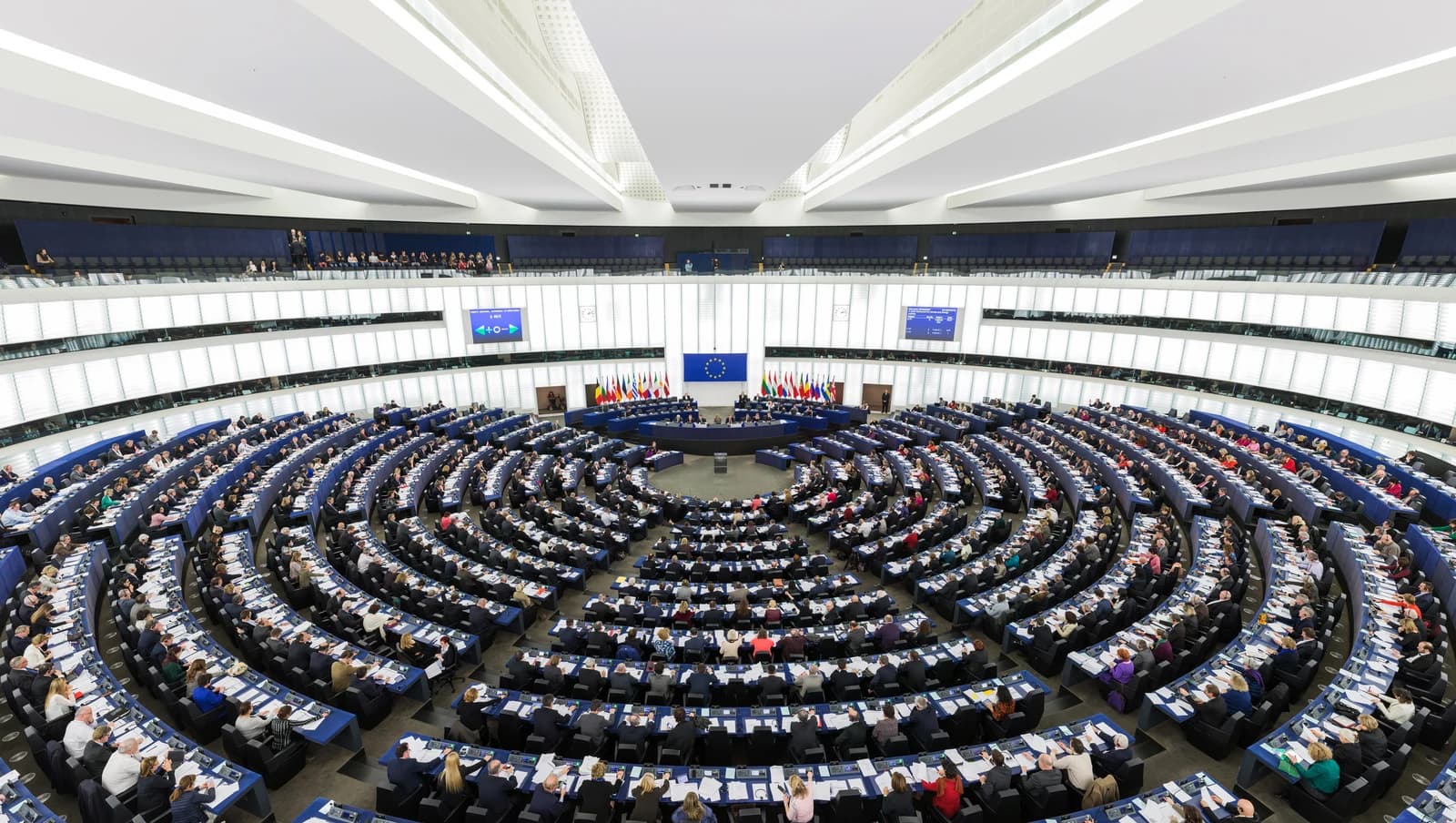
Norway’s push to tighten artificial-intelligence oversight has been undermined by a political embarrassment: media reports say draft laws meant to protect citizens from AI may themselves have been written with AI.
Norway AI Drafting Report Raises Regulation Concerns

That matters because the episode captures the central problem for governments now racing to regulate generative models — the policy response is expanding just as lawmakers struggle to understand, verify and police the technology they want to contain. For investors, that means AI regulation is no longer just a compliance headline. It is becoming a real operating risk for the big platforms, chipmakers and model providers that are spending tens of billions of dollars to keep the AI boom moving.

Aftenposten reported that it examined 325 parliamentary bills submitted between Oct. 1, 2025 and Aug. 30, 2026, finding AI-generated text in 112 of them and concluding that five were prepared entirely by artificial intelligence. Bills said to have been fully AI-written included a Liberal Party request to examine Norway’s EU membership terms and a Socialist Left Party proposal to protect creators’ copyright from AI, underscoring how quickly the technology has spread from the private sector into the legislative process itself.
The irony is politically damaging, but the economic signal is bigger. If lawmakers are already leaning on AI to draft restrictions on AI, the risk is that future rules will be rushed, inconsistent or overly broad. That creates a more uncertain operating environment for companies such as Microsoft, Nvidia and Alphabet, all of which have flagged in filings that AI laws, model-testing requirements, cross-border limits and content rules could raise costs, constrain deployment or trigger litigation and reputational harm.
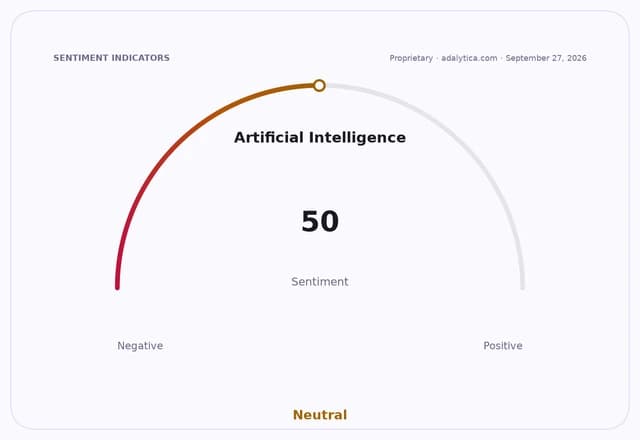
The market has mostly treated AI regulation as a background issue compared with capex, model adoption and earnings. That is too complacent. The next leg of the AI trade will not be driven only by better models and faster chips; it will also be shaped by who can navigate compliance, auditing and sovereignty rules at scale. That favors the largest incumbents, which can absorb legal overhead and meet documentation demands, and it disadvantages smaller model developers that may lack the balance sheet to survive a fragmented regulatory regime.
Norway’s prime minister Jonas Gahr Stoere and Finland’s president Alexander Stubb on Monday called for international controls on the most advanced AI models, including mandatory pre-deployment testing and independent verification. That is exactly the kind of framework that can harden into real-world costs: more testing, more reporting, slower launches and a larger market for governance software, model evaluation tools and enterprise AI security.
That is why the Aftenposten report matters beyond Norwegian politics. It shows that AI regulation is becoming a self-referential system — governments are using the technology even as they try to box it in. For investors, the opportunity is not to fear regulation blindly, but to position for the infrastructure and compliance layers that profit from it. The winners are the firms with scale, control and regulatory muscle. The losers are undisciplined AI vendors and any business model that depends on frictionless deployment.
| Entity | Gains | Losses |
|---|---|---|
| Microsoft, Nvidia, Alphabet | ▲Scale advantage in compliance | ▼Higher legal and operating costs |
| AI governance and testing vendors | ▲More demand for verification tools | ▼None meaningfully |
| Smaller AI model startups | ▲Faster policy clarity, if any | ▼Slower launches and tougher barriers |
| Norwegian lawmakers | ▲Political urgency on AI | ▼Credibility after AI drafting report |