Canva London AI showcase disrupted by protester
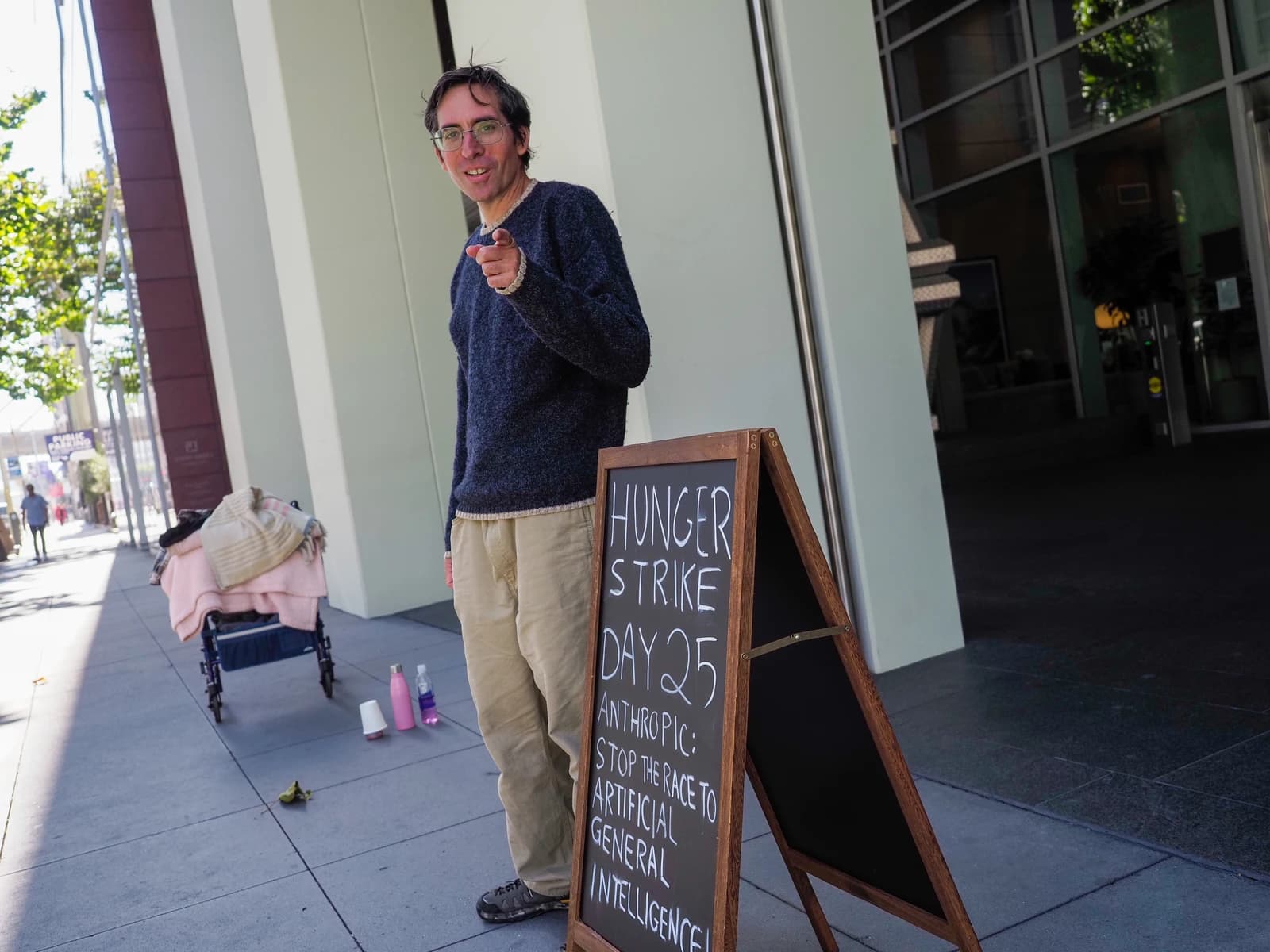
A protester briefly hijacked Canva’s London AI showcase, turning a product-stage moment into a reminder that the backlash against artificial intelligence is no longer just a policy debate — it is now a live reputational risk for the companies trying to commercialize it.
That matters because the next phase of the AI boom is not just about model quality or feature counts. It is about trust, adoption and whether businesses and consumers believe the technology is being rolled out responsibly. For Canva, which has leaned heavily into AI tools to keep its design platform sticky and relevant, the disruption underscored how quickly public resistance can spill from the margins into mainstream corporate events.
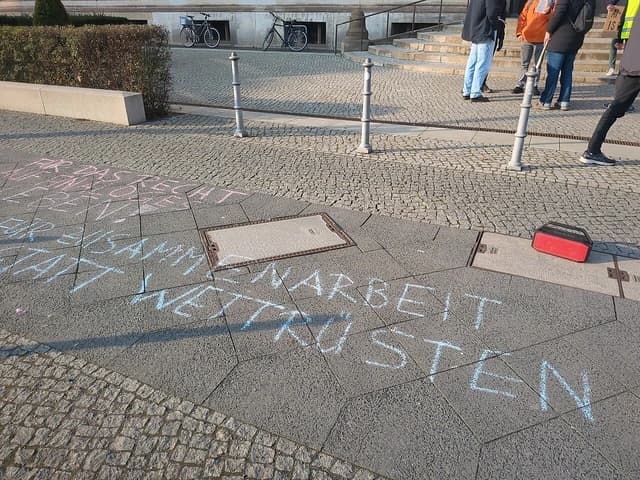
The protester’s comments, including a swipe at the “male leaders” driving the AI race, tapped into a broader anxiety that has been building around the sector: fears over safety, ethics, labor displacement and a concentration of power among a small group of technology firms. That unease is already showing up in politics and regulation, from the EU’s AI Act to wider scrutiny of how AI systems are trained, deployed and governed.
For investors, the incident is a useful reminder that AI is still a secular growth story, but not a frictionless one. The companies most exposed to AI will likely need to spend more on compliance, product safeguards and public messaging as they push the technology into everyday workflows. That can pressure margins in the near term, even as it supports longer-term adoption if the products prove useful enough.
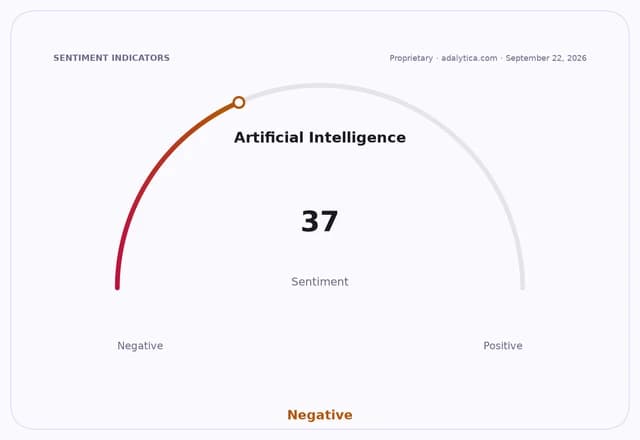
The bigger investment lesson is that backlash rarely kills a major platform shift, but it can slow the path to monetization and raise the cost of doing business. That is especially true for consumer-facing tools like Canva, where brand trust is part of the moat. Investors should watch which companies can combine innovation with transparency and governance, because those are the names most likely to keep growing as AI moves from hype to habit.
In the meantime, protests like this one are likely to keep AI in the headlines — and to keep pressure on developers to show that the technology can be powerful, profitable and defensible at the same time. For long-term investors, that makes the sector worth watching, not avoiding.
| Entity | Gains | Losses |
|---|---|---|
| AI critics | ▲Visibility | ▼None |
| Canva | ▲Attention to governance | ▼Event control |
| AI developers | ▲Pressure to improve safeguards | ▼Easy public narrative |
| Long-term investors in responsible AI | ▲Better risk awareness | ▼Short-term volatility |