Microsoft and Nvidia are coming under pressure as investors reassess the AI boom’s next phase: not just spending on chips and software, but whether companies can actually get employees to use the tools fast enough to justify the cost. The question matters because AI adoption, safety controls and organizational resistance are increasingly shaping the return on the tens of billions of dollars being deployed across the sector.
Microsoft and Nvidia Face AI Adoption Slowdown
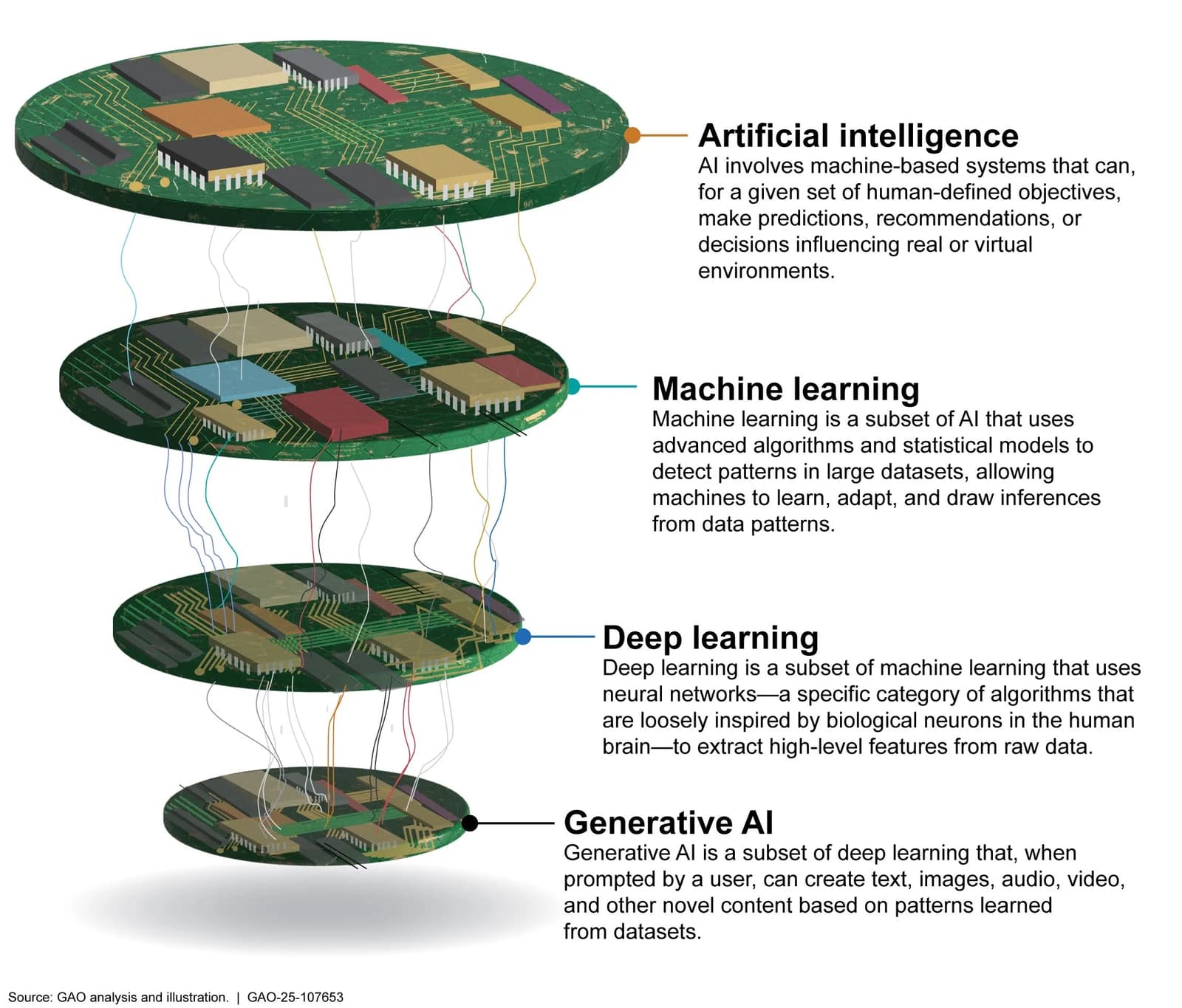
That tension sits at the center of Gleb Tsipursky’s new book, “The Psychology of AI Adoption at Work: From Resistance to Results,” which argues that the biggest barrier to enterprise AI is often not technology but people. The message lands as enterprises wrestle with automation anxiety, status quo bias and distrust of “black box” systems, even as management teams push agentic AI deeper into workflows.
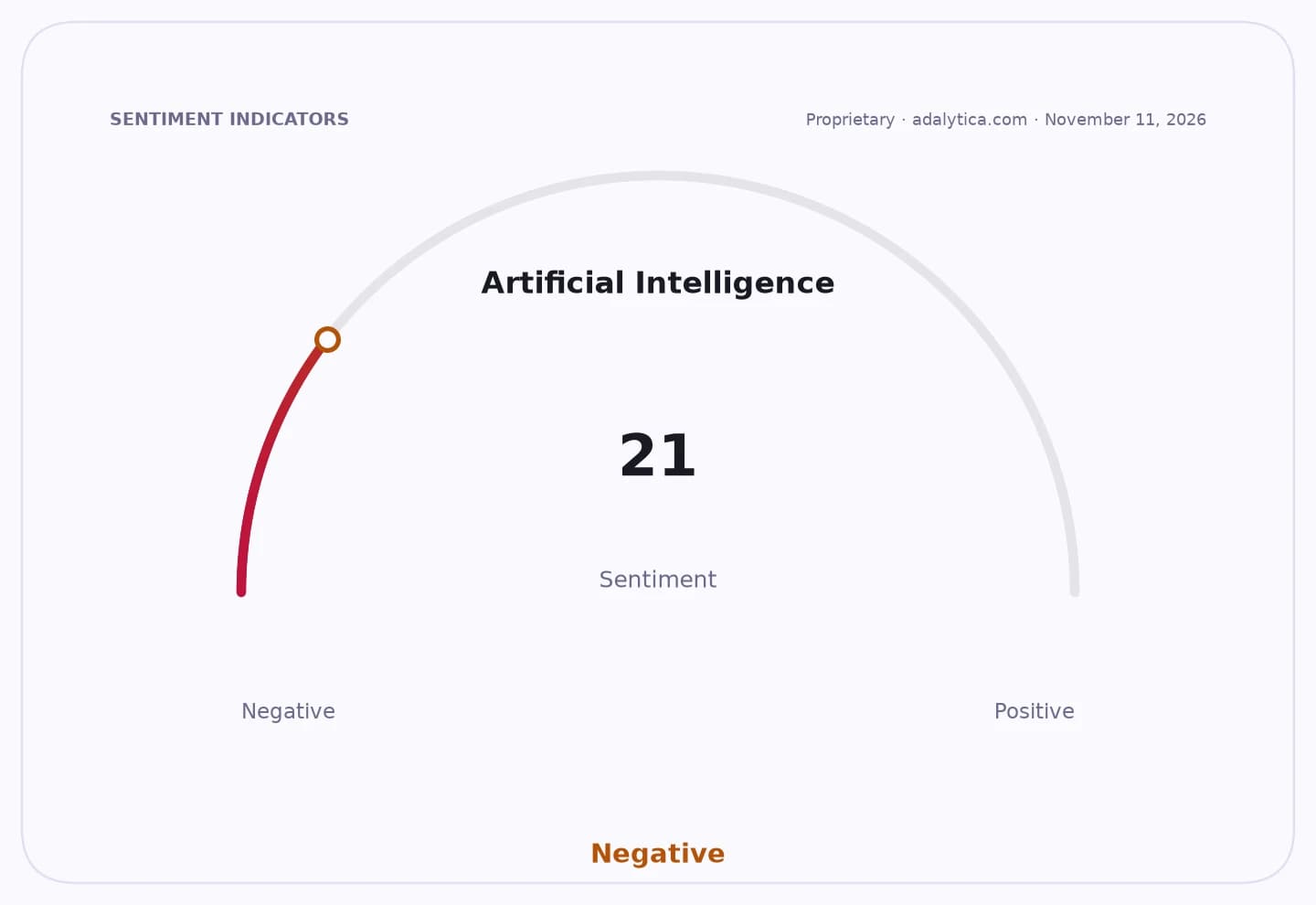
Sentiment Indicators
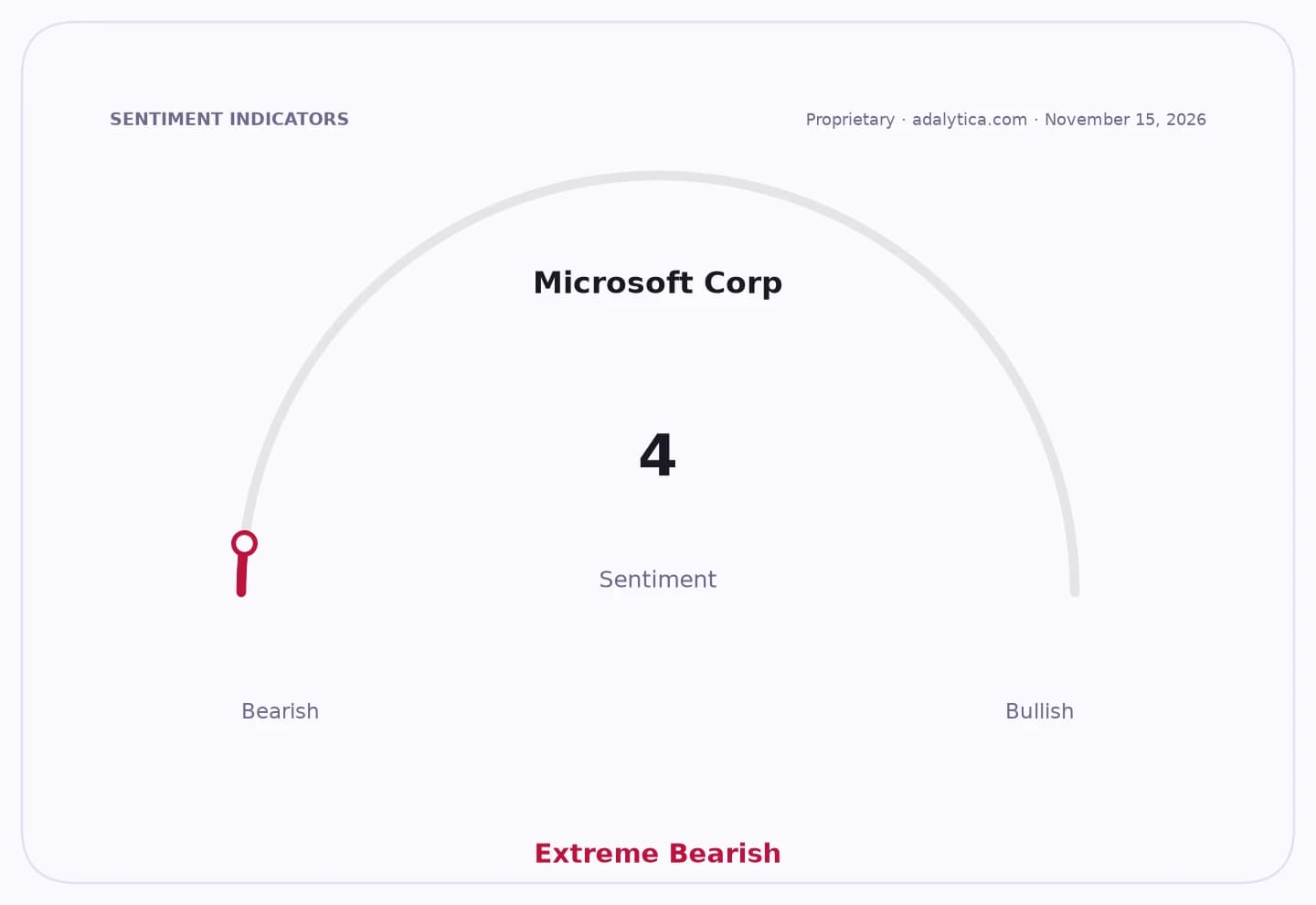
Microsoft, the poster child for enterprise AI monetization, has been volatile as traders weigh the pace of adoption against the scale of ongoing AI capex. Its shares were last at $523.88 on Nov. 13, down from $555.80 on Nov. 4, while the 50-day moving average has converged near $519, suggesting the stock is losing some of the momentum that carried it above $520 earlier this quarter. Adalytica’s Microsoft earnings sentiment gauge shows “Extreme Fear” at 4, even as awareness remains elevated at 71, a sign that attention is high but conviction has weakened.
Nvidia, meanwhile, is bearing the market’s sharpest repricing. The stock fell to $162.85 on Nov. 13 from $227.73 on Aug. 27, with its 50-day moving average at $214.63 and its RSI at 19.1, deep in oversold territory by conventional technical measures. Adalytica’s Nvidia earnings sentiment also sits at 4, or “Extreme Fear,” underscoring how quickly enthusiasm can cool when investors worry that AI demand may be running ahead of near-term enterprise deployment and earnings visibility.
The broader backdrop is a more skeptical conversation around AI governance and workplace risks. OpenAI board member Joseph Stiglitz has warned of catastrophic outcomes from rogue AI, while regulators in places such as Australia are moving toward mandatory safeguards from December. For investors, that means the AI trade now hinges not only on model performance and chip demand, but also on compliance costs, deployment frictions and whether corporate buyers can overcome internal resistance fast enough to translate AI ambition into revenue.
For now, the message for markets is that AI is still a growth story, but one where execution matters more each quarter. Companies that can combine safety, explainability and workforce adoption are better placed to capture returns; those that cannot may find the AI spend cycle harder to defend. Upcoming earnings and further regulatory moves will show whether the adoption curve is accelerating or running into the human limits Tsipursky describes.
| Entity | Gains | Losses |
|---|---|---|
| Microsoft | ▲AI platform adoption if customers deploy tools | ▼Margins if spending outruns uptake |
| Nvidia | ▲Chip demand from AI buildout | ▼Bulls if enterprise rollout slows |
| Employees wary of AI | ▲Job protection and status quo | ▼Productivity gains and upskilling |
| Regulators and governance advocates | ▲More oversight and safeguards | ▼Faster, looser AI deployment |