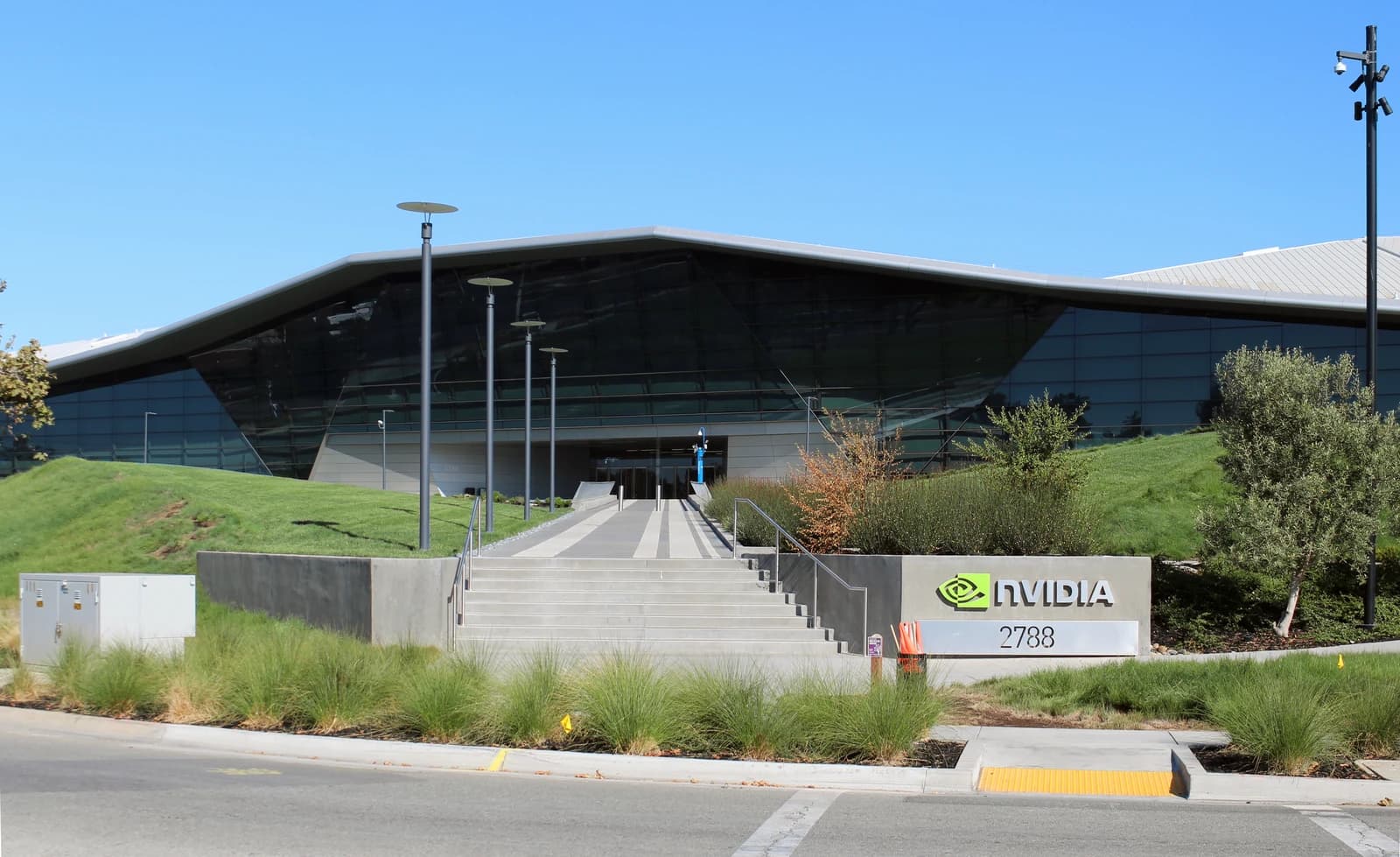
AI investors are being pushed back toward two camps at once: Nvidia, which still supplies the computing backbone of the boom, and the application companies that are now proving AI can produce revenue, profits and government demand.
Nvidia, Palantir Split AI Trade as Monetization Gains

That split matters because the trade has started to move from pure infrastructure enthusiasm to evidence of monetization. Palantir’s strong quarterly results, powered by AI software demand from customers including the Pentagon, reinforced the case that the next phase of the cycle is not just about chips, but about whether enterprises and governments will keep paying for software built on top of them.
Sentiment Indicators

Nvidia shares have reflected that tension. The stock closed at $186.64 on Nov. 6, up from $181.60 the previous day, but remains well below its 50-day moving average of $219.77 and has dropped sharply from $235.20 in mid-May. The decline has pushed the stock to a relative strength index of 29.6, a level traders typically associate with heavy selling pressure, while Adalytica’s NVIDIA Earnings Sentiment gauge sits at 4 out of 100, or “Extreme Fear.”
Software names have not been spared. Shares of the AI ticker, widely used as a proxy for the application layer, ended Nov. 6 at $11.69, above the 200-day moving average of $10.01 and near the 50-day average of $11.22, but still far from the stronger momentum that carried the stock above $12 in October. Adalytica’s AI sentiment gauge also reads 4, suggesting investors remain highly cautious even as the business case for AI software improves.
Nvidia Corp
The narrative behind the move is straightforward: the market wants proof that AI spending turns into cash flow, not just capital expenditures. Nvidia remains central because every major AI deployment still depends on its hardware, but the newest evidence is that buyers are also willing to spend on applications that help extract value from those chips.
That makes earnings from both layers more important. For Nvidia, investors will watch whether demand remains strong enough to justify the scale of AI infrastructure spending. For application stocks, the key question is whether customer adoption can translate into sustained revenue growth rather than one-off enthusiasm.
For now, the trade is splitting into winners and laggards. Chipmakers still anchor the buildout, but software companies with measurable AI adoption are gaining credibility, while investors are demanding more proof from the rest of the sector. The next catalyst is likely to come from upcoming earnings and any further signs that enterprises, governments and cloud buyers are turning AI usage into durable spending.
| Entity | Gains | Losses |
|---|---|---|
| Nvidia | ▲Remains core AI hardware supplier | ▼Faces valuation compression |
| AI application stocks | ▲Gains from proven AI monetization | ▼Must show durable revenue growth |
| Enterprise and government buyers | ▲Better AI productivity tools | ▼Higher software and compute costs |
| Short-term AI bulls | ▲Selective winners in software | ▼Broad momentum trade faces skepticism |