Free AI-powered image-editing tools are being used as a lure for phone theft and money theft, and that is becoming another reminder that the AI boom has a trust problem as well as a growth story.
AI Scam Risks for Adobe, Microsoft, Meta
Russian prosecutors said scammers are disguising malicious software as free AI services for choosing haircuts, hairstyles and makeup, then tricking users into downloading an app that gives criminals remote access to smartphones. Once installed, the malware can be used to steal money, prompting officials to warn people to stick to official services, avoid suspicious links and never share SMS codes, passwords or bank-card details.
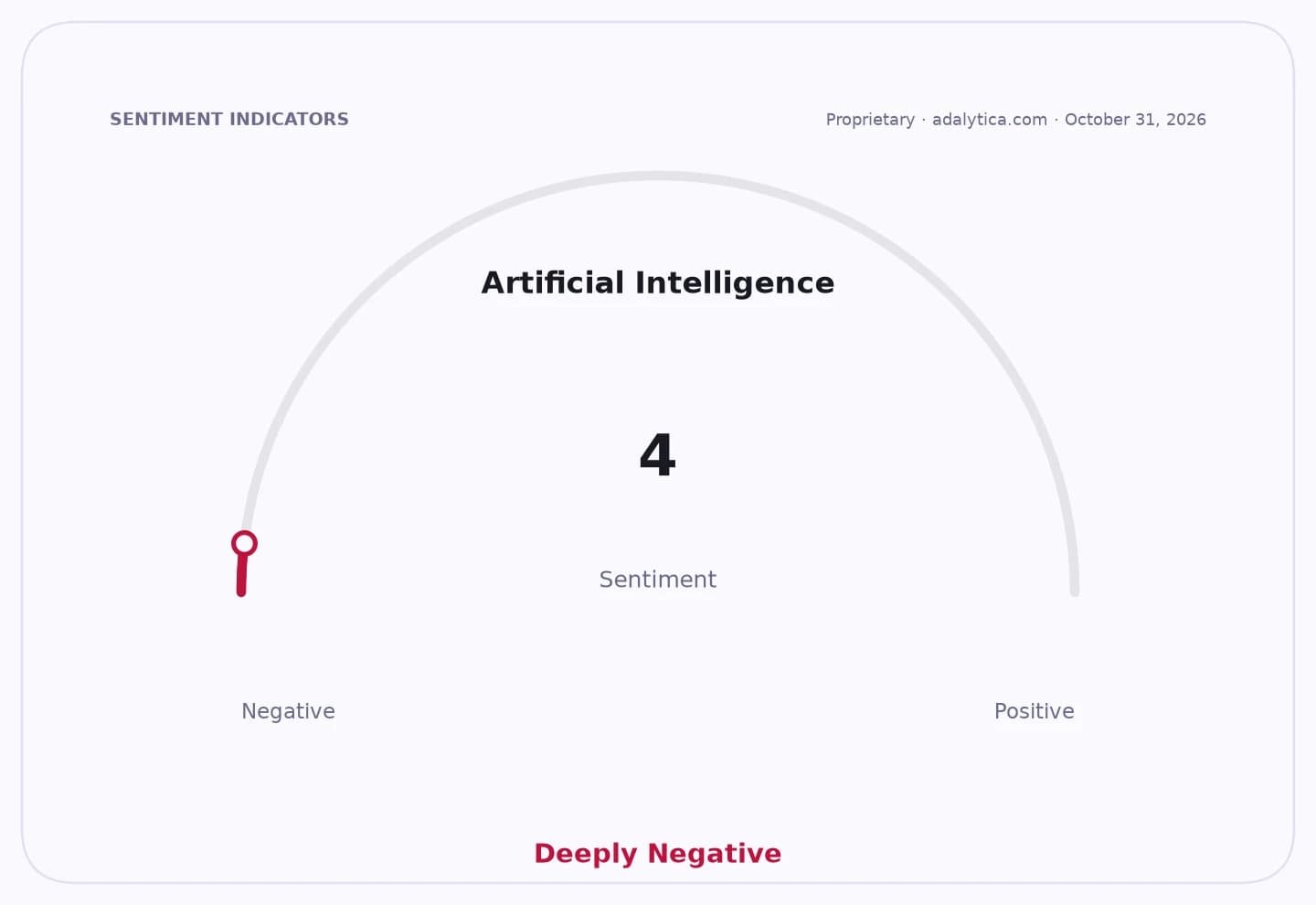
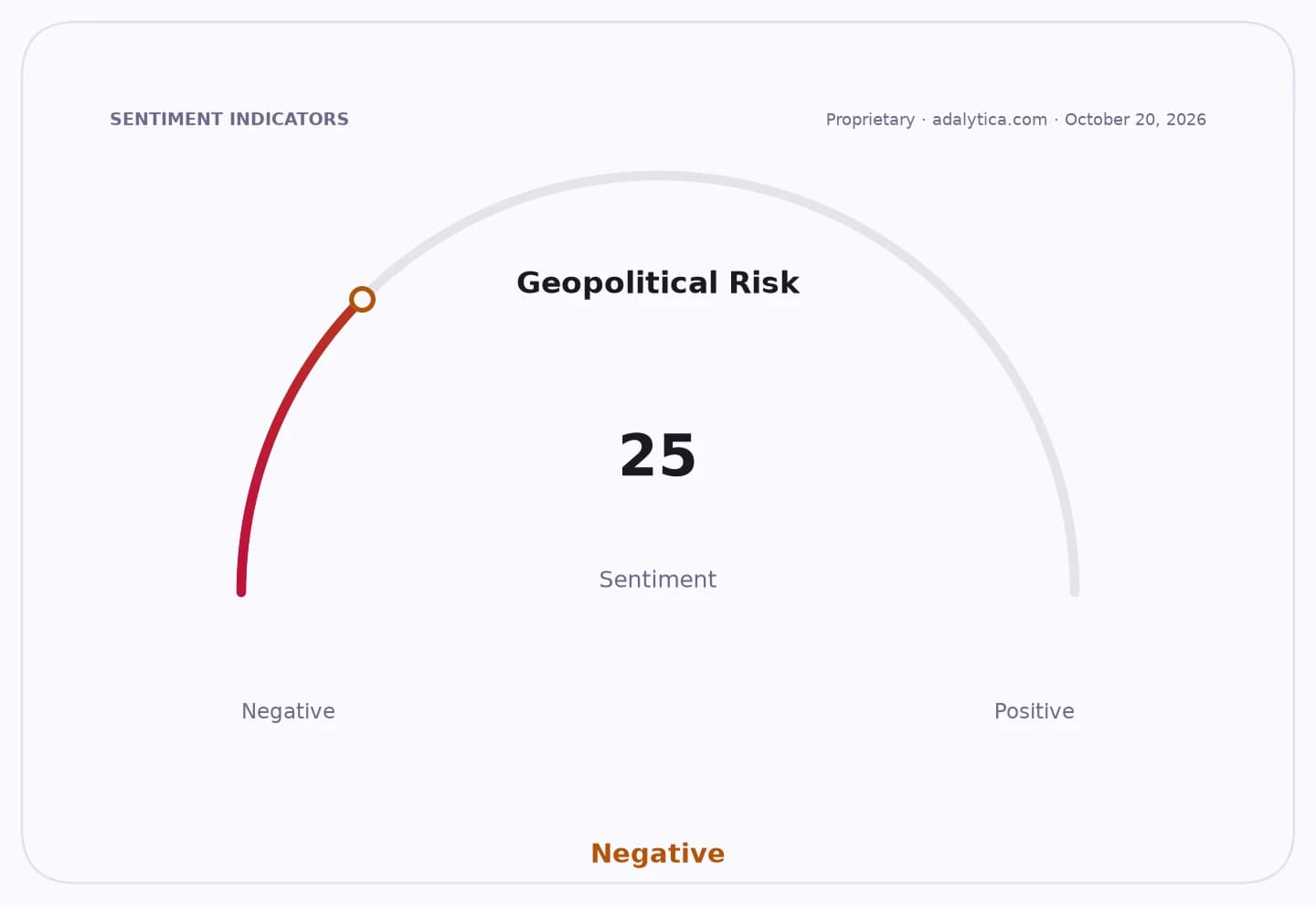
Sentiment Indicators
Why this matters goes beyond one fraud scheme. AI has lowered the cost of producing convincing hooks for consumers, which means cybercrime can scale faster and look more legitimate. That is a real economic cost: more stolen funds, more fraud losses for banks and payment networks, and more pressure on platform operators, app stores and software makers to police what gets distributed under the AI banner.
For investors, the story cuts both ways. The AI ecosystem still has powerful long-term demand drivers, but the industry’s biggest winners also depend on trust, distribution and brand safety. Microsoft, Meta and Adobe all trade on the idea that AI makes digital work easier and more valuable. When criminals use “free AI” as camouflage, it raises the bar for security, content verification and user education across the entire software stack.
That is particularly relevant for Adobe, which sits close to consumer-facing image editing and creative tools, and for Meta and Microsoft, whose platforms and services are constantly targeted by fraudsters looking for reach. Technical indicators on the stocks also show how quickly sentiment can swing: Adobe has slipped below its 50-day moving average, while Microsoft and Meta remain well above their longer-term averages despite recent volatility. In other words, the market still likes the secular AI story, but it is not ignoring the risks.
The bigger lesson for long-term investors is simple. AI is not just an opportunity to automate work; it is also a tool that can industrialize deception. Companies that can combine AI features with stronger identity checks, safer distribution and better security controls should emerge with wider moats. Those that fail to do so may face reputational damage, higher compliance costs and slower adoption.
For now, this looks less like a reason to abandon AI and more like a reason to favor the companies that can make it trustworthy. That is the edge investors should keep watching over the next several years.
| Entity | Gains | Losses |
|---|---|---|
| Security vendors | ▲Higher demand for protection tools | ▼None |
| Software platforms | ▲Chance to strengthen trust controls | ▼Higher fraud-related costs |
| Adobe | ▲Need for safer creative workflows | ▼Reputational risk from misuse |
| Consumers | ▲Better warnings and safeguards | ▼Exposure to scams and stolen funds |