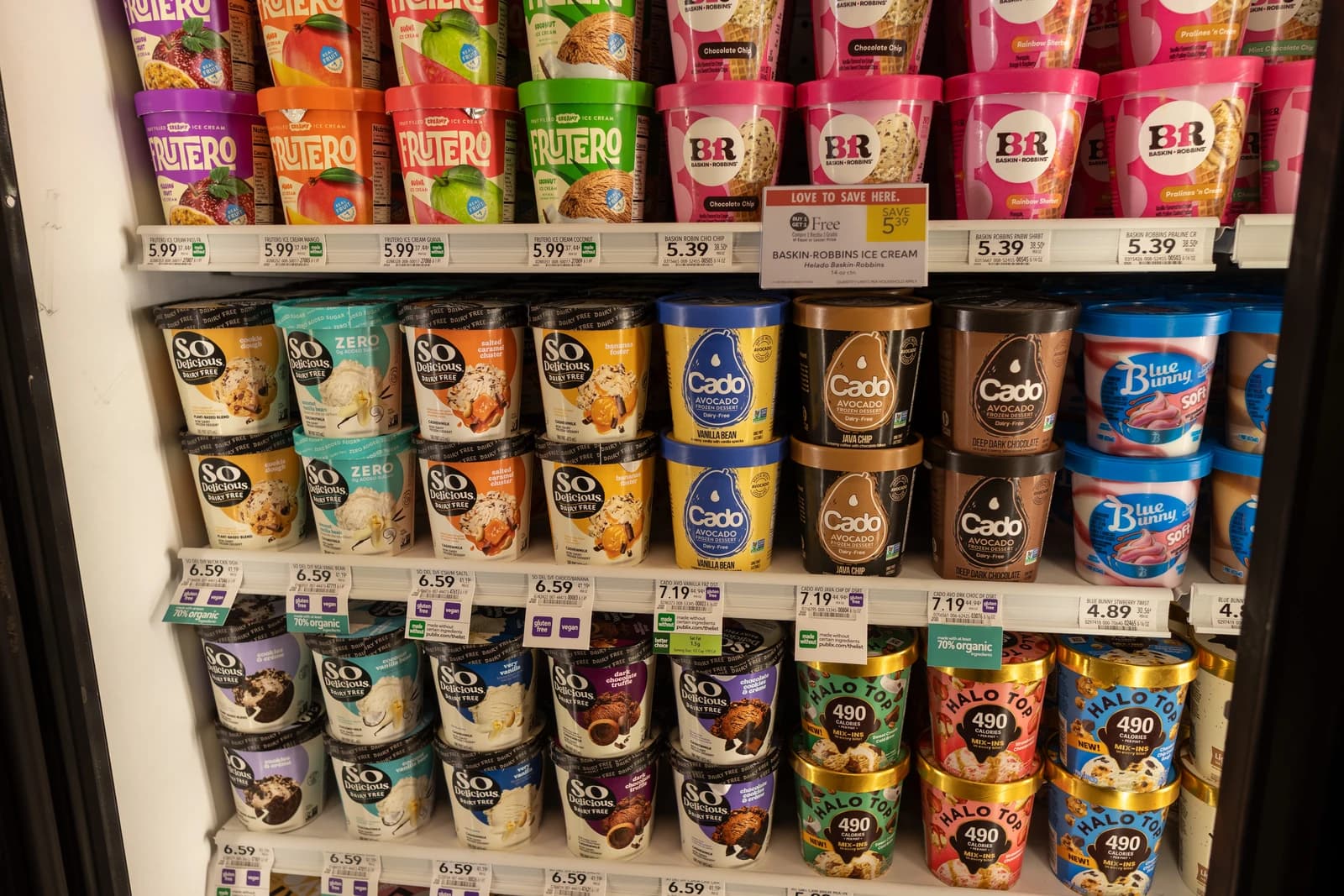
Greece’s inflation rate climbed again in October to 5.6%, intensifying pressure on household budgets even as the government rolled out a fresh round of supermarket price cuts covering 994 products.
Greece inflation rises to 5.6% in October
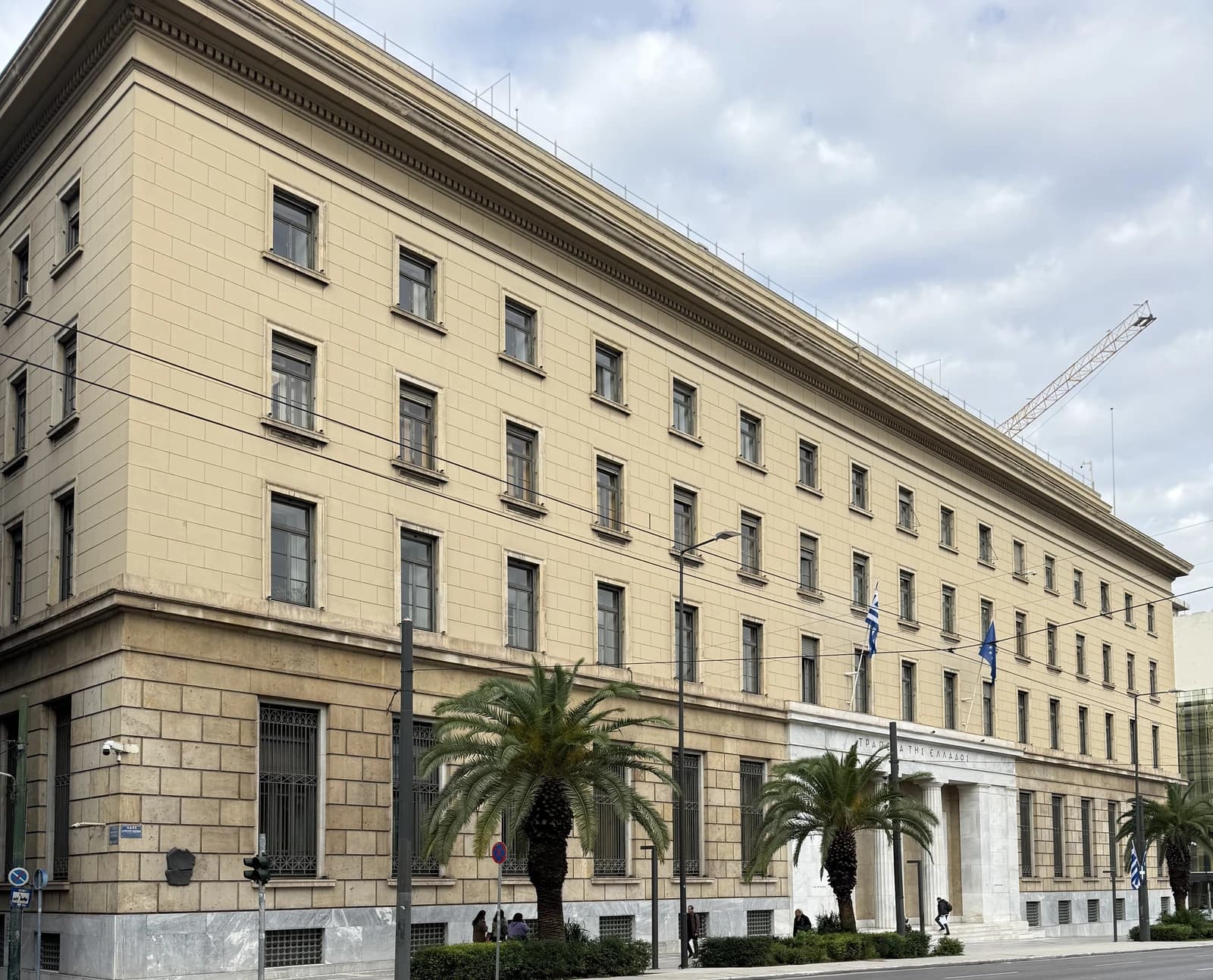
The jump, which marked a 0.5 percentage-point increase from the previous month, reinforces that the cost-of-living squeeze remains one of the most important economic headwinds in the Greek economy. Eurostat data showed the sharpest increases in energy and services, while food, alcohol and tobacco inflation turned positive at 1.4% after slipping to -0.1% in the prior month. For consumers, that combination matters more than the headline rate alone: it points to broad-based price stickiness in essentials, where households have the least flexibility to cut spending.
Sentiment Indicators
The government’s response is the second phase of its National Price Reduction Initiative, running through November and December and extending to 994 product codes across food, soft drinks, personal care items, baby products and pet food. The average reduction in base prices is 7.1%, according to the Independent Authority for Market Control and Consumer Protection. Of those products, 628 are branded items, with an average cut of 6.7%. Authorities are also continuing talks with suppliers and supermarket chains to widen the program.
The initiative is politically and economically significant because it attempts to offset inflation without resorting to broad fiscal subsidies. For the state, it is a lower-cost way to demonstrate action on prices. For retailers and suppliers, it is a margin trade-off: absorbing smaller prices may help preserve volumes and consumer traffic, but it also raises questions about how long branded manufacturers can sustain discounts if input and energy costs stay elevated. The newly launched posokanei.gov.gr app, which lets shoppers check participating products, suggests the government is also trying to make the program more visible and enforceable at the shelf level.
For investors, the story speaks to two competing forces in Greece. On one side, persistent inflation in energy, services and food keeps consumer sentiment fragile and could weigh on discretionary spending. On the other, the price-reduction campaign may support retail volumes and soften the hit to real incomes, particularly if it expands beyond the current basket. That matters for listed consumer and retail names, but also for the broader macro backdrop: if inflation proves sticky, it could constrain the pace at which household demand recovers even as the economy benefits from better fiscal management and stronger bank profitability.
The next test is whether the supermarket discount scheme can meaningfully cool food inflation before year-end, or whether October’s rise proves that Greece is still fighting a supply-driven inflation problem rather than a temporary price shock.
| Entity | Gains | Losses |
|---|---|---|
| Greek households | ▲Lower grocery bills | ▼Eroded purchasing power |
| Supermarkets | ▲Higher traffic, goodwill | ▼Margin pressure |
| Branded suppliers | ▲Volume support | ▼Discounted pricing |
| Greek government | ▲Political cover, visible relief | ▼Pressure to do more |