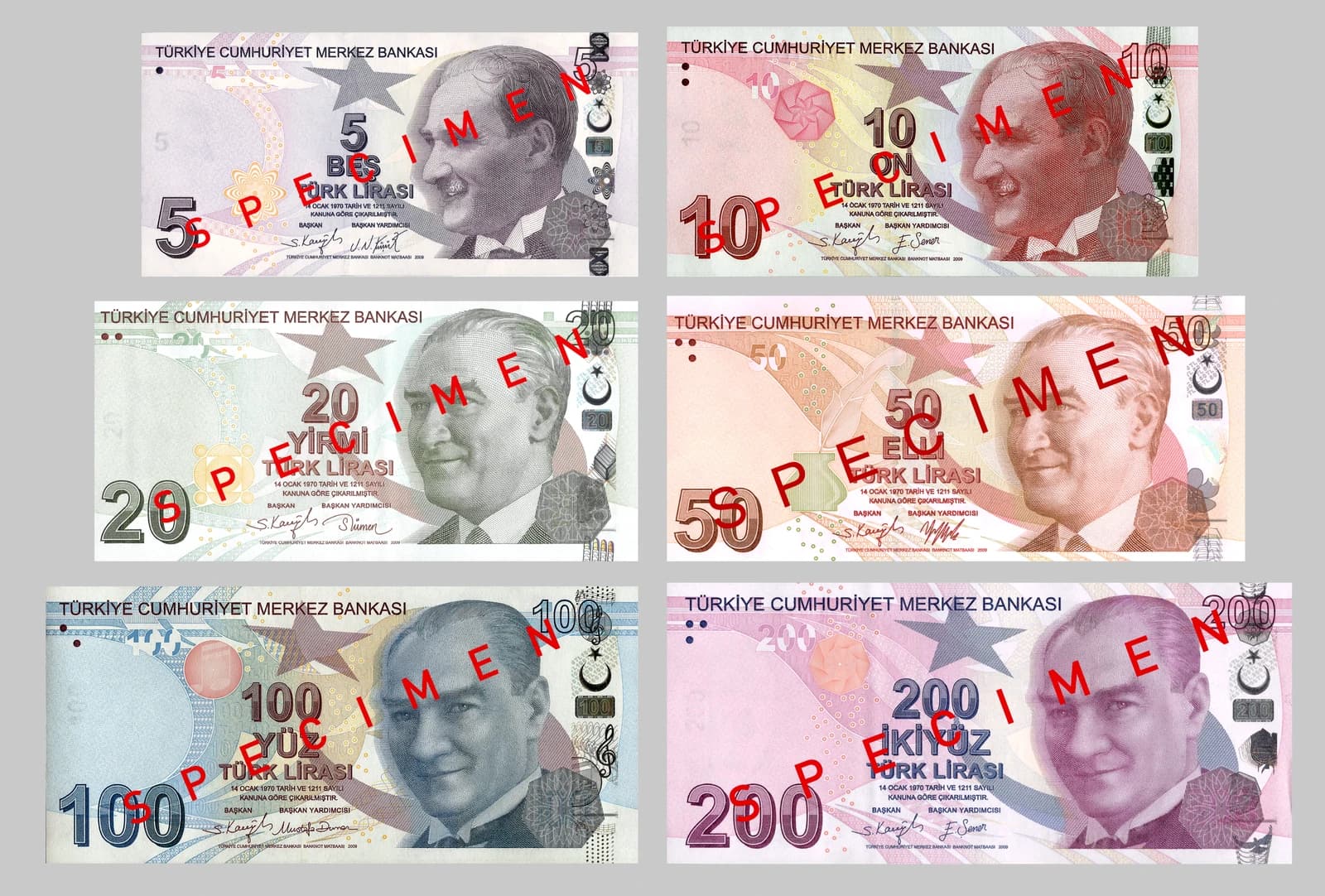
Turkey’s inflation accelerated in October even as the lira slid to a fresh record low, underscoring the policy bind facing Ankara and the risk that a weaker currency will keep price pressures elevated into year-end.
Turkey inflation rises as lira hits record low

The Turkish Statistical Institute said consumer prices rose 2.58% in October from the prior month and 29.77% from a year earlier, ending a four-month run of easing annual inflation. The monthly print was driven mainly by food, housing and transport, the categories that together carry the greatest weight in the basket and have the broadest spillover into household spending and business costs.
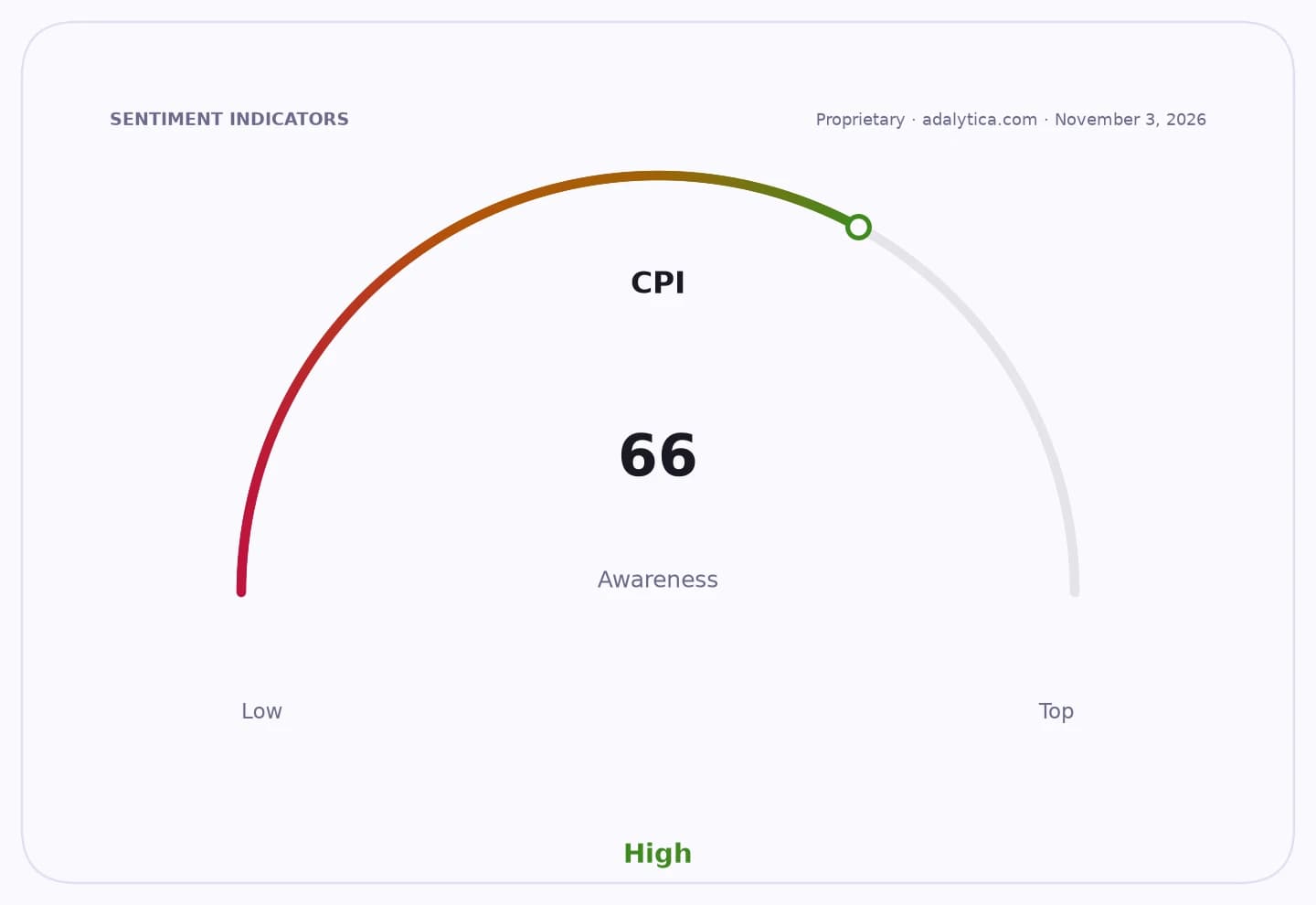
Sentiment Indicators
That matters because Turkey’s central bank is being pulled in opposite directions. Inflation remains far above levels consistent with price stability, yet markets are betting on imminent rate cuts after a period of disinflation. The currency’s drop toward 50 per dollar reflects those expectations as much as it reflects the inflation data itself. A weaker lira raises the local-currency cost of imported goods, energy and intermediate inputs, threatening to feed another round of price rises and complicating any easing cycle.
The official data show the pressure was not isolated. Food and non-alcoholic beverages rose 27.73% on the year and contributed 6.81 percentage points to inflation, while housing, water, electricity, gas and other fuels climbed 40.24% and transport increased 36.39%. On a monthly basis, food prices rose 3.50%, housing 2.84% and transport 2.02%, suggesting the inflation impulse remains broad rather than confined to one volatile category.
For investors, the combination of sticky inflation and a record-low currency raises the bar for Turkish risk assets. A cut in policy rates, if delivered too soon, could deepen pressure on the lira and keep longer-dated bond yields elevated. Equities may still get short bursts of relief from easier financial conditions, but the macro backdrop argues for caution: companies with import exposure, foreign-currency liabilities or weak pricing power are more vulnerable, while exporters and firms earning hard currency may be relatively insulated.
The read-through is straightforward: unless the lira stabilizes, October’s inflation report is more likely to force a harder debate over monetary credibility than to provide room for comfort. Market focus now turns to whether the central bank prioritizes growth support or currency defense — and whether that choice can be made without reigniting inflation expectations.
| Entity | Gains | Losses |
|---|---|---|
| Turkish exporters | ▲More lira revenue per dollar earned | ▼Imported input costs still rise |
| Importers and consumers | ▲— | ▼Higher prices for foreign goods and fuel |
| Turkish equities | ▲Easier policy could support valuations | ▼Currency weakness and margin pressure |
| Central bank credibility | ▲— | ▼Risk of being seen as too dovish |