Turkey’s January wage reset is taking shape around a likely minimum wage near 26,000 lira, as inflation keeps pushing up pension and civil service pay and leaves households waiting for the government’s final call on whether to add extra relief.
Turkey January wage reset nears 26,000 lira
The most important development is not the headline estimate itself, but the way it captures the fiscal and political pressure created by Turkey’s sticky inflation: with October consumer prices up 2.58%, four months of second-half inflation had already reached about 8.28%, narrowing the room for employers and the state to hold down wage costs while preserving purchasing power.
Sentiment Indicators
Social security specialist Özgür Erdursun said SSK and Bağ-Kur retirees could see a January increase of about 10.5% if November and December inflation come in line with expectations, while civil servants and retired civil servants may get around 8.5% once collective-bargaining raises and inflation compensation are combined. Those projections matter because they set the floor for millions of pay packets and pensions in a country where wage indexation has become a core transmission channel from inflation to consumption, budgets and expectations.
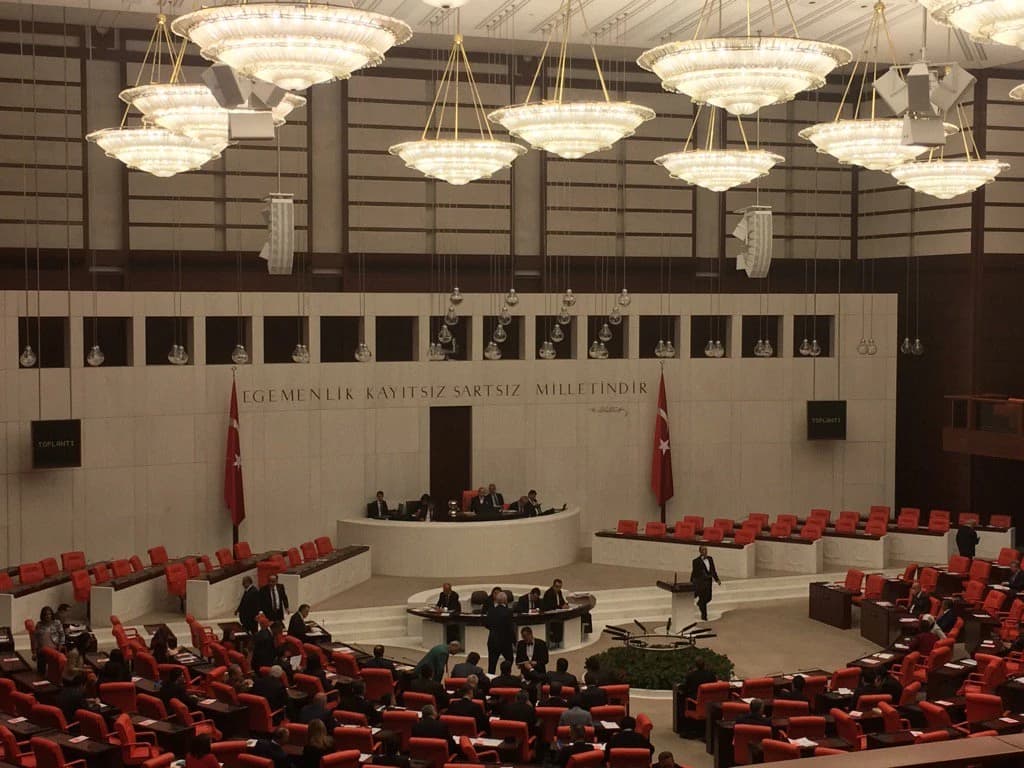
The lowest pension, currently 23,552 lira, could rise to about 26,000 lira in Erdursun’s estimate, though that figure is not automatic. Unlike standard retiree benefits, the base pension requires legislation, which gives the government and parliament room to smooth social pressure if the final inflation adjustment proves politically insufficient. That also means the eventual number could end up higher if Ankara opts for a discretionary top-up, such as a welfare share or a flat-rate increase.
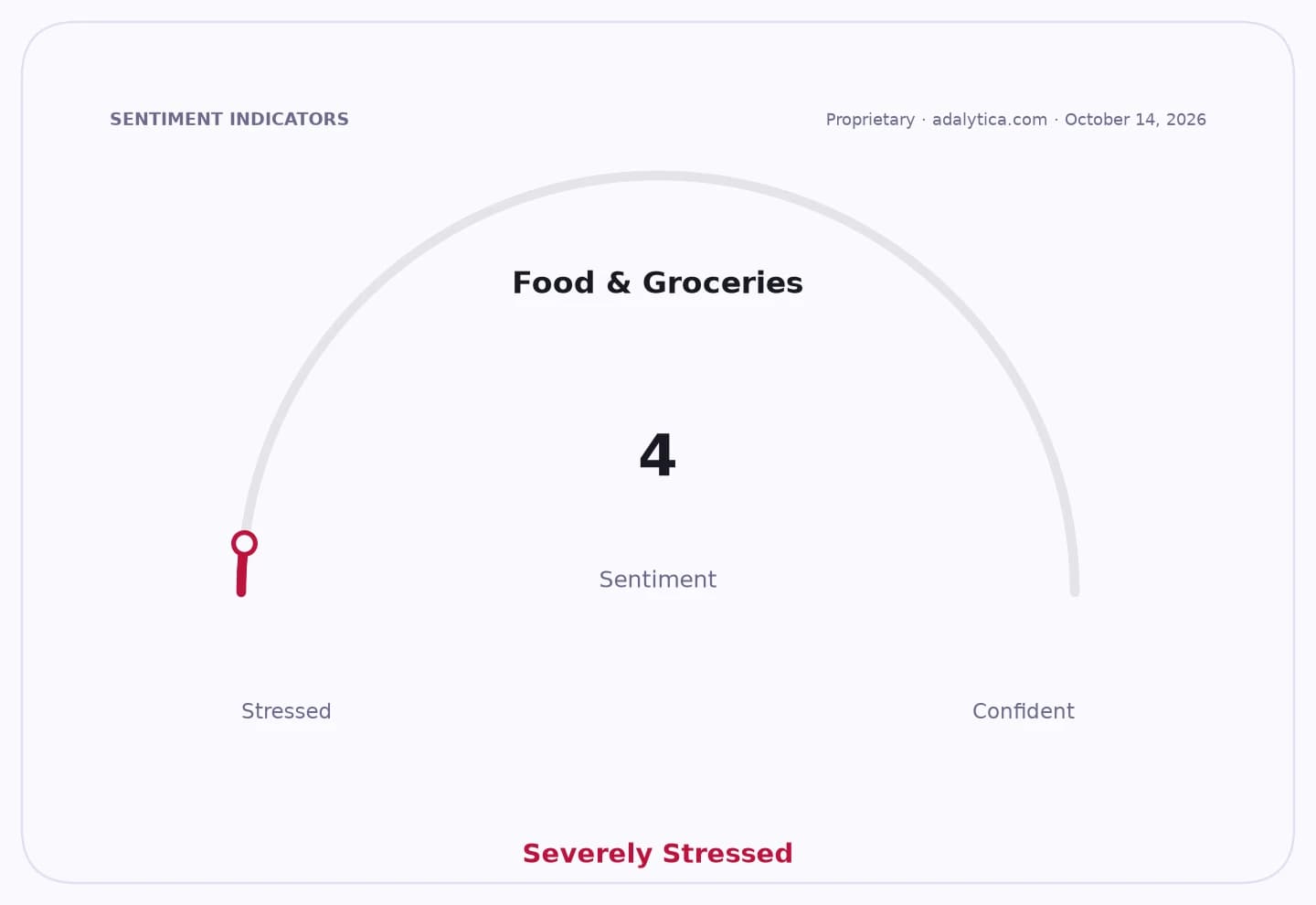
For investors, the arithmetic cuts both ways. Higher public-sector pay and pensions can support near-term household spending, but they also add to sticky services inflation and complicate disinflation efforts. The lira’s move to 50.01 against the dollar on Nov. 4 underscores how sensitive the currency remains to inflation differentials and policy credibility, while standard technical indicators such as the 50-day and 200-day moving averages point to a firm uptrend rather than relief. At the same time, broader consumer gauges in the supplied data show spending sentiment cooling sharply in the past day, suggesting that any wage gains may be more about preserving living standards than unleashing fresh demand.
The key unknown is the government’s stance. If Ankara limits itself to the formulaic inflation adjustment, real incomes for retirees and workers will still be under pressure and the budget impact will be more contained. If it adds a seyyanen raise or welfare share, that would support consumption and ease social strain, but at the cost of making inflation harder to bring down. Either way, the December minimum wage talks and the January final inflation print will determine whether Turkey’s 2027 wage reset is a stabilizing compromise or another round of price-and-wage drift.
| Entity | Gains | Losses |
|---|---|---|
| Retirees | ▲Higher monthly income | ▼Still trails inflation if top-up is absent |
| Civil servants | ▲Indexed pay increase | ▼Budget discipline and wage restraint |
| Government | ▲Short-term social relief if it adds extras | ▼Higher fiscal and inflation pressure |
| Employers | ▲Greater predictability if increase stays formulaic | ▼Higher labor costs if minimum wage rises to 26,000 lira |