Romania is moving into a decisive round of talks over the 2027 minimum wage, with the government set to convene unions and employers in the coming days as it weighs a raise that will feed directly into next year’s budget and labour costs across the economy.
Romania weighs 2027 minimum wage increase

The timing matters because the minimum wage is no longer just a social-policy issue in Romania; it is now a fiscal and macroeconomic variable. A higher floor would lift take-home pay for lower-income workers and could support consumption at a time when households remain sensitive to inflation, but it would also raise payroll costs for employers already warning about pressure on margins and competitiveness. The government has indicated the matter needs to be resolved by the end of the month so it can incorporate the figure into the state budget and social security plans.
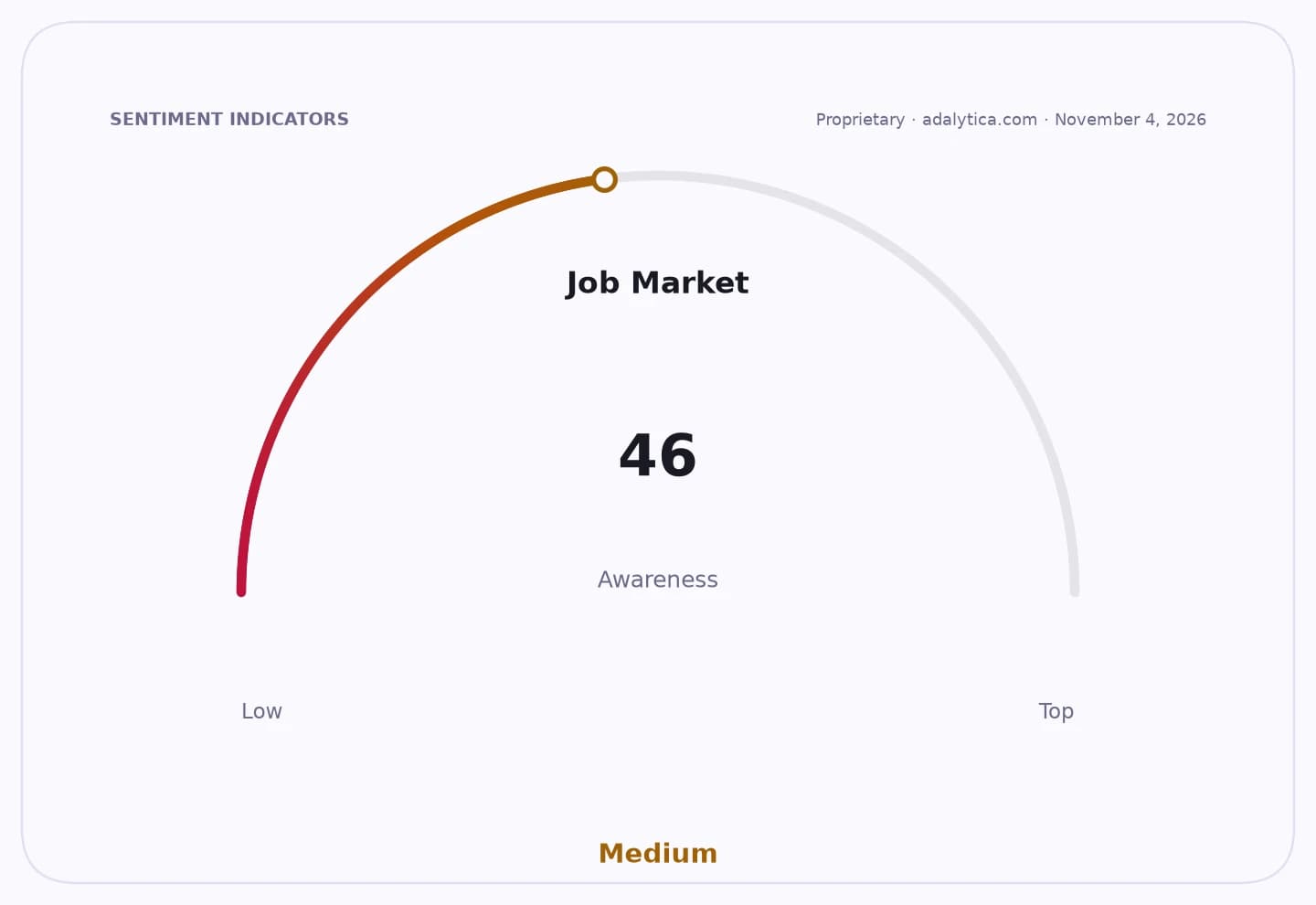
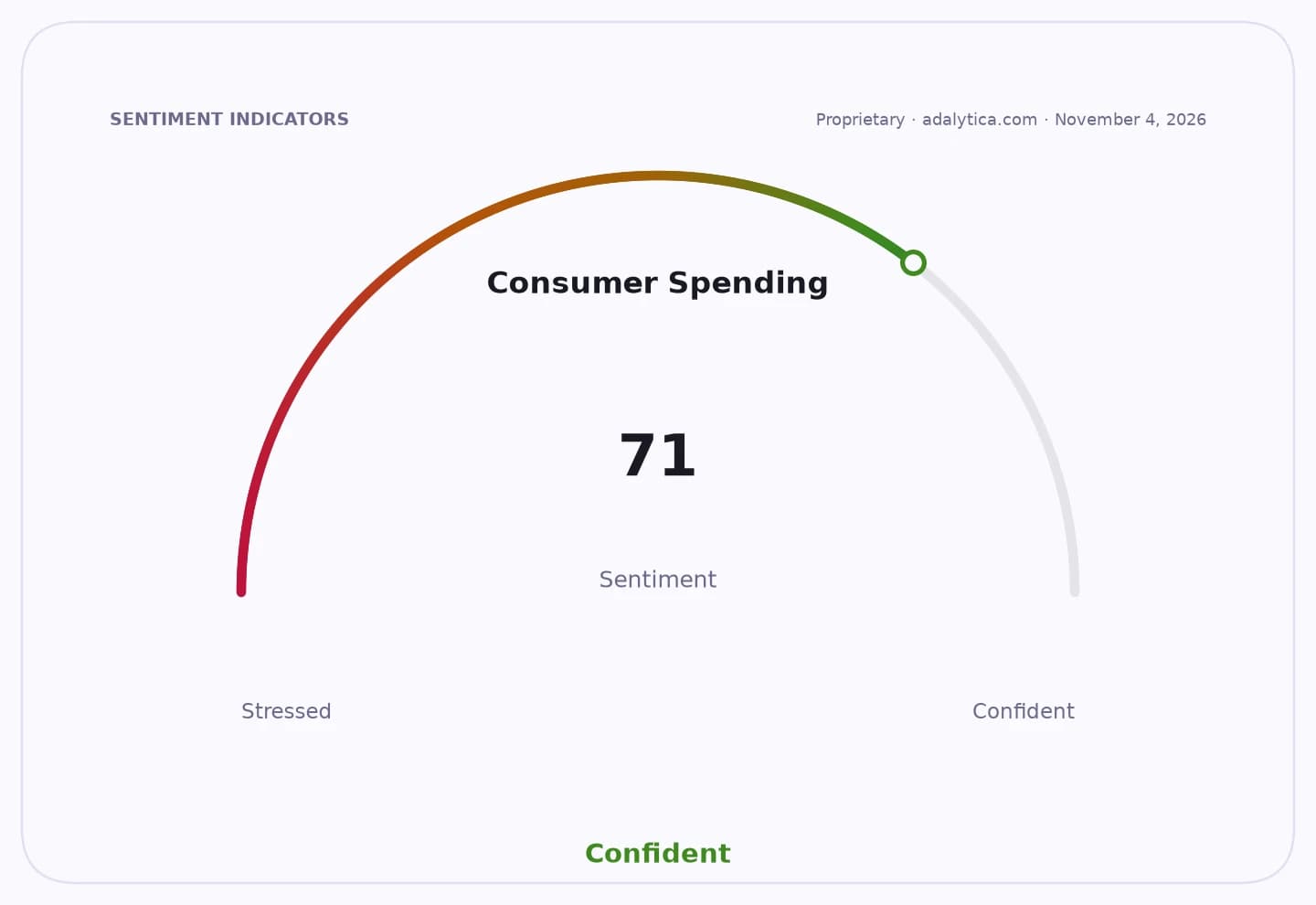
Sentiment Indicators
Dumitru Costin, head of the Blocul Național Sindical, said after meeting Prime Minister Luca Niculescu that the talks will be held within the National Tripartite Council for Social Dialogue, where government, unions and employers are meant to agree on a transparent mechanism for setting the minimum wage. He said the union side would not yet put forward a number in public, but wants the debate framed by data rather than politics. Employers, meanwhile, are expected to resist any steep increase, as they have in previous wage rounds.
The dispute reflects a broader policy shift in Romania, where the minimum wage is now tied to European Union rules requiring a predictable tripartite mechanism. That makes the 2027 decision more consequential than a one-off political adjustment: it is part of a longer effort to standardise wage-setting and bring fiscal planning into line with a formal rule. Costin also linked the wage floor to a wider debate over labour taxation, arguing that low salaries remain heavily taxed and that any increase should be considered alongside changes to payroll levies.
For investors, the immediate issue is not just the level of the minimum wage, but the second-round effects. A larger increase would be supportive for retailers, consumer staples and companies exposed to wage-led household spending, but it could squeeze labour-intensive businesses in food service, logistics, retail and light manufacturing. It also raises the risk of margin compression if firms cannot pass on higher labour costs, particularly in a still-fragile operating environment.
The market implication is clearest in domestic demand sectors, where better pay for lower-income workers can bolster volumes, but the benefit may be offset by higher cost structures. In that sense, the wage debate is a test of whether Romania can sustain real wage gains without reigniting inflation or forcing employers to slow hiring. The government’s need to finalise the figure before the budget is sent to parliament gives the talks immediate economic weight, not just political symbolism.
If unions succeed in pushing through a meaningful rise for January 2027, the winners will likely be low-wage workers and consumer-facing companies with pricing power. The losers will be employers with thin margins and limited room to absorb higher payroll bills. The next few days of negotiations will determine whether Romania opts for a modest adjustment that preserves competitiveness or a larger increase aimed at easing cost-of-living pressure on households.
| Entity | Gains | Losses |
|---|---|---|
| Low-wage workers | ▲Higher purchasing power | ▼None directly |
| Consumer retailers | ▲Stronger household demand | ▼Higher wage bill risk |
| Employers in labour-heavy sectors | ▲Predictability if increase is modest | ▼Margin pressure |
| Government | ▲Budget clarity and social peace | ▼Fiscal and inflation risk |