Romania’s proposal to lift meal vouchers to 50 lei from 45 lei could inject an estimated 2.6 billion lei into the economy, according to an ASE study that argues the change would offset inflation while supporting spending, jobs and business activity.
Romania meal voucher proposal to raise value to 50 lei
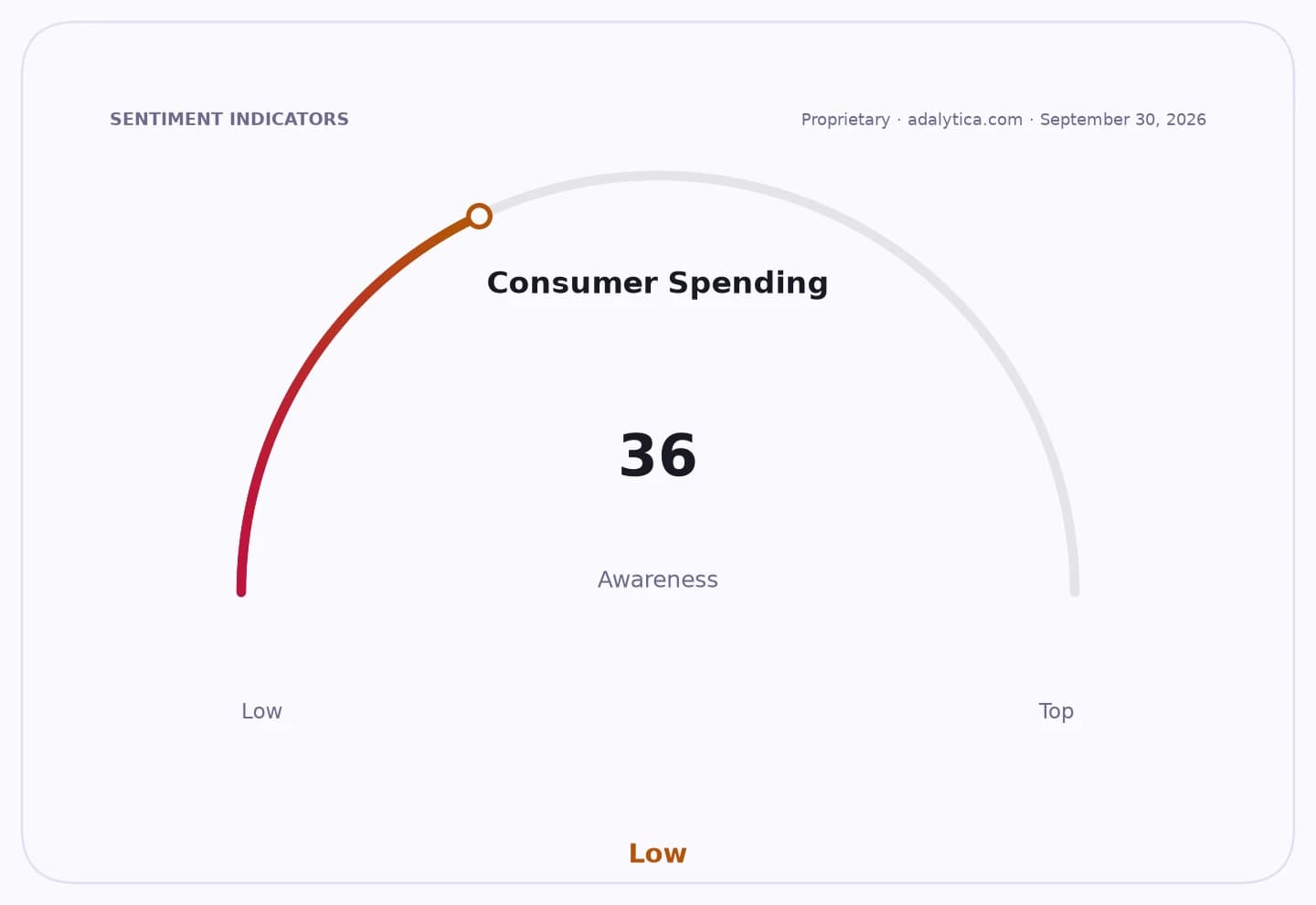
Consumer Spending
That matters because the meal voucher system is not just a wage benefit: in Romania, it is a sizeable consumption channel covering about 3 million workers and already linked to roughly 160,000 jobs. With food prices up almost 8%, keeping the voucher at 45 lei has eroded its purchasing power and, by extension, its ability to support daily consumption in supermarkets, food service and other retail segments.
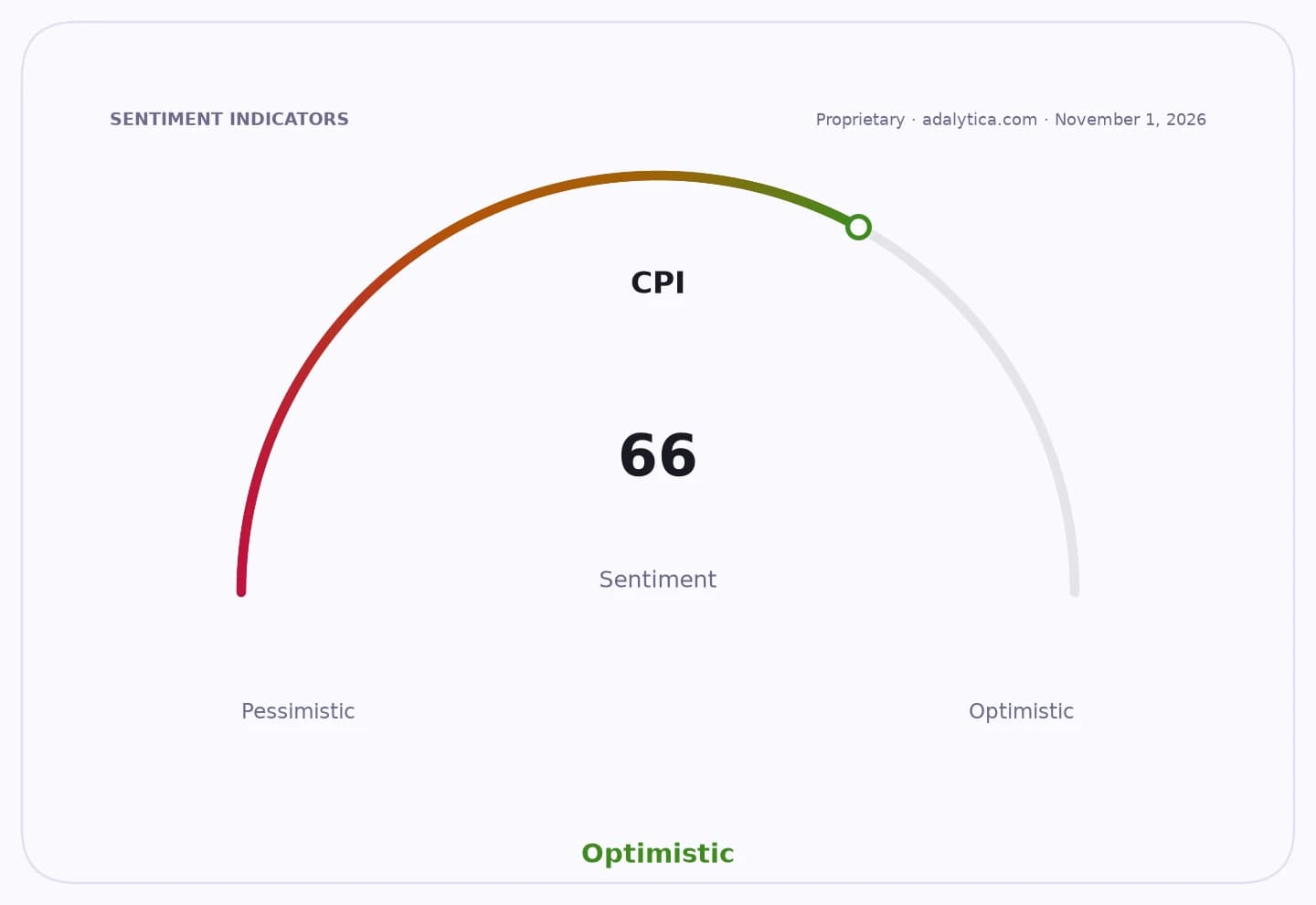
Sentiment Indicators
ASE said indexing the voucher to inflation would raise its contribution to GDP from 1.1% to 1.24%, or about 600 million euros, while the broader scenario studied could generate up to 2.6 billion lei in extra economic activity and sustain as many as 19,800 jobs annually. In macro terms, that implies a small policy change with a multiplier effect: more disposable income for households, higher turnover for merchants that accept vouchers and, potentially, more tax receipts from formalized spending.
For investors, the main implication is not a direct market-moving event but a read-through for Romanian consumer demand and retail volumes. Large food retailers, grocery chains and restaurants stand to benefit if higher vouchers translate into more frequent purchases and less trading down to cheaper goods. At the same time, employers could welcome a measure that preserves real worker compensation without forcing them to absorb the full inflation shock in cash wages.
The case for the increase is that it supports consumption without creating a new entitlement from scratch, while the bear case is that it may do little to solve underlying cost-of-living pressure if inflation stays sticky. Even so, the policy fits a broader government effort to cushion households and keep spending flowing through the formal economy at a time of economic turbulence.
Parliament’s decision will determine whether the voucher adjustment becomes a short-term relief measure or a more durable demand boost for Romania’s retail and food sectors.
| Entity | Gains | Losses |
|---|---|---|
| Employees using vouchers | ▲Higher purchasing power | ▼Less erosion from inflation |
| Retailers and food merchants | ▲More voucher spending | ▼Pricing pressure if demand shifts |
| Employers | ▲Less wage pressure | ▼Potential higher benefit costs |
| State economy | ▲Higher consumption and GDP | ▼Budget may face indirect tax trade-offs |