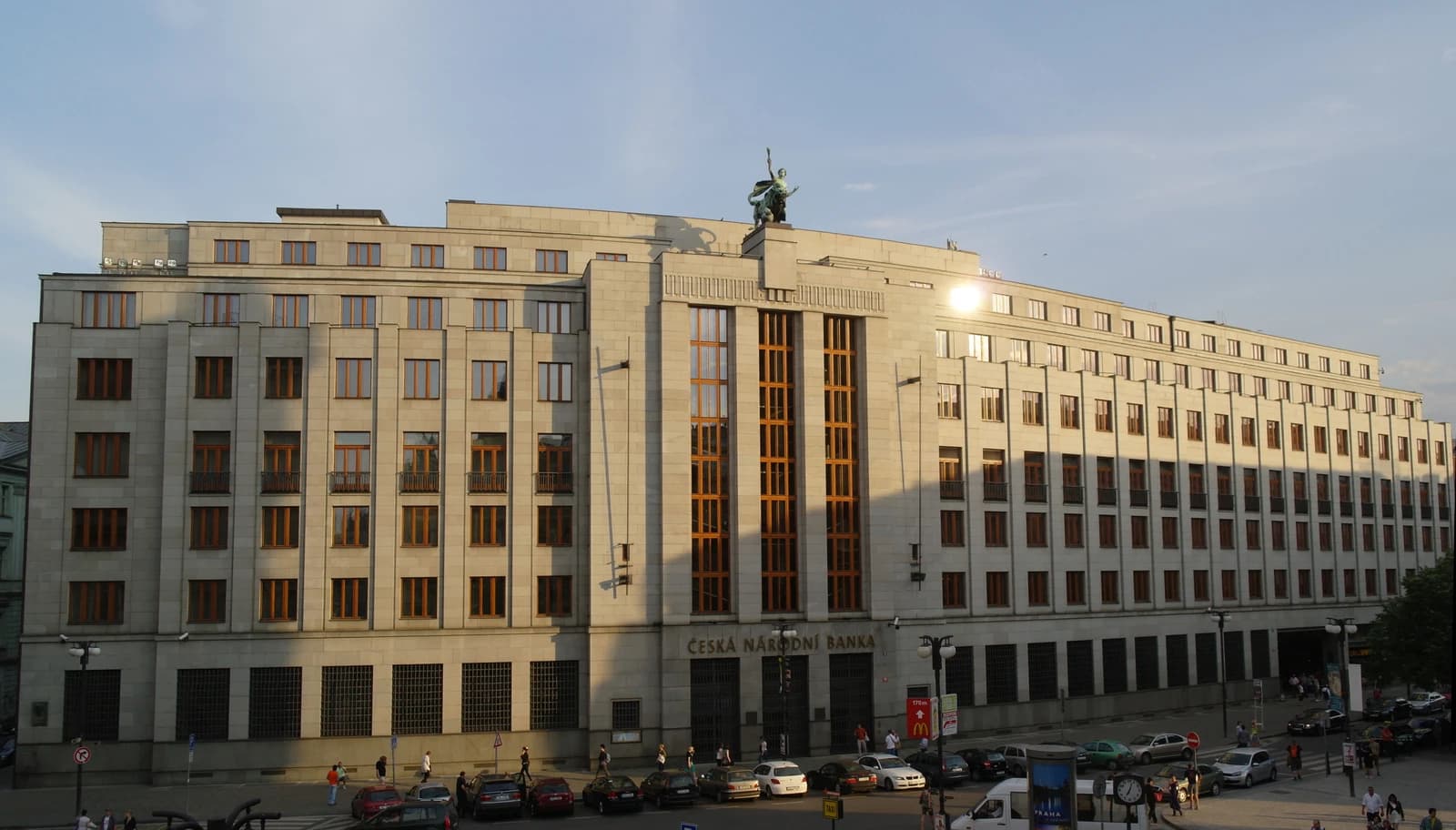
Czech domestic demand stayed strong in August and the labor market remained tight in September, reinforcing the case for the Czech National Bank to keep monetary policy restrictive and, in the base case of some economists, to raise rates again in November.
Czech retail sales rise as CNB rate hike bets grow
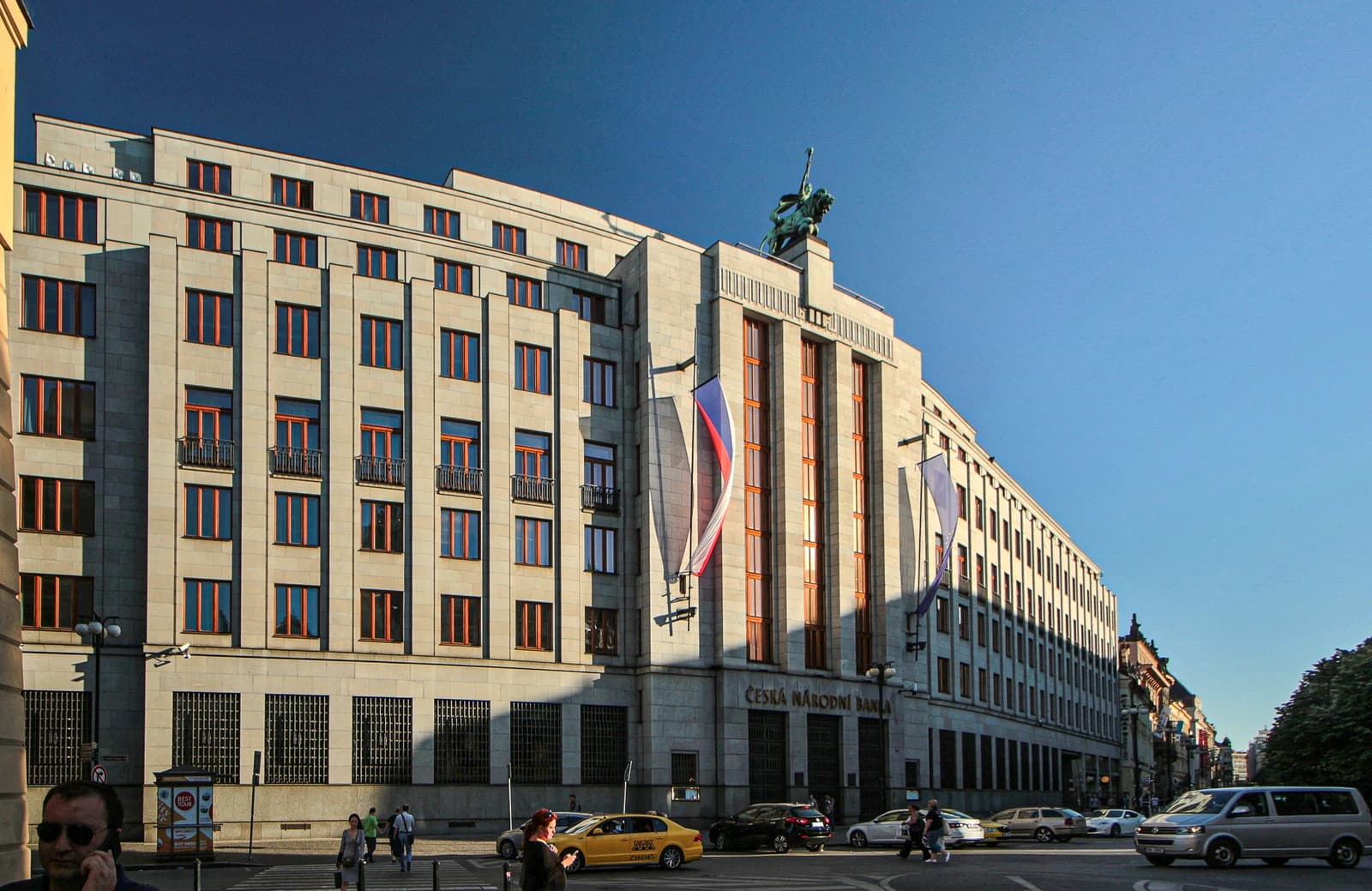
Retail sales rose 0.2% from July and were 4.6% higher year on year, a sign that household consumption is still doing much of the heavy lifting in the economy. At the same time, the unemployment rate held at 5%, a level that suggests the labor market is near equilibrium but still generating wage pressures that can feed through into core inflation.
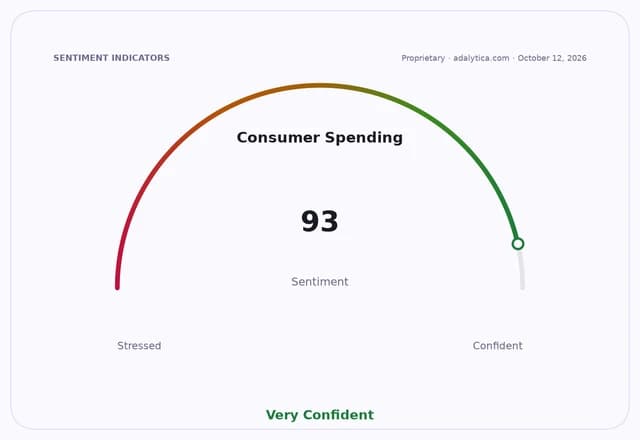
Sentiment IndicatorsⓘProprietary · adalytica.com · October 12, 2026
This is a snapshot — live sentiment, awareness and momentum for 130+ markets update continuously in the dashboard.Open AlphaPulse
That combination matters because the CNB has been fighting an inflation process that is no longer just about imported energy shocks. Stronger spending by households, together with still-solid wage growth, points to persistent domestic price pressure. For policymakers, that reduces the scope to ease and increases the likelihood that rates stay elevated for longer, even if growth is slowing only gradually.
Jiří Polanský of Česká spořitelna said the retail figures were “another favorable number” confirming robust household consumption. He added that the strength of the sector is inflationary and signals a continuing need for tight policy, with the bank still expecting a CNB rate increase in November.
The labor-market picture is more nuanced. A 5% unemployment rate is not particularly low by regional standards, but in the Czech context it is close to a level that neither intensifies nor cools inflation on its own. The real risk for the central bank is not the headline unemployment rate but the persistence of wage growth, which remains high enough to keep core inflation sticky.
For investors, the data argue for a firmer-for-longer policy stance in Prague and a stronger case for the Czech koruna than for a rapid easing cycle. Higher-for-longer rates can support the currency and short-end yields, but they also weigh on domestic credit demand and rate-sensitive sectors such as housing and discretionary retail if borrowing costs remain elevated.
The broader message is that the Czech economy is still being driven by consumers even as external demand remains uneven. That makes the inflation outlook more dependent on domestic behavior than on imported price shocks, leaving the CNB with little room to declare victory. The next key test will be whether upcoming wage data confirm that households can keep spending without forcing policymakers to tighten further.
| Entity | Gains | Losses |
|---|---|---|
| Czech National Bank | ▲More room to keep rates tight | ▼Pressure to cut soon |
| Czech koruna | ▲Support from higher-for-longer rates | ▼Borrowers facing dearer credit |
| Households with jobs | ▲Continued wage-backed spending power | ▼Savers exposed to sticky inflation |
| Retailers and consumer lenders | ▲Strong sales volumes | ▼Demand if rates stay high |