The Dominican Republic’s inflation pace remained contained in September even as food, transport and school-related costs pushed prices higher, keeping the central bank on track to preserve room for stable policy.
Dominican Republic Inflation Holds at 5.12% in September
The Central Bank of the Dominican Republic said consumer prices rose 0.33% in September, bringing 12-month inflation to 5.12% and leaving core inflation at 4.61%, back inside the official target range. That matters because it suggests the economy is still avoiding the kind of broad-based price pressure that would force a tighter monetary stance, even if households are still feeling the squeeze in daily essentials.
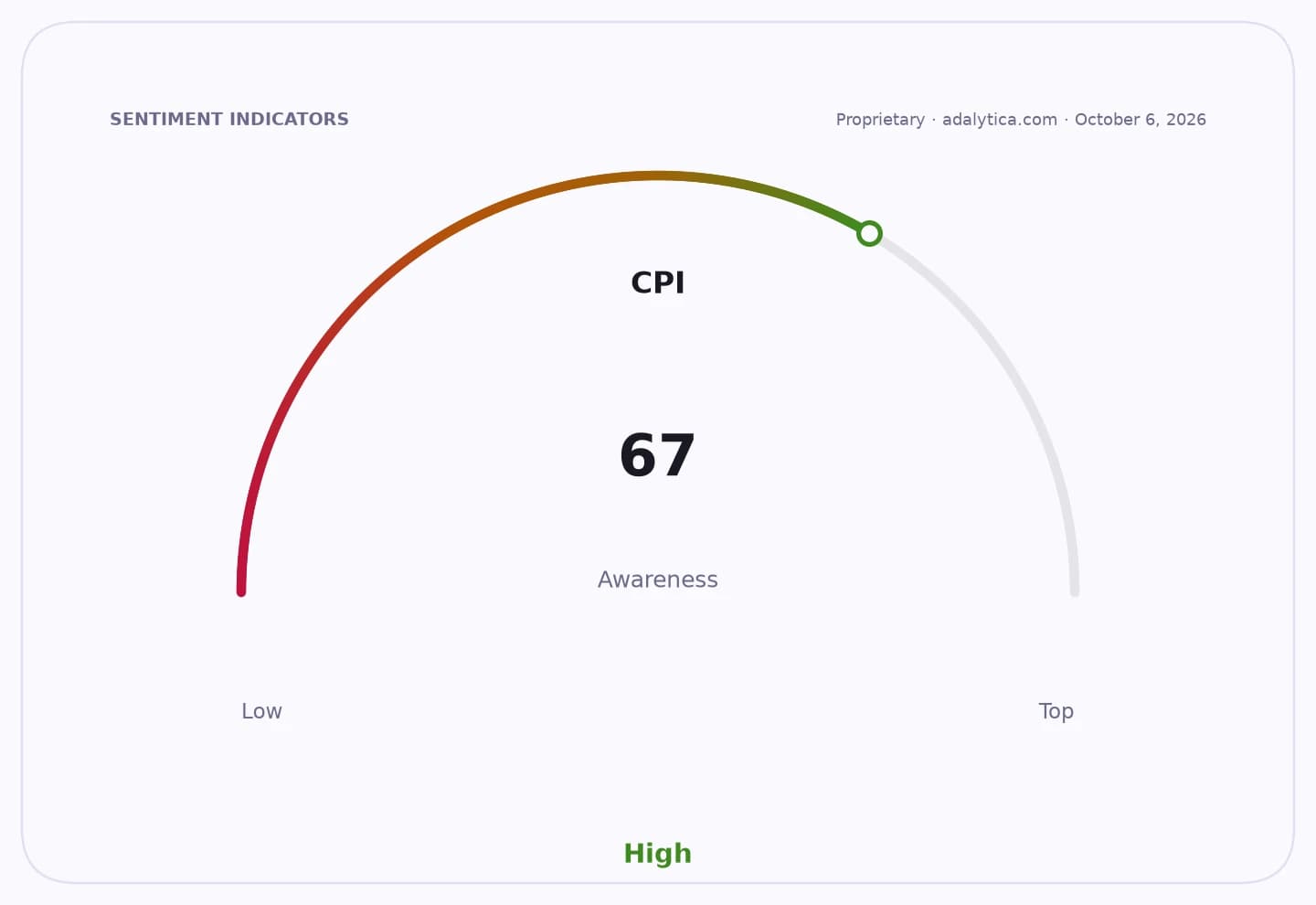
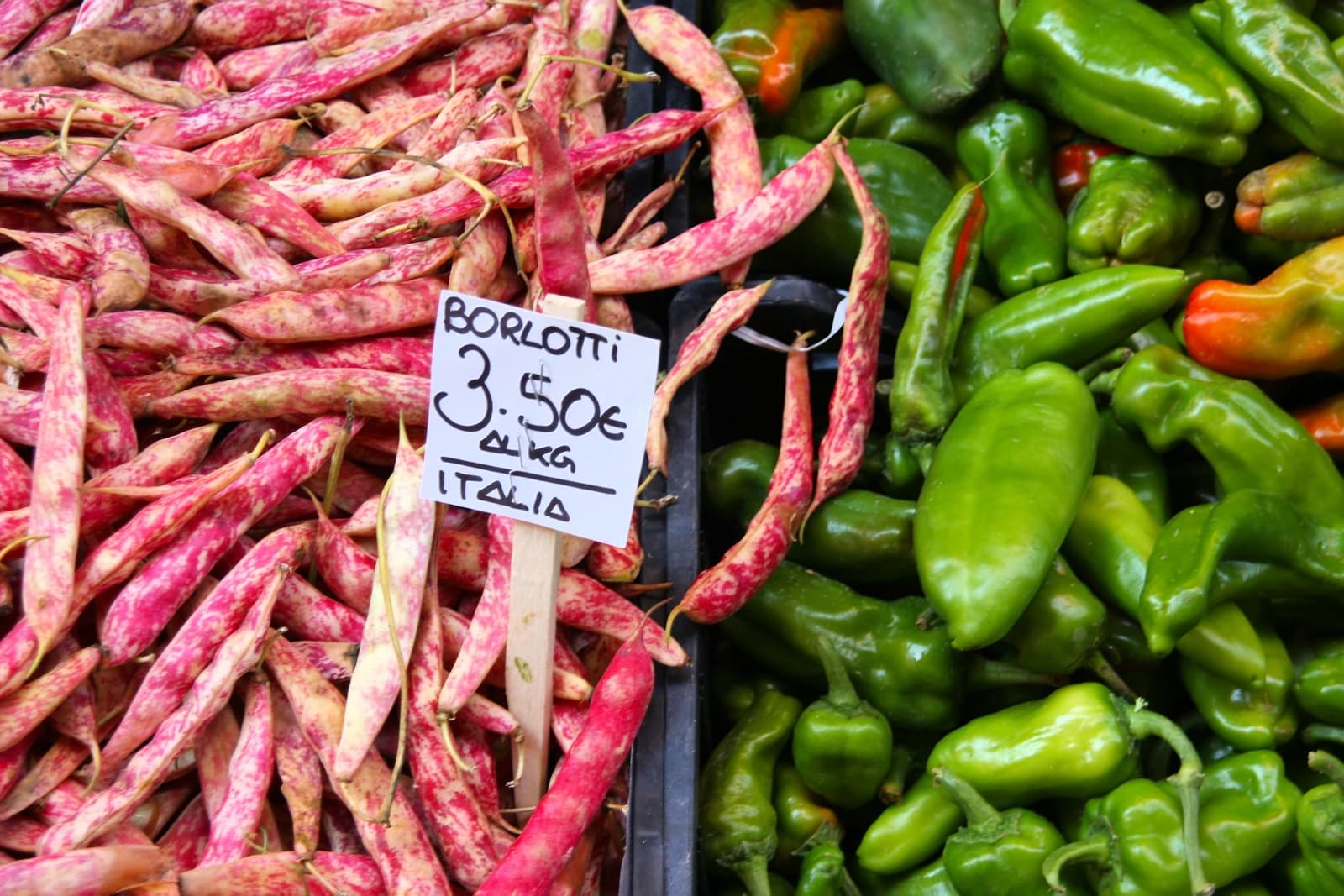
Sentiment IndicatorsⓘProprietary · adalytica.com · October 13, 2026
This is a snapshot — live sentiment, awareness and momentum for 130+ markets update continuously in the dashboard.Open AlphaPulse
The report showed the strongest price gains came from transport, up 0.64% on higher gasoline and school transport costs, food, up 0.43% on more expensive plantains, rice and eggs, and education, up 1.85% as private schools adjusted fees at the start of the academic year. Those are the categories with the heaviest impact on family budgets, which means the inflation print is likely to be more visible in consumer sentiment than in the headline number alone.
Offsetting some of that pressure was a 1.06% decline in communications, helped by cheaper mobile plans. Regional inflation also remained fairly subdued, with the South posting the largest monthly rise at 0.41% and the Ozama region the smallest at 0.29%.
Economically, the key point is that core inflation easing for a second straight month gives policymakers a better case for patience. With expectations still described as anchored, the central bank can keep its focus on price stability and purchasing power rather than reacting to a temporary food spike. For investors, that supports the view that Dominican rates are more likely to stay steady than to be pushed higher by a one-month uptick in staple prices.
The details also fit a broader pattern seen across food markets: prices remain vulnerable to commodity swings, transport costs and seasonal demand, even when underlying inflation is cooling. That is the divide markets will watch — whether this is a manageable bump driven by specific items, or the start of a wider pass-through from higher input costs into consumer prices.
For now, the September data points to an economy in balance: inflation is not benign, but it is contained enough to keep policy stable and preserve real purchasing power. The next test will be whether food and fuel pressures fade in the coming months or force the central bank to defend its inflation credibility more aggressively.
| Entity | Gains | Losses |
|---|---|---|
| Dominican Central Bank | ▲Policy flexibility | ▼Rate-hike pressure |
| Households | ▲Stable core inflation | ▼Higher food bills |
| Transport and education providers | ▲Higher prices/revenue | ▼Consumers |
| Consumers | ▲Cheaper communications | ▼Staples buyers |