India’s central bank lifted its retail inflation forecast for the current fiscal year to 5.2% and raised interest rates, signalling that price pressures are proving stickier than policymakers expected and narrowing the room for further easing.
RBI raises inflation forecast and repo rate to 5.5%
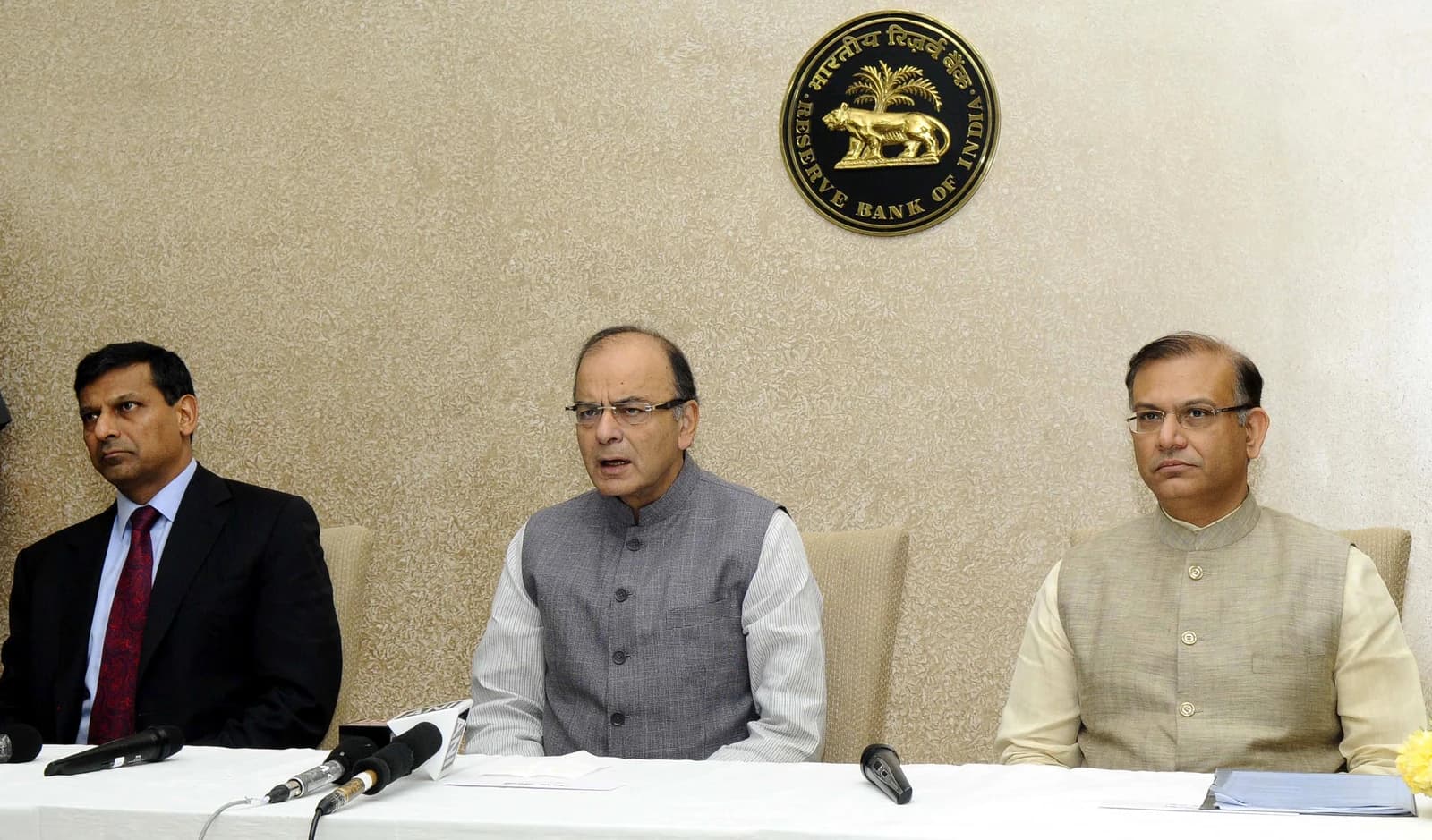
The Reserve Bank of India’s move matters because it shifts the balance of risks for an economy already facing uneven consumer demand and volatile commodity costs. Governor Sanjay Malhotra said the near-term outlook points to continued supply-side pressure from a weak southwest monsoon, El Nino conditions and sharp swings in global oil prices, while food inflation is becoming broader-based.
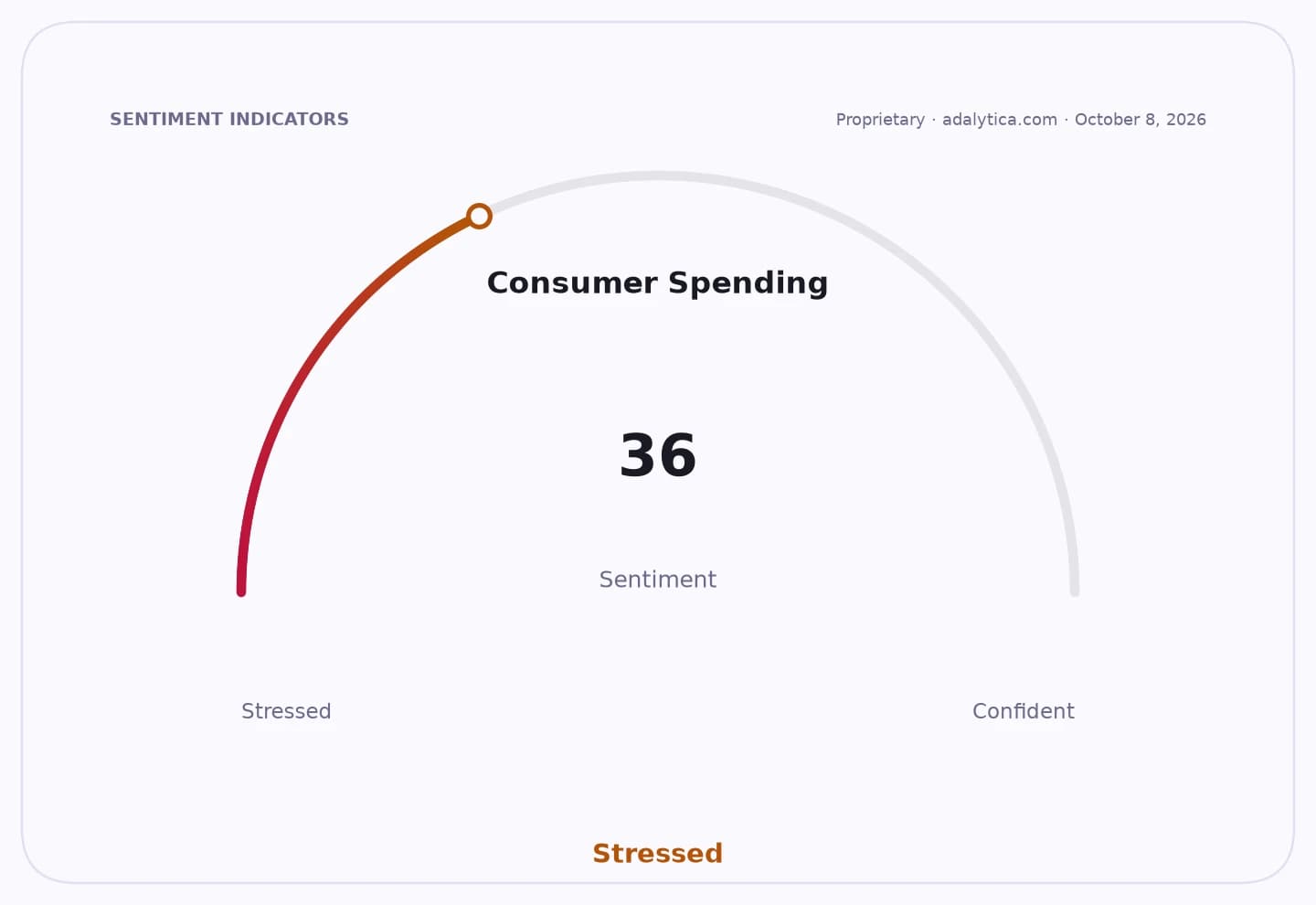
Sentiment IndicatorsⓘProprietary · adalytica.com · October 8, 2026
This is a snapshot — live sentiment, awareness and momentum for 130+ markets update continuously in the dashboard.Open AlphaPulse

The central bank had previously pencilled in 5.0% inflation for the year. Its new projections point to 4.9% in the October-December quarter, 6.0% in the January-March period and 5.7% in the final quarter of the fiscal year, with inflation seen at 5.6% in the first quarter of the next fiscal year. Core inflation, excluding precious metals, rose to 2.9% in August, underscoring that price pressures are no longer confined to food and fuel.
That backdrop helps explain why the RBI’s Monetary Policy Committee unanimously raised the repo rate by 25 basis points to 5.5% and shifted its stance from neutral to “carefully calibrated tightening”. For borrowers, that raises financing costs and may delay any relief in loan rates. For bond investors, it reduces the likelihood of near-term policy easing and supports higher real yields if inflation proves persistent.
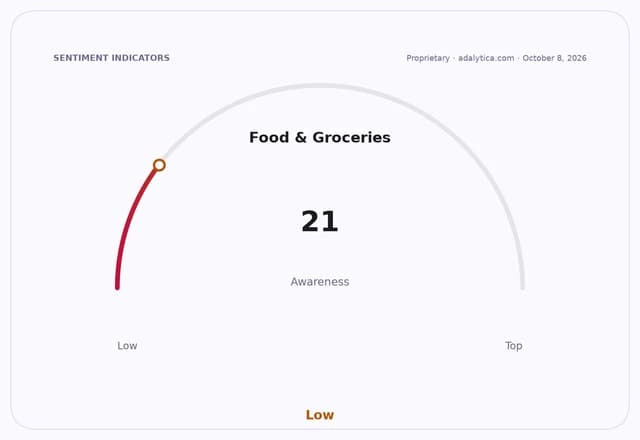
The inflation warning also arrives as food prices accelerate in items such as sugar and onions, while fuel inflation climbed in August on adverse base effects. Brent-related oil volatility and weak monsoon output matter not just for household budgets but for corporate margins, transport costs and rural purchasing power, all of which feed into growth.
For equities, the implications are mixed. Banks and rate-sensitive sectors face a tougher rate environment, while consumer staples and companies with strong pricing power may hold up better if input costs keep rising. Import-dependent sectors are also more exposed if oil remains volatile.
The market message is that India’s disinflation trade has become less convincing. If food inflation broadens further or crude stabilises at a higher range, the RBI may have to keep policy tighter for longer. That would support the rupee and government bond yields in the near term, but it would also make it harder for growth-sensitive assets to re-rate aggressively.
| Entity | Gains | Losses |
|---|---|---|
| RBI / policymakers | ▲Inflation credibility | ▼Rate-cut flexibility |
| Bond investors / savers | ▲Higher yields | ▼Easy-money bets |
| Banks | ▲Wider lending spreads | ▼Loan demand |
| Consumers / borrowers | ▲— | ▼Higher borrowing and food costs |