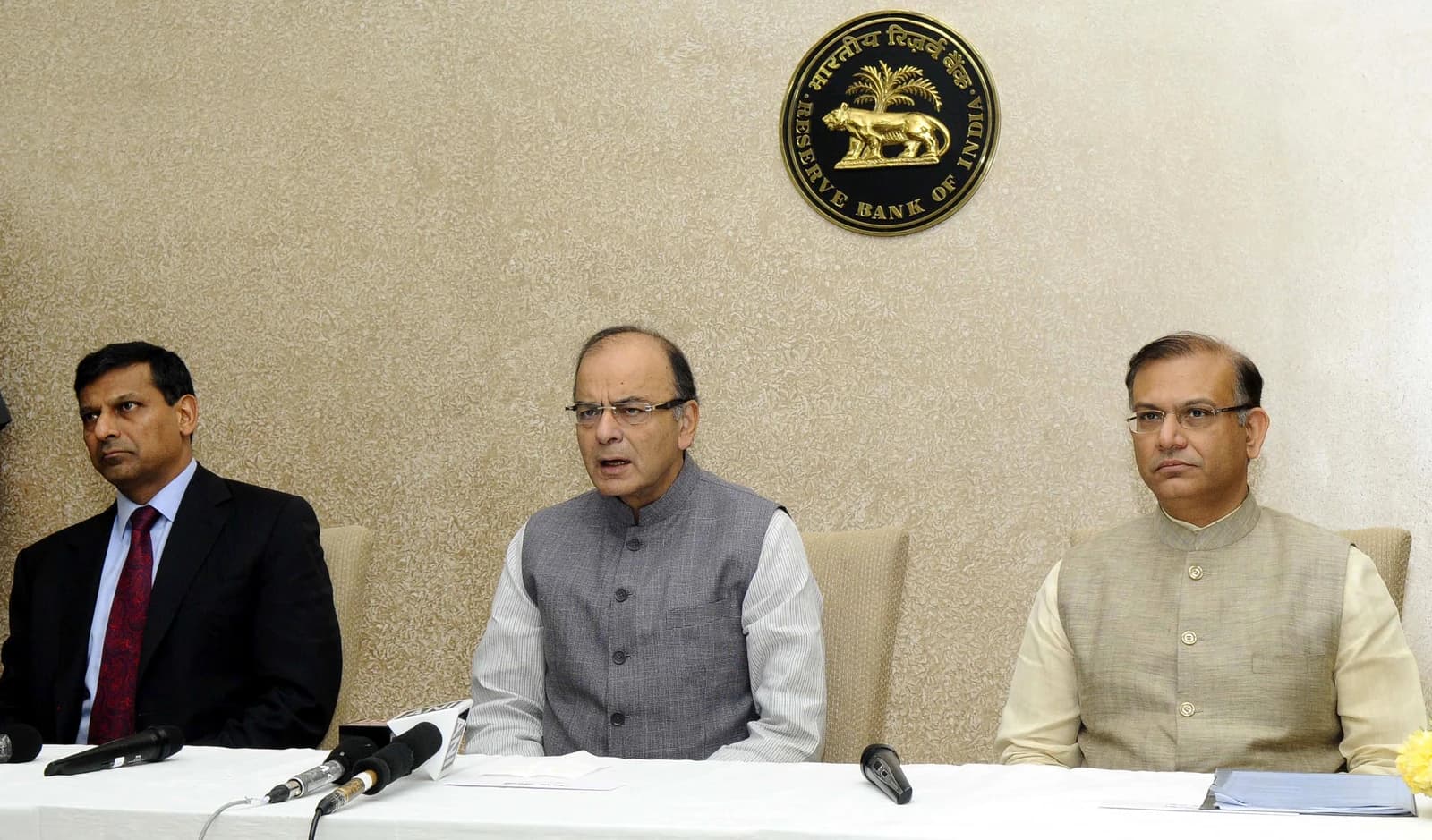
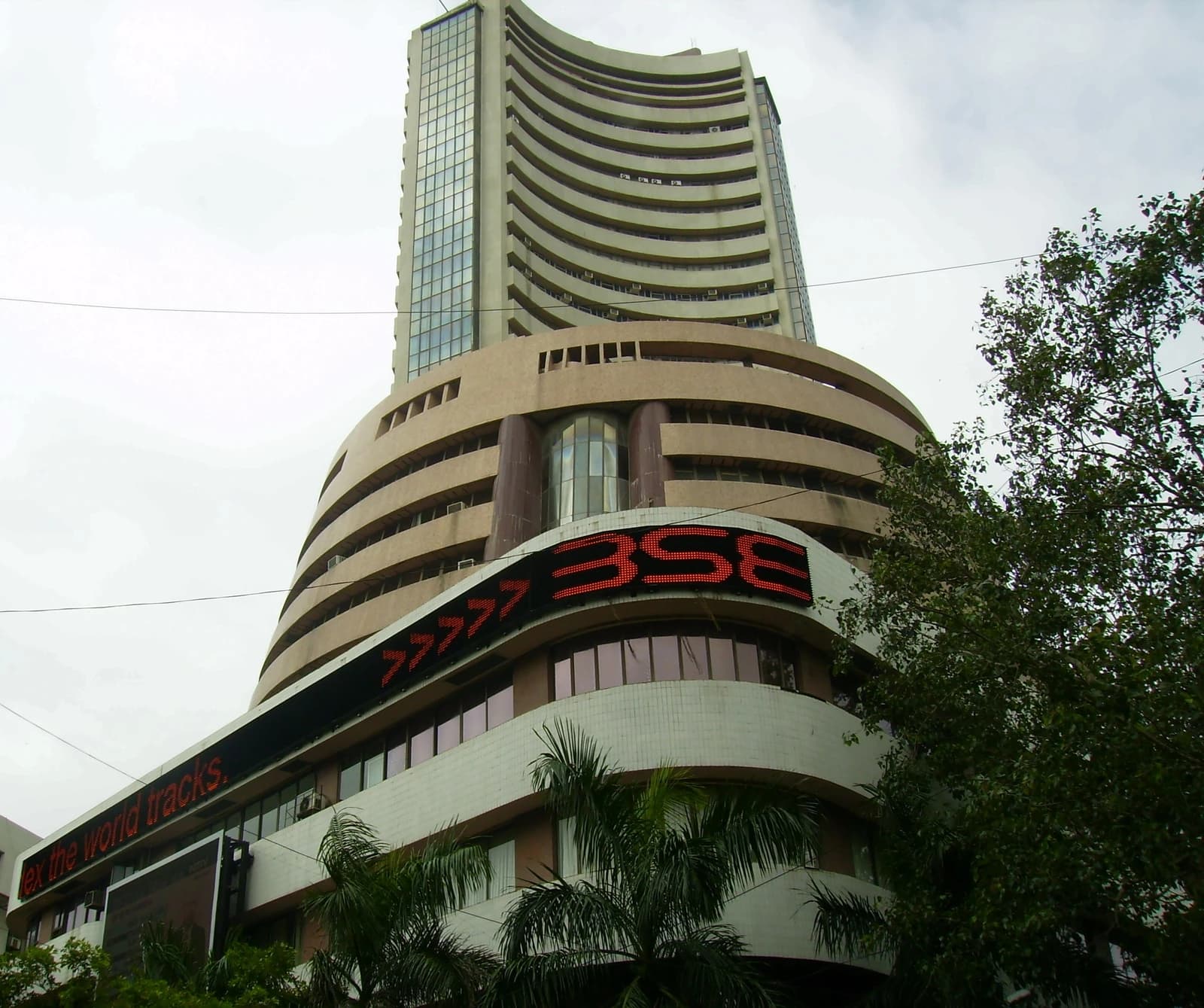
India’s central bank is expected to keep markets guessing on Wednesday as economists split over whether it will start raising rates now or wait until December, with inflation risks, elevated global yields and a softer rupee forcing the Reserve Bank of India to choose between protecting prices and preserving growth.
RBI Rate Decision Could Start Tightening Cycle
The Monetary Policy Committee meets against a backdrop that has become less forgiving for emerging-market central banks. The RBI held its repo rate at 5.25% in August and stayed neutral, but the case for tightening has strengthened as economists point to a possible 75-basis-point cycle and warn that CPI inflation could climb above 5% in FY27 if monsoon weakness and crude near $100 a barrel keep feeding import costs.
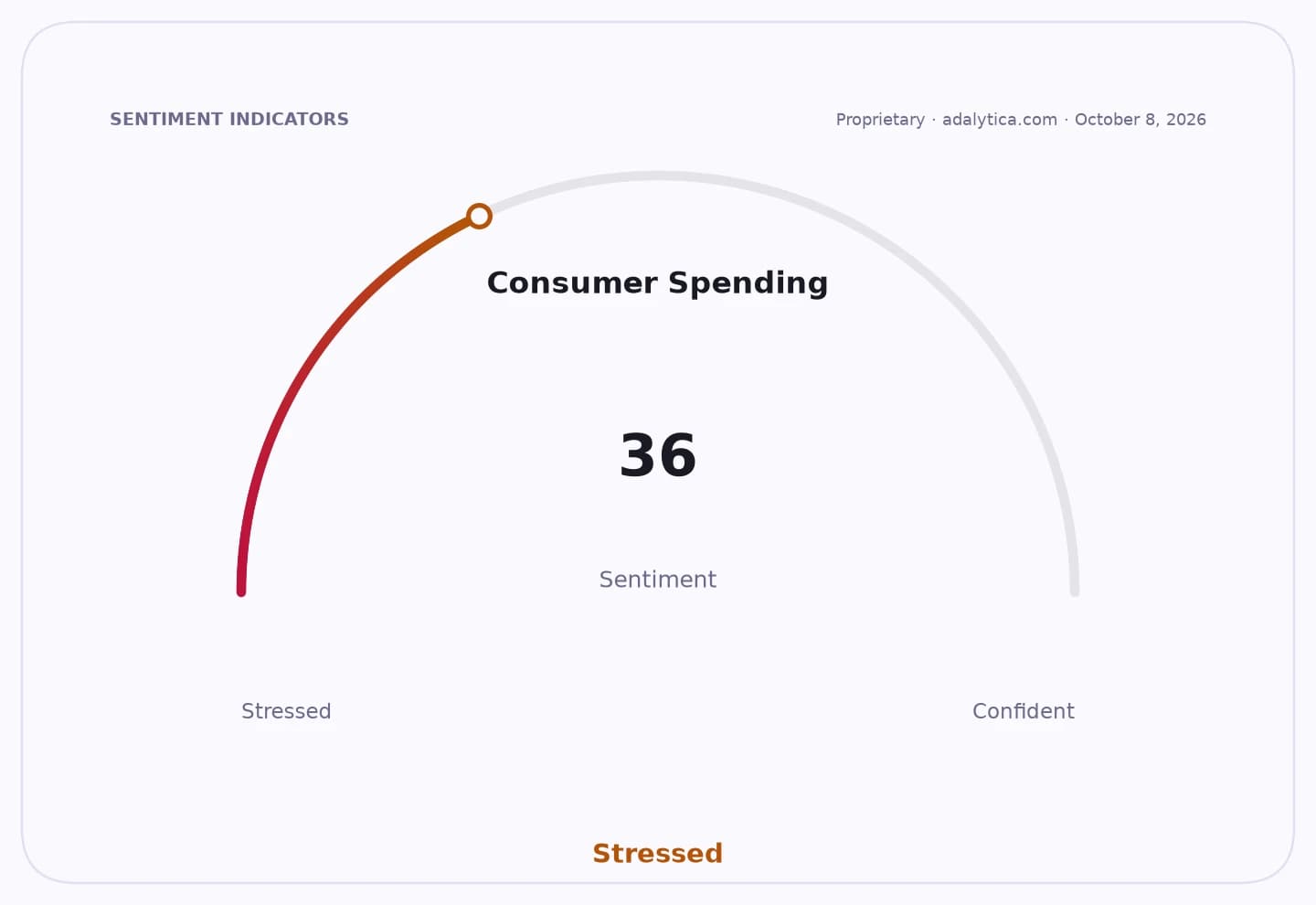
Sentiment IndicatorsⓘProprietary · adalytica.com · October 8, 2026
This is a snapshot — live sentiment, awareness and momentum for 130+ markets update continuously in the dashboard.Open AlphaPulse
For investors, the decision matters well beyond the headline rate. A quicker tightening path would support the rupee and help anchor inflation expectations, but it would also raise borrowing costs for companies and households at a time when domestic growth is still carrying the policy debate. A delay, by contrast, could keep liquidity loose for longer, but risk more pressure on prices and the currency if the Federal Reserve and other major central banks keep global financing conditions tight.
Economists are divided on timing. Crisil’s Dharmakirti Joshi expects an immediate 25-basis-point increase, arguing that strong domestic growth and rising global rates make a policy turn likely. Bank of Baroda’s Madan Sabnavis sees one more pause before a tightening cycle beginning in December, while Deloitte’s Rumki Majumdar said the RBI may prefer to wait until later in the year as it weighs robust credit growth against inflation and higher overseas yields.
FEDFUNDS vs CPIAUCSL — macro contextadalytica.com
Explore this data interactively — full history, time series and cross-market comparisons.Open AlphaPulse
The external backdrop is doing much of the work. The Fed has already raised rates by 25 basis points and US 10-year yields are still above 5.3%, a combination that leaves India vulnerable to capital-flow shifts and sharp moves in the currency. The rupee was trading at 96.4200 per dollar at the time of filing, underscoring why the RBI’s next move matters for import costs, bond markets and foreign investor confidence.
Liquidity is another complication. The RBI’s special forex swap facility has drawn $132.98 billion through FCNR(B) deposits as of Aug. 31, adding to surplus liquidity that may eventually need to be absorbed. That gives policymakers more room to manage conditions, but also makes the eventual tightening cycle harder to delay if inflation stays sticky.
The market read-through points to a policy pivot, not a pause in volatility. India-focused ETFs have already been under pressure, with INDA and EPI both trading below their 50-day and 200-day moving averages, while the broad China-trade proxy FXI also remains weak, reflecting wider emerging-market caution as dollar yields stay high.
Wednesday’s statement will set the tone for the rest of the year: a surprise hike would signal the RBI is prioritizing inflation and currency stability now, while a hold would push the tightening debate into December and leave traders focused on how quickly global rate pressure spills into India.
| Entity | Gains | Losses |
|---|---|---|
| RBI / rupee bulls | ▲Inflation anchor, currency support | ▼Less room for easy policy |
| Borrowers / growth sectors | ▲Lower financing costs, easier credit | ▼Higher rates if tightening starts |
| Bondholders / savers | ▲Better real returns if rates rise | ▼Mark-to-market losses on duration |
| Importers / oil-sensitive firms | ▲Cheaper funding if RBI waits | ▼Higher costs if rupee weakens |