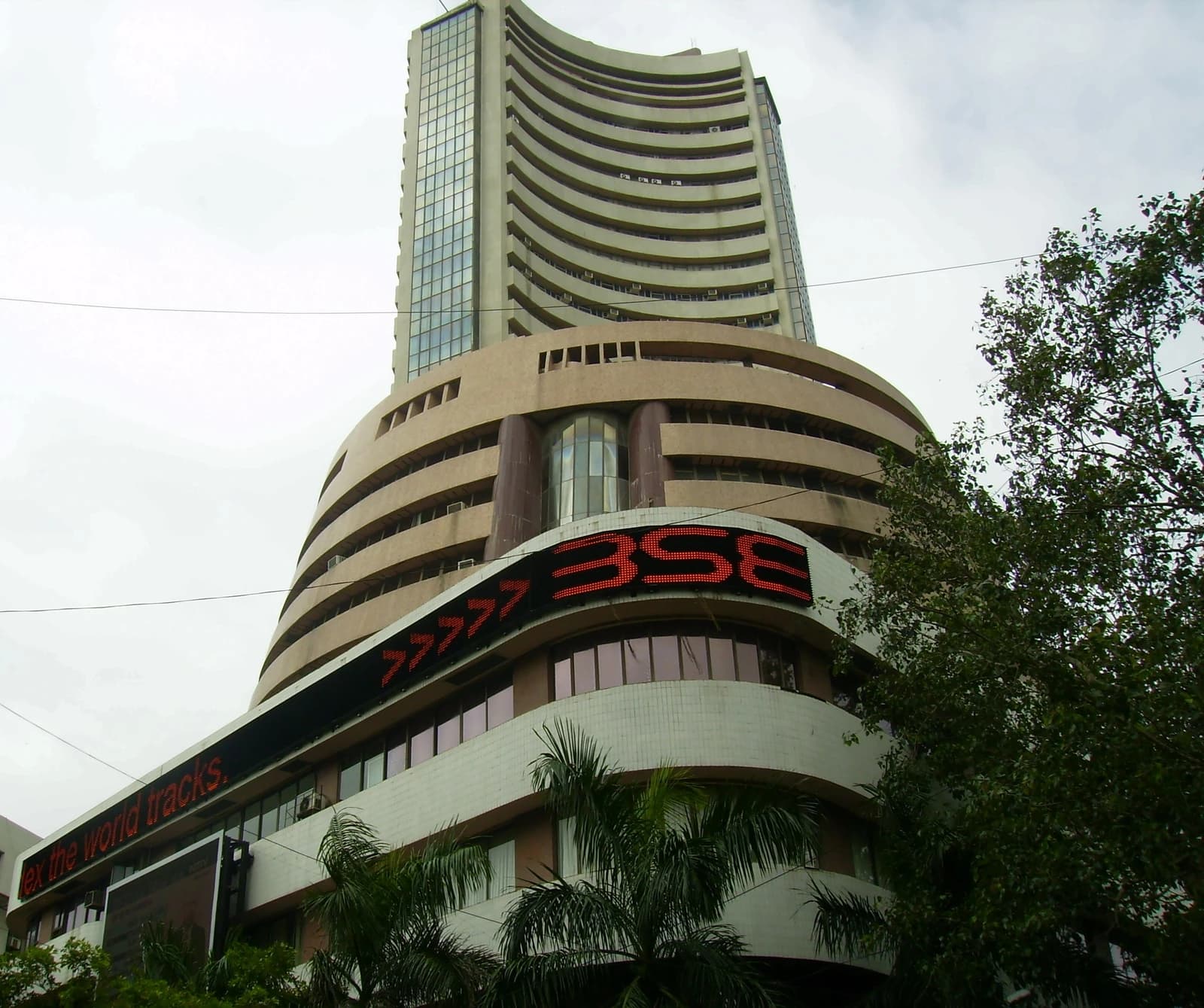
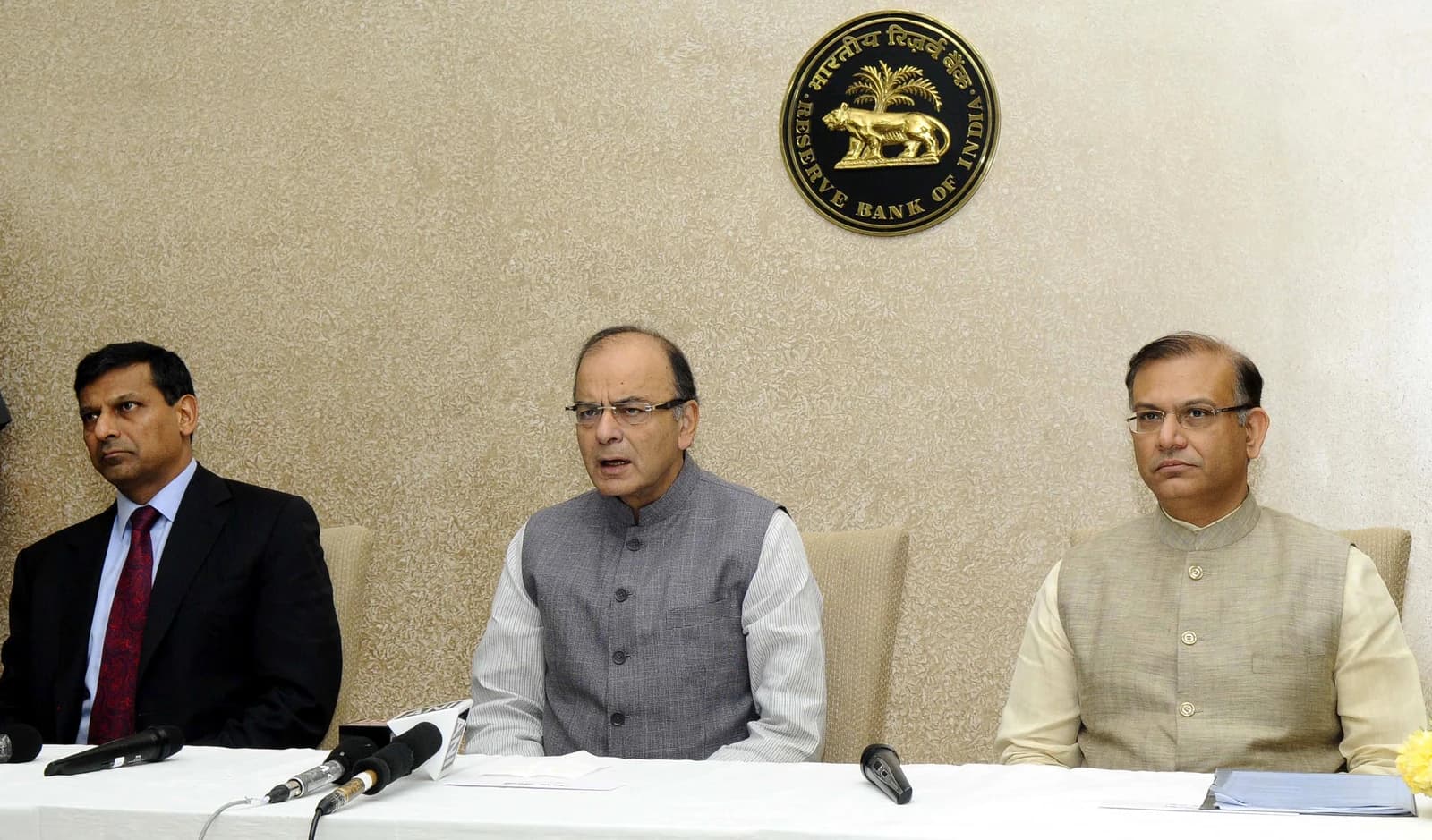
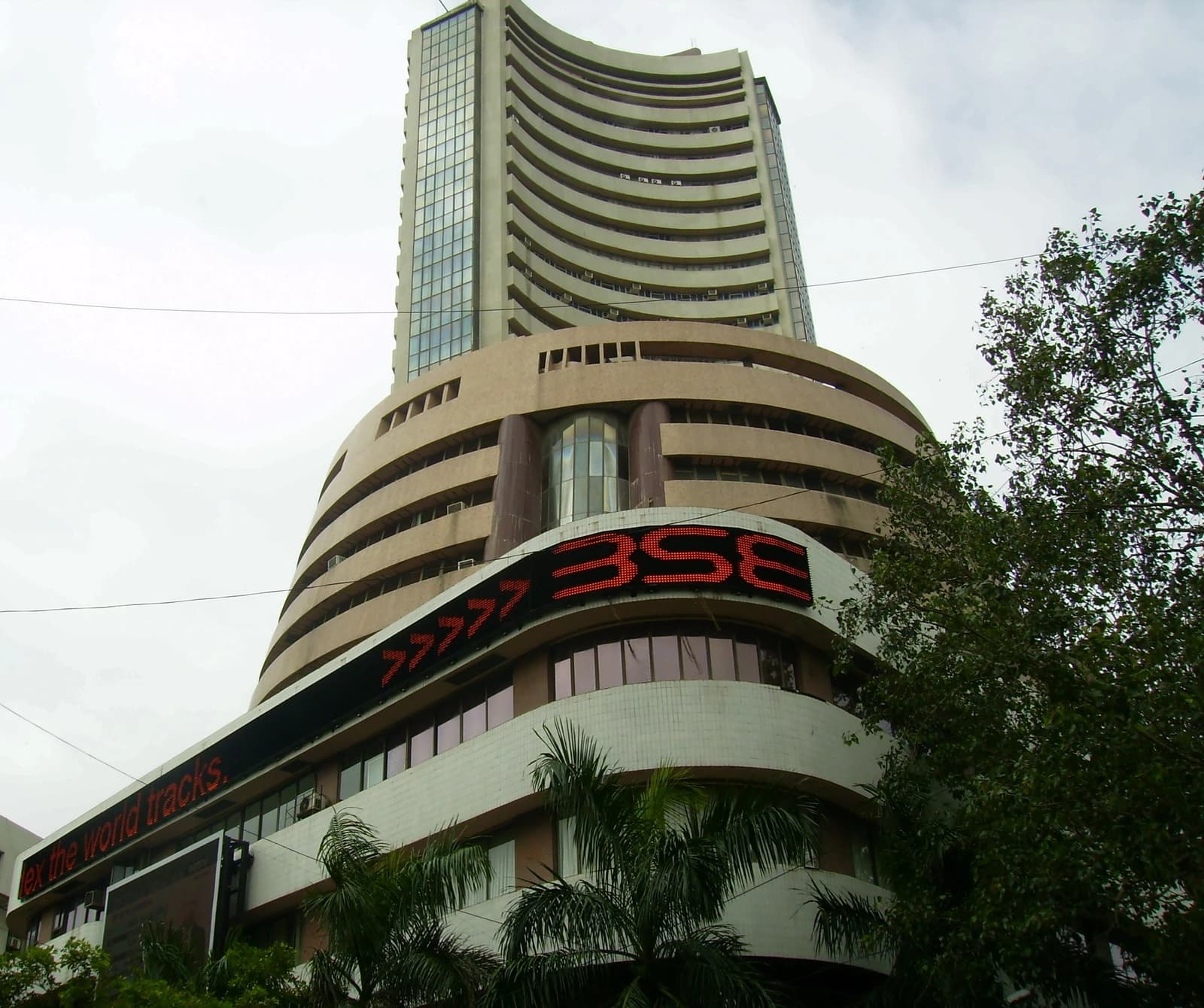
Indian stocks opened lower on Wednesday even as global equities held firm, with investors choosing to discount a jump in crude prices, elevated bond yields and the Reserve Bank of India’s policy decision later in the day.
Indian stocks open lower on crude and RBI concerns
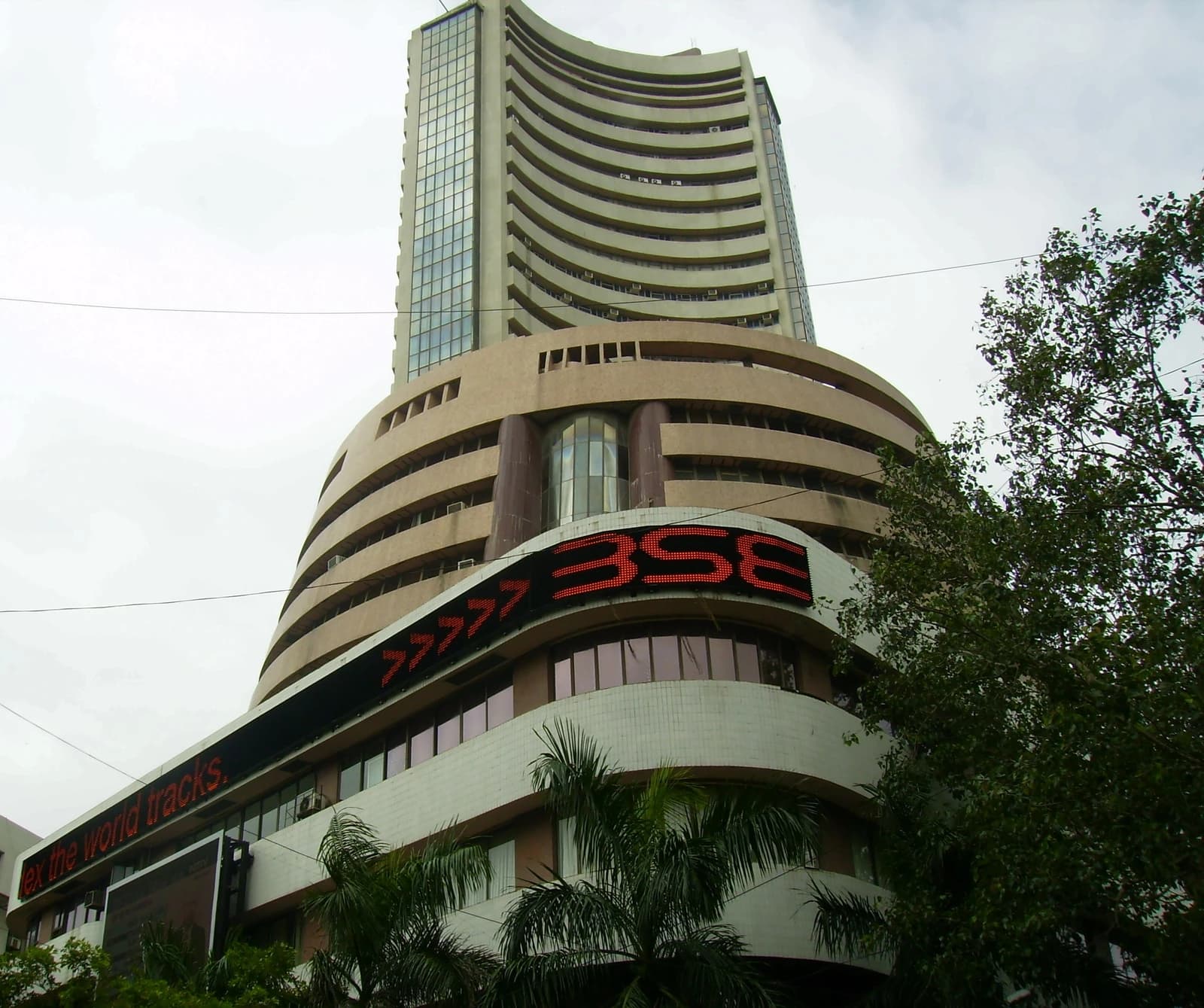
The Sensex fell 433.39 points, or 0.59%, to 72,634.42 by 9:16 a.m., while the Nifty 50 dropped 171.45 points, or 0.75%, to 22,604.65. The weak start came despite overnight gains on Wall Street and higher Asian markets, underscoring how domestic rate, inflation and energy risks are dominating the local setup.
Sentiment IndicatorsⓘProprietary · adalytica.com · October 8, 2026
This is a snapshot — live sentiment, awareness and momentum for 130+ markets update continuously in the dashboard.Open AlphaPulse
Oil is the biggest near-term pressure point. Brent crude rose above $101 a barrel after Houthi attacks on Saudi sites and fresh concerns over US hurricane damage to production, while WTI traded near $90.27. That matters for India because higher crude feeds directly into import costs, inflation and the current account, just as August CPI already ran at 4.82%.
Bond markets are adding to the strain. The US 10-year Treasury yield remains above 5%, Japan’s 10-year yield is above 3% and traders are bracing for a more hawkish RBI stance, with many expecting the central bank to tighten policy for the first time since February 2023. Rising global yields tend to tighten financial conditions worldwide and can pull money out of risk assets, including Indian equities.
Market breadth was weak at the open, with rate-sensitive and defensive names under pressure. Titan, SBI Life, Asian Paints, Bajaj Auto and Maruti were among the early losers, while Dr Reddy’s, Coal India, Bharti Airtel and Cipla held up better. Jefferies said large-cap valuations now look more attractive relative to earnings growth, but that argument has not been enough to offset the macro overhang in the near term.
For investors, the key question is whether the RBI surprises with a rate hike and how aggressively it signals future tightening. A firmer policy path, combined with expensive crude and sticky global yields, would keep pressure on domestic equities and particularly on consumption, autos, financials and other rate-sensitive sectors.
| Entity | Gains | Losses |
|---|---|---|
| Crude exporters / oil bulls | ▲Higher prices support revenues | ▼India’s import bill and inflation |
| RBI hawks / rate-sensitive traders | ▲Tighter policy expectations validated | ▼Borrowers and equity multiples |
| Large-cap defensives | ▲Relative valuation support | ▼Cyclical and consumption stocks |
| Indian equity bulls | ▲Supportive global backdrop | ▼Domestic market sentiment |