Turkey’s official November rent increase cap has been set at 31.23%, a reminder that inflation is still feeding directly into household costs and landlord income even as price growth eases from earlier peaks.
Turkey November Rent Cap Set at 31.23%

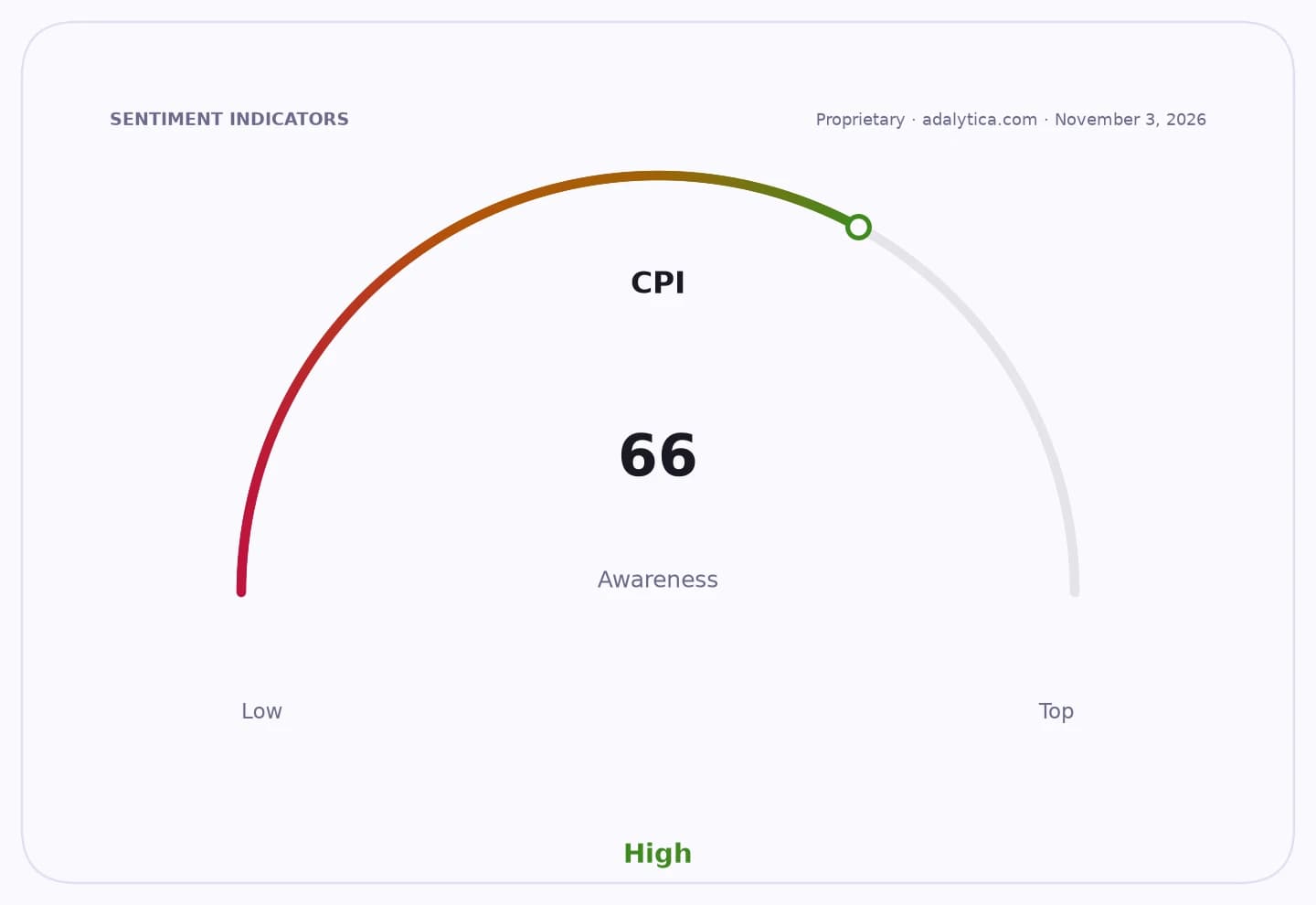
The rate was calculated from October consumer prices, which rose 2.58% on the month and 29.77% from a year earlier, according to Turkey’s statistics office. For a tenant paying 30,000 lira a month, the new ceiling implies an extra 9,369 lira and a revised rent of 39,369 lira. That is a meaningful jump for consumers already facing tight budgets, and it shows why housing remains one of the most sensitive channels for inflation to hit the real economy.
Sentiment Indicators
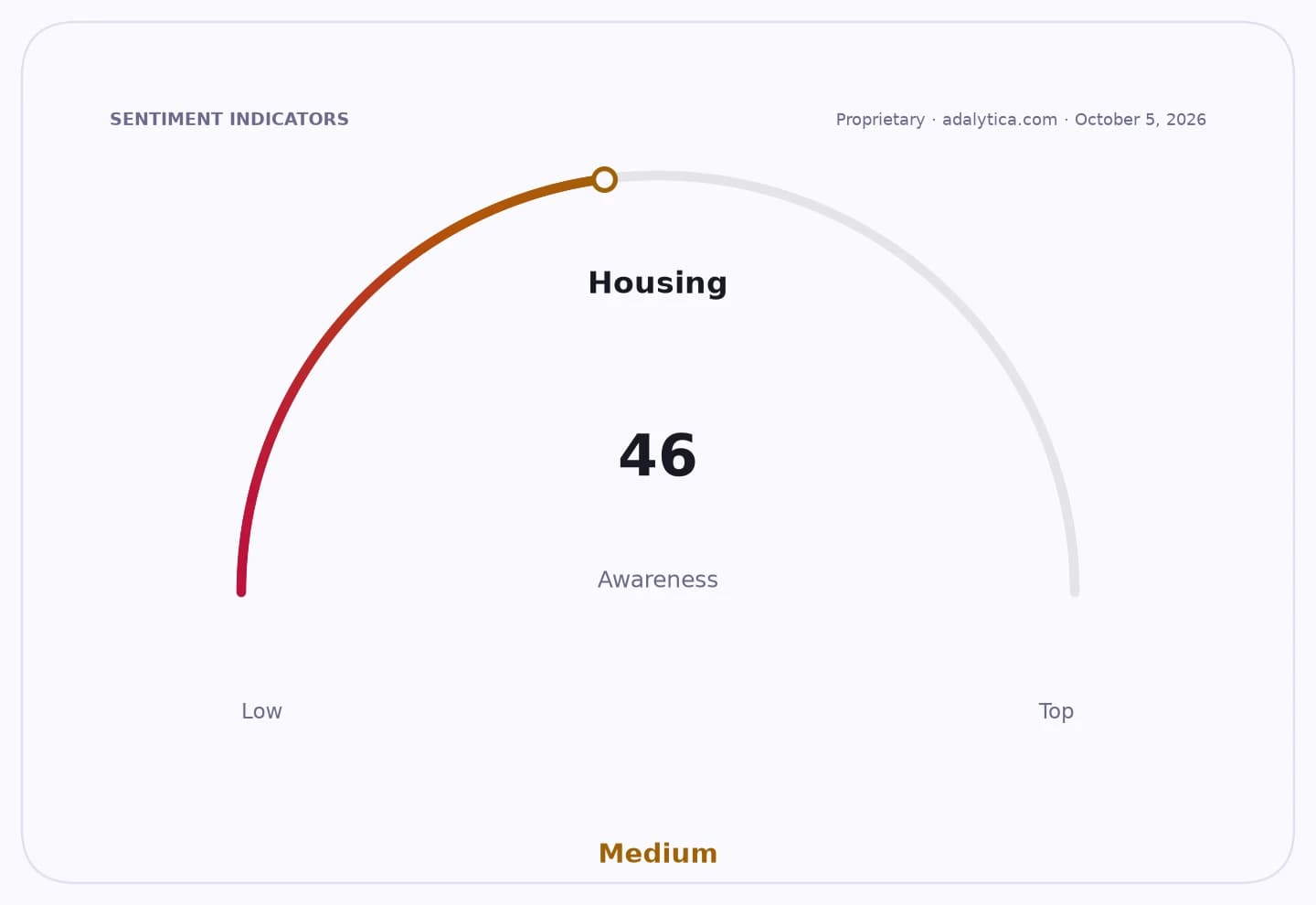
Housing
For investors, the bigger takeaway is that inflation-linked housing adjustments continue to protect nominal rental income, but they also reinforce how sticky Turkey’s cost environment remains. The November increase is slightly lower than the October cap and below the start-of-year pace, yet it is still high enough to keep pressure on disposable income, consumption and household savings. In other words, even when inflation cools, it can stay painful for a long time.
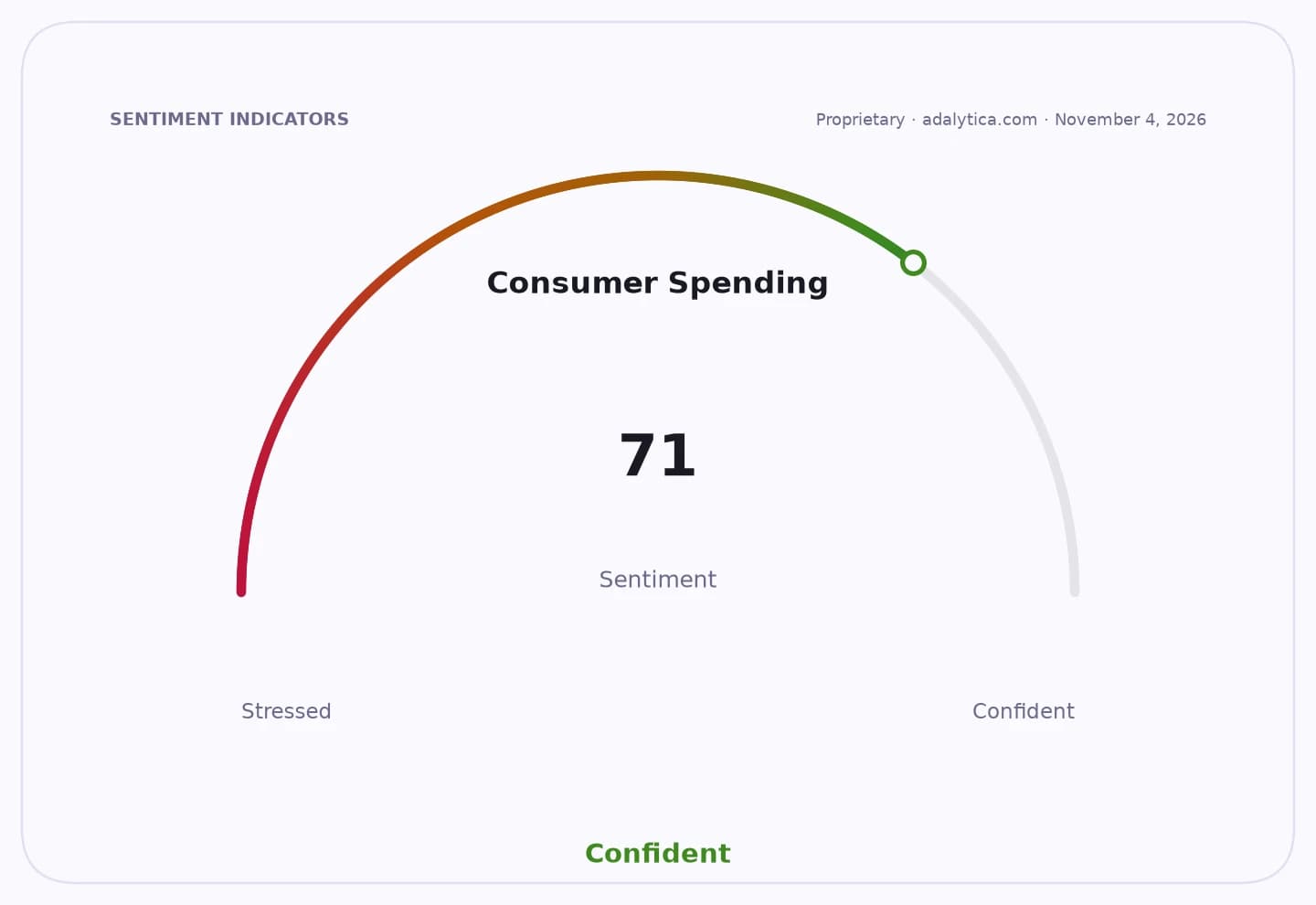
That matters across the market. Higher rent burdens can weigh on consumer spending, but they can also support owners of rental property and listed residential landlords whose revenues are tied to lease resets. The latest move also keeps inflation expectations front and center for anyone watching Turkey’s rate path, currency stability and broader domestic demand.
Housing
The long-term story is simple: as long as rent changes remain indexed to CPI, inflation data will keep driving one of the most important monthly cost resets in the Turkish economy. For households, that means less breathing room. For property owners, it means nominal income protection, though not necessarily a stronger real return if inflation stays elevated.
Investors should keep this on the watchlist. A steady cooling in CPI would eventually ease the pressure, but for now Turkey’s rent formula is still telling the same story: inflation remains the key force shaping both consumer finances and rental markets.
| Entity | Gains | Losses |
|---|---|---|
| Landlords | ▲Higher nominal rent income | ▼If tenants struggle to pay |
| Tenants | ▲— | ▼Larger monthly housing bills |
| Rental property owners | ▲Inflation-linked revenue protection | ▼Real returns if inflation stays high |
| Turkish consumers | ▲— | ▼Less disposable income |