A sudden near-20% rent increase at Malmö’s Kronprinsen tower is putting a spotlight on how tight rental markets can still hit long-term tenants with little warning, even after nearly two decades in the same home.
Malmö Kronprinsen Tower Rent Rises Nearly 20%
For Afshan Rabii and Mikael Jonsson, who have lived in the apartment for 19 years, the size of the increase was startling enough to raise questions about the balance of power between landlords and tenants in Sweden’s regulated housing system. The couple says the reason for the jump has not been explained, leaving residents to infer that the decision may reflect a broader recalibration of rents rather than a simple annual adjustment.
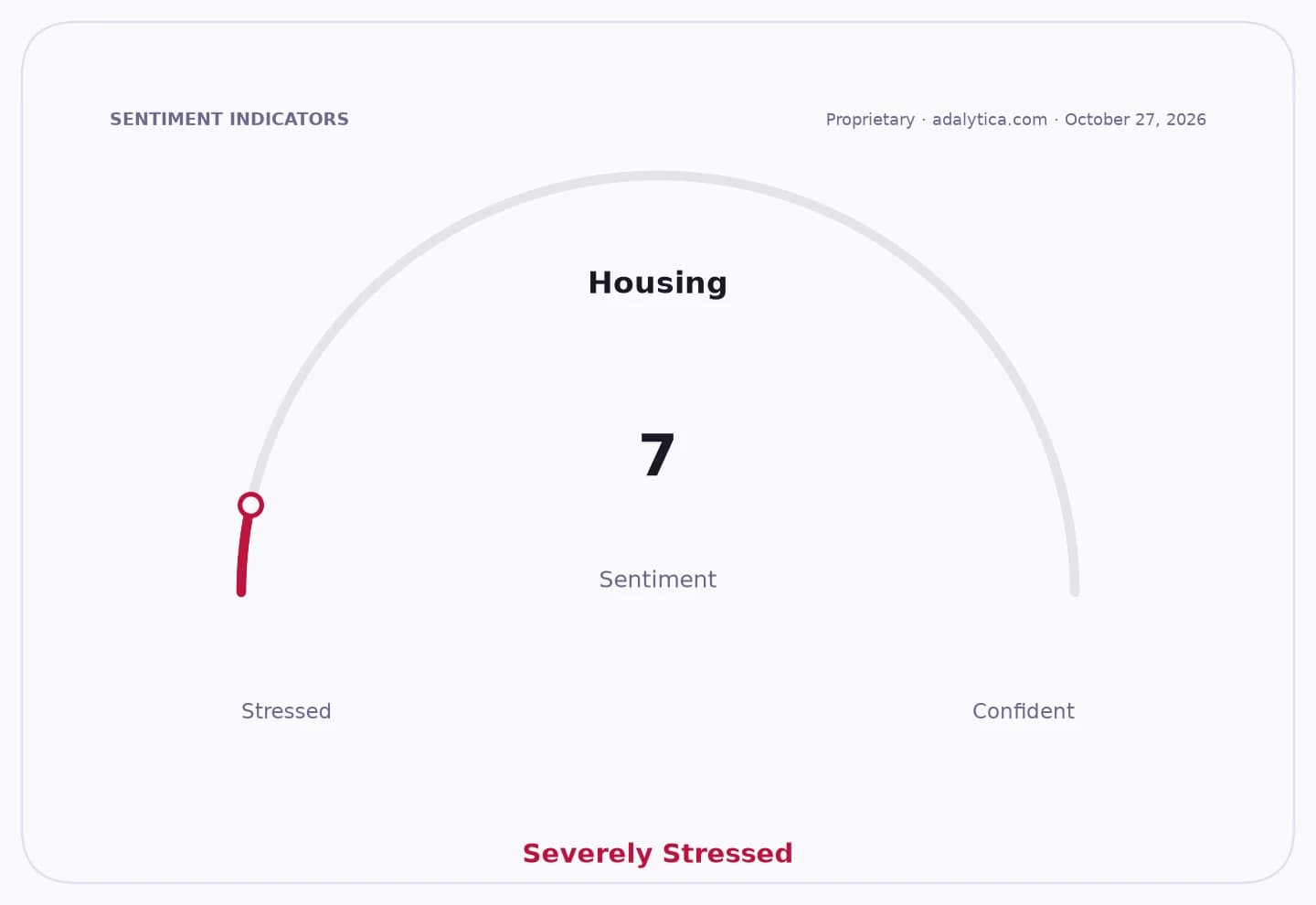
Sentiment Indicators
That matters economically because rent is one of the most visible and persistent channels through which inflation reaches households. When housing costs rise sharply, disposable income falls, and the effect is typically strongest on lower- and middle-income renters who have the least flexibility to move or absorb higher monthly bills. The increase also feeds into expectations around broader shelter inflation at a time when housing affordability is already under pressure in many developed markets.
The episode comes amid evidence that rental stress is not isolated. Housing and rent measures in the United States have stayed elevated in recent years, with CPI shelter and house-price data showing how sticky accommodation costs can be even as other price pressures ease. In the apartment sector, large landlords have also reported that turnover, occupancy and renewal pricing remain critical drivers of revenue, while warning that demand can soften if households are squeezed by broader macro conditions.
For investors, the story is a reminder that rental markets can reprice quickly when supply is constrained and landlords regain pricing power. That supports apartment owners’ revenue growth in the near term, but it also raises the risk of political backlash, tighter rent regulation and higher tenant delinquency if increases outrun wage growth. The sharp move in Kronprinsen is therefore not just a local dispute; it is a case study in how housing scarcity can transfer inflationary pressure directly to households and eventually into policy debate.
The key question now is whether this is an isolated landlord decision or a sign of wider repricing across Swedish rental stock. If similar increases spread, tenants could face a broader affordability squeeze, while policymakers and housing operators come under pressure to justify how much room the market should have to reset rents.
| Entity | Gains | Losses |
|---|---|---|
| Landlords | ▲Higher rental income | ▼Tenant pushback |
| Tenants | ▲None | ▼Higher monthly costs |
| Housing operators | ▲Stronger pricing power | ▼Regulatory scrutiny |
| Policymakers | ▲Pressure for reform | ▼Less affordable housing |