A millionaire saying she proudly rents is more than a personal-finance quirk — it is a blunt reminder that housing has become a lifestyle decision for many Americans, not the automatic first rung of wealth.
U.S. Housing Affordability Supports Rental Demand
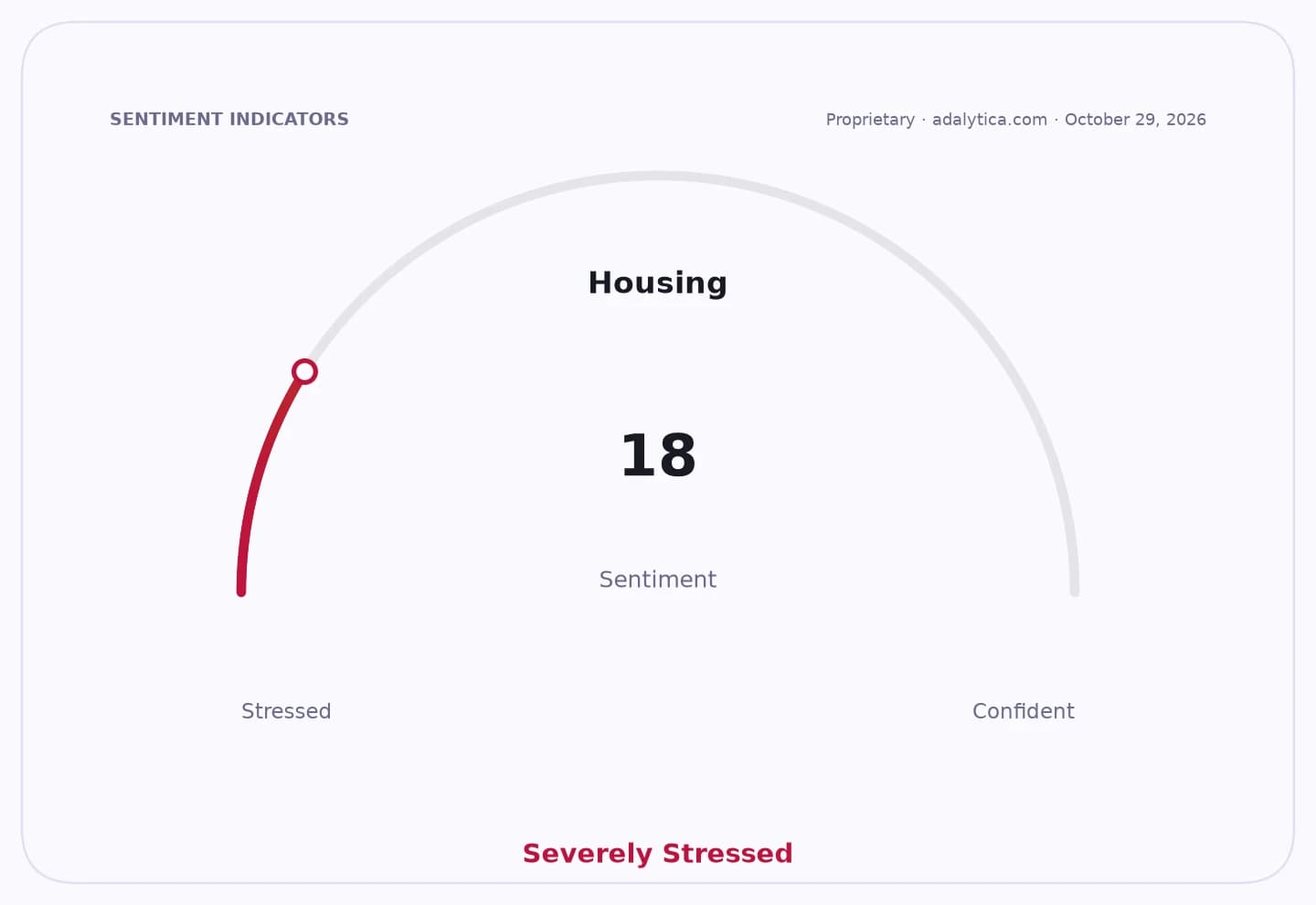
Haley Sacks, the creator behind Mrs. Dow Jones, says she would only buy a home as “a lifestyle choice, never as an investment choice,” even though she hopes to own a house outside New York City one day. Her point lands because the economics have changed so sharply. Housing prices have outrun incomes for years, and the gap is still wide enough that millions of would-be buyers are being pushed toward renting, delaying family formation or stretching for riskier ways to build wealth.
Sentiment Indicators
That matters because the old American Dream playbook assumed homeownership was the default path to financial adulthood. It is increasingly not. Between 2019 and 2024, the median U.S. home value rose 30% after inflation, while median income for households headed by someone under 40 rose just 9%, according to Pew Research Center. Zillow says a household needed about $121,500 a year by September 2026 to afford a typical home with a 10% down payment and a 30-year mortgage, versus about $77,300 for a typical rental. Those numbers help explain why a growing share of younger adults are choosing flexibility over permanence, or simply cannot make the math work.
For investors, this is not just a cultural story. It is a capital-allocation story. If housing is less attainable, more households stay in the rental market longer, which supports the long-term economics of apartment landlords and single-family rental owners. That is a tailwind for firms such as American Homes 4 Rent and Invitation Homes, which benefit when demand for lease housing stays resilient and rent growth outpaces inflation. AMH’s own filings show higher rental rates continuing to lift revenue, while its shares and those of peers have traded with the same broad housing affordability debate.
CSUSHPINSA vs HOUST — macro contextadalytica.com
Explore this data interactively — full history, time series and cross-market comparisons.
At the same time, Sacks is putting her finger on a behavioral risk that investors should not ignore. When people feel priced out of homeownership, they often start reaching for faster paths to wealth — from crypto to prediction markets — which can turn frustration into poor decision-making. That’s the hidden cost of an unaffordable housing market: it doesn’t just change where people live, it changes how they invest.
The long-term takeaway for investors is simple: the housing shortage and affordability squeeze are not going away quickly, and that creates winners and losers. Renters gain flexibility, rental landlords gain pricing power, and first-time buyers lose ground unless wages finally catch up or borrowing costs fall enough to reset the math. For patient investors, rental housing remains a durable theme worth watching — especially if you think this affordability reset will last for years, not quarters.
| Entity | Gains | Losses |
|---|---|---|
| Renters | ▲Flexibility, lower upfront costs | ▼Less ownership equity |
| Single-family rental landlords | ▲Steady demand, rent growth | ▼Less upside if buying returns |
| First-time homebuyers | ▲Potentially more time to save | ▼Higher barriers to entry |
| Risky speculators | ▲None, if they stay disciplined | ▼Impulse-driven losses |