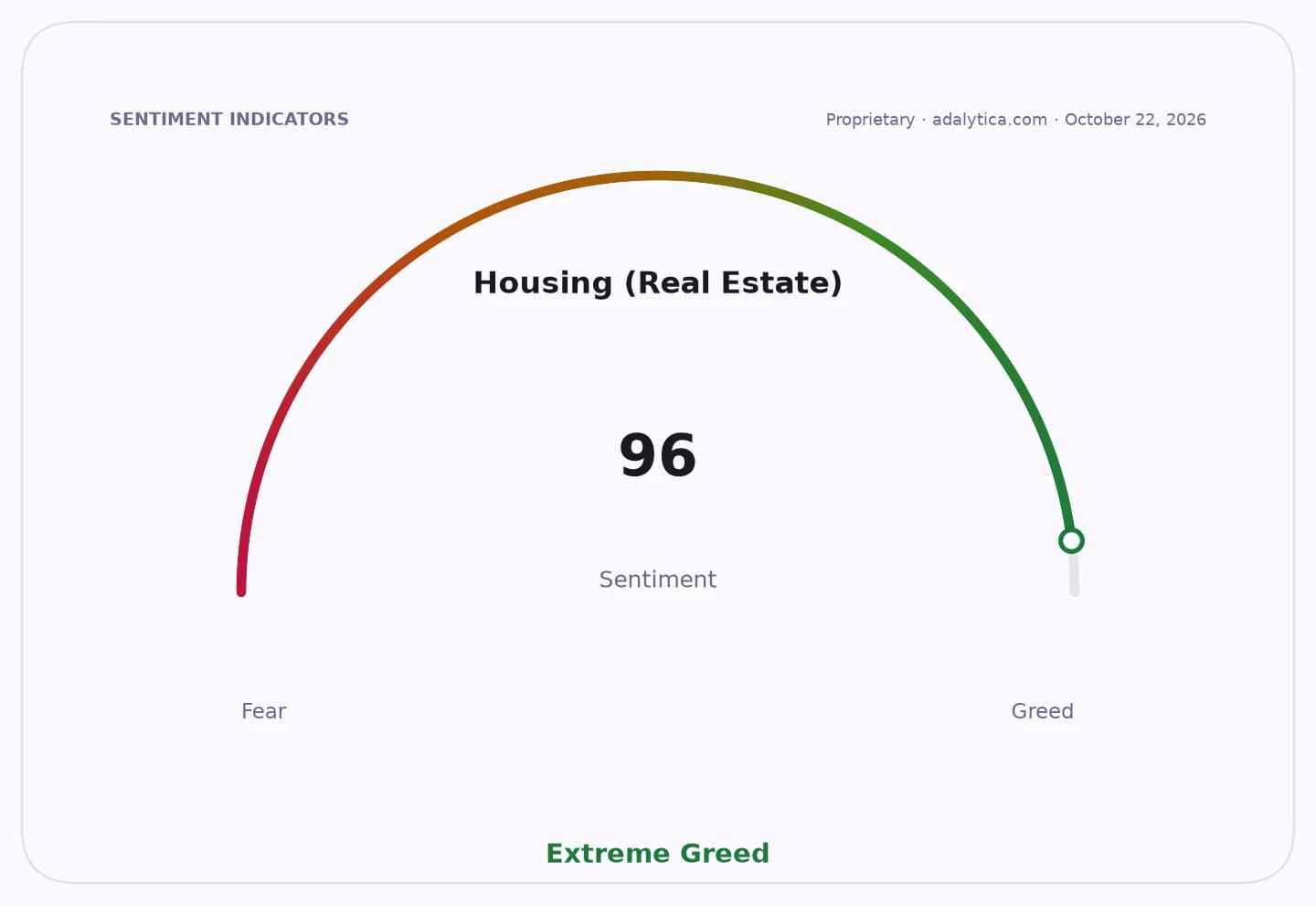
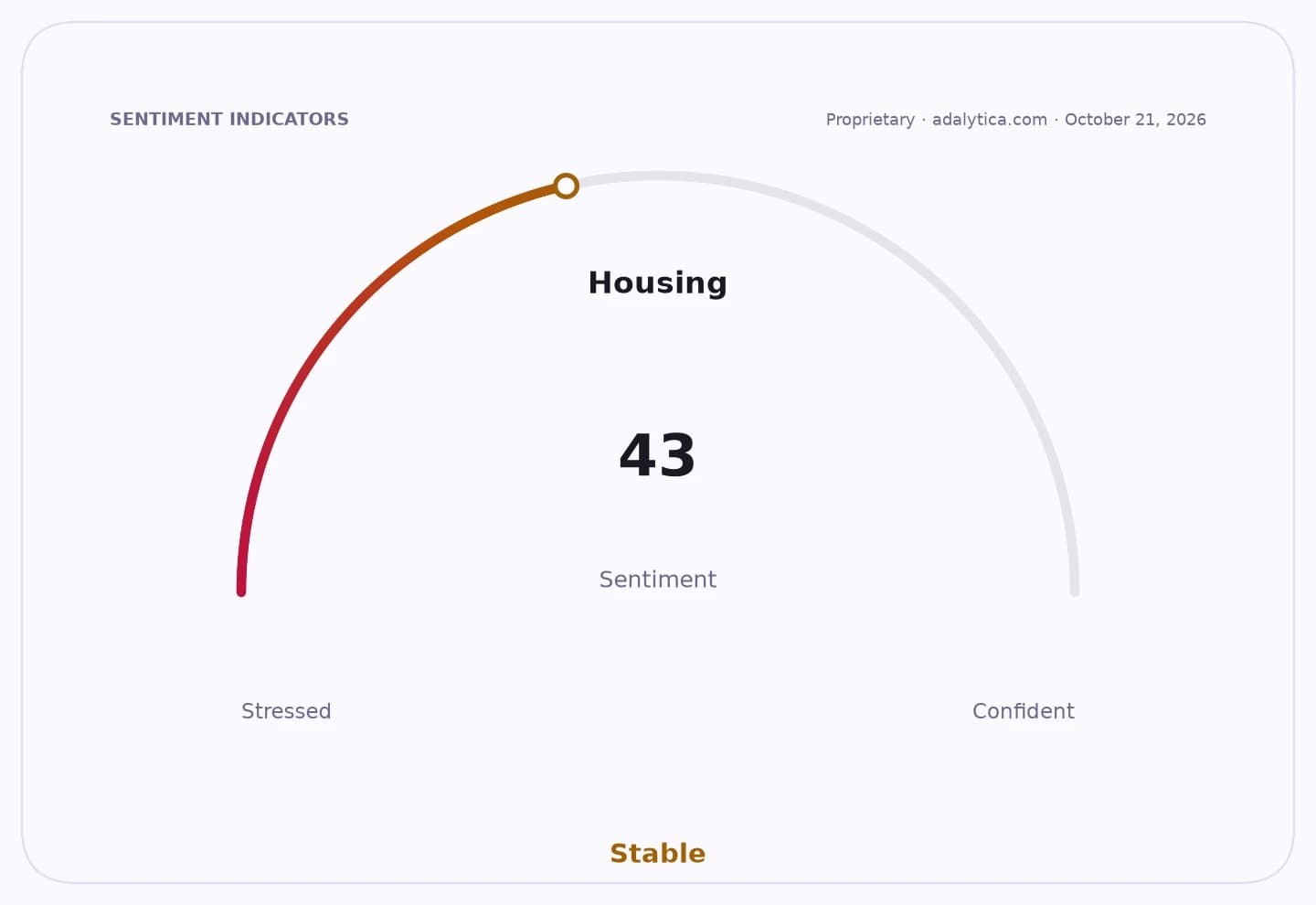
Charleston’s priciest home on the market is asking $35 million for an 1803 mansion, a reminder that the top end of the U.S. housing market can keep stretching even as broader real-estate conditions soften.
Charleston Mansion Lists for $35 Million
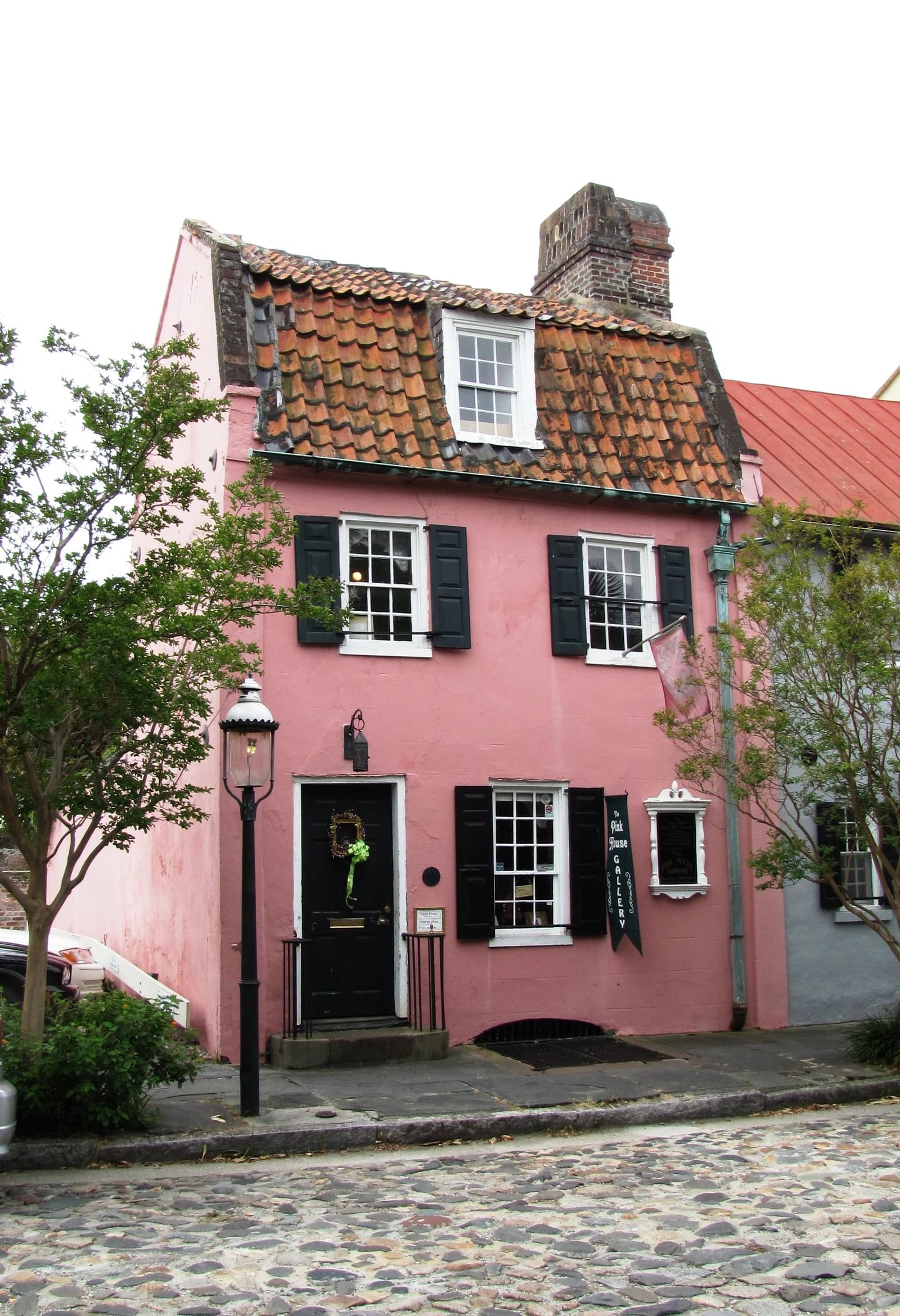
That matters because luxury listings do not move in lockstep with the average homebuyer. The benchmark Case-Shiller U.S. home-price index is still hovering around 337, near record territory, but it has largely flattened over the past year, while new home sales have been volatile and well below the pace seen in stronger years. In other words, the national housing market looks more like a high plateau than a fresh boom, and the only places still showing real pricing power are the rare, trophy properties with irreplaceable locations and historic cachet.
Sentiment IndicatorsⓘProprietary · adalytica.com · October 24, 2026
This is a snapshot — live sentiment, awareness and momentum for 130+ markets update continuously in the dashboard.Open AlphaPulse
Charleston is a good example of that split. A centuries-old home with preservation value, coastal appeal and scarcity built into the asset can command a price that has little to do with mortgage rates alone. Buyers at this level are often less rate-sensitive, more cash-rich and more focused on lifestyle, preservation and long-term scarcity than on monthly payments. For investors in the housing ecosystem, that distinction matters: the ultra-luxury segment can stay resilient even when the broader market is constrained by affordability, tighter credit and cautious consumer sentiment.
The backdrop is not exactly friendly for housing. The 10-year Treasury yield is above 5%, a level that keeps pressure on mortgage costs and limits how much buyers can stretch. Yet the Case-Shiller index forecast still points modestly higher, suggesting home values are not collapsing — just losing momentum. That is the environment in which exceptional properties can continue to post eye-popping asking prices, while ordinary homes face more negotiation and longer selling times.
For long-term investors, the lesson is simple: the Charleston mansion is not a sign that all real estate is booming, but it does underline the power of scarcity. Historic homes in premier markets can hold value remarkably well when supply is fixed and prestige is nonnegotiable. The broader housing market may be stuck in a high-rate holding pattern, but the rarest assets still have the ability to defy gravity — worth watching, especially if you invest in homebuilders, luxury services or real-estate-adjacent businesses tied to the wealthiest buyers.
| Entity | Gains | Losses |
|---|---|---|
| Charleston luxury sellers | ▲Higher asking power | ▼Greater buyer scrutiny |
| Trophy-home buyers | ▲Scarcity and prestige | ▼Very high entry cost |
| Broader housing market | ▲Stability in top-tier prices | ▼Slower, affordability-hit demand |
| Rate-sensitive buyers | ▲Possible future relief if yields ease | ▼Current mortgage pressure |