Turkey’s daily crude oil production has climbed to 139,000 barrels, and Vice President Cevdet Yılmaz used the budget presentation to set a more ambitious path for domestic oil and gas output as Ankara pushes to trim its import bill and narrow the current account deficit.
Turkey Raises Domestic Oil and Gas Output Targets
The new production milestone underscores a policy shift that is economically significant for a country that relies heavily on imported energy. Higher domestic output can ease pressure on foreign exchange reserves, reduce the energy drag on inflation and support macroeconomic stability, especially when global crude prices remain volatile and Brent-linked costs still shape Turkey’s import bill.
Sentiment Indicators
Yılmaz said total crude production stands at 182,000 barrels a day when overseas output is included, with 43,000 barrels coming from fields outside Turkey. He also said Ankara wants daily gas production to reach 20 million cubic meters in 2027, while domestic output could be enough to meet the natural gas needs of 17 million households by 2028.
The government is leaning on Gabar and other domestic fields as it expands exploration spending and pursues unconventional resources in the Diyarbakır Basin. That makes energy policy one of the clearer drivers of Turkey’s medium-term external balance, with officials arguing that higher local production can help reduce the current account gap in a more durable way than temporary demand management.
For investors, the message is twofold: Turkey’s sovereign and currency story gets a modest tailwind if import dependence falls, while oilfield services, drilling and infrastructure providers tied to exploration activity may see more work. Energy importers, refiners and consumers would also benefit from a smaller exposure to swings in global crude, but the pace of that improvement still depends on whether new wells and gas projects can scale beyond headline targets.
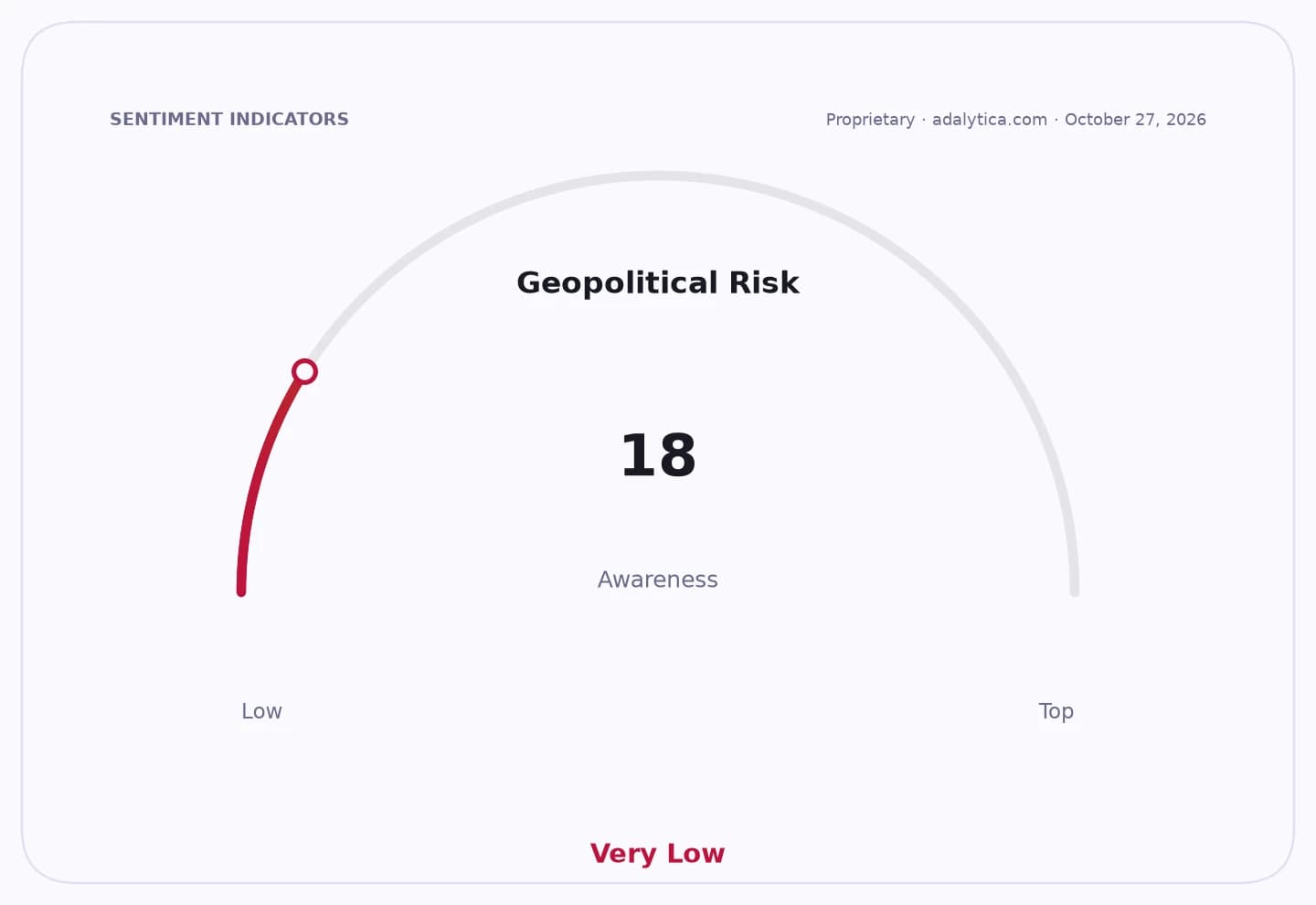
With Brent trading around the low-$100s in the broader oil market and energy markets still sensitive to geopolitics and supply disruptions, Turkey’s next test is execution. Investors will watch whether the government can convert rising output from Gabar and other basins into sustained production gains, and whether the 2027 gas target translates into a meaningful cut in import dependence.
| Entity | Gains | Losses |
|---|---|---|
| Turkish government | ▲Smaller current account gap | ▼Higher execution risk |
| Domestic producers | ▲More output growth | ▼Capital and drilling costs |
| Energy importers | ▲Lower import dependence | ▼Less benefit from cheap foreign supply |
| Global oil sellers | ▲Less Turkish demand | ▼Reduced import volumes |