Libya’s eastern parliament has ratified a disputed maritime boundary accord with Turkey, a move that could reshape control over gas-rich waters in the eastern Mediterranean and deepen Ankara’s leverage in a region already defined by energy rivalry and fragile alliances.
Libya Parliament Ratifies Turkey Maritime Accord
The vote matters because maritime delimitation is not just a diplomatic gesture; it determines who can claim offshore exploration rights, drilling licenses and future revenue streams. By backing a 2019 deal first signed by Tripoli and Ankara, the eastern authorities under Khalifa Haftar are effectively validating a Turkish push into waters long contested by Greece, Cyprus and their allies, while signaling that Libya’s internal fault lines are now being overlaid by a broader contest for Mediterranean energy assets.
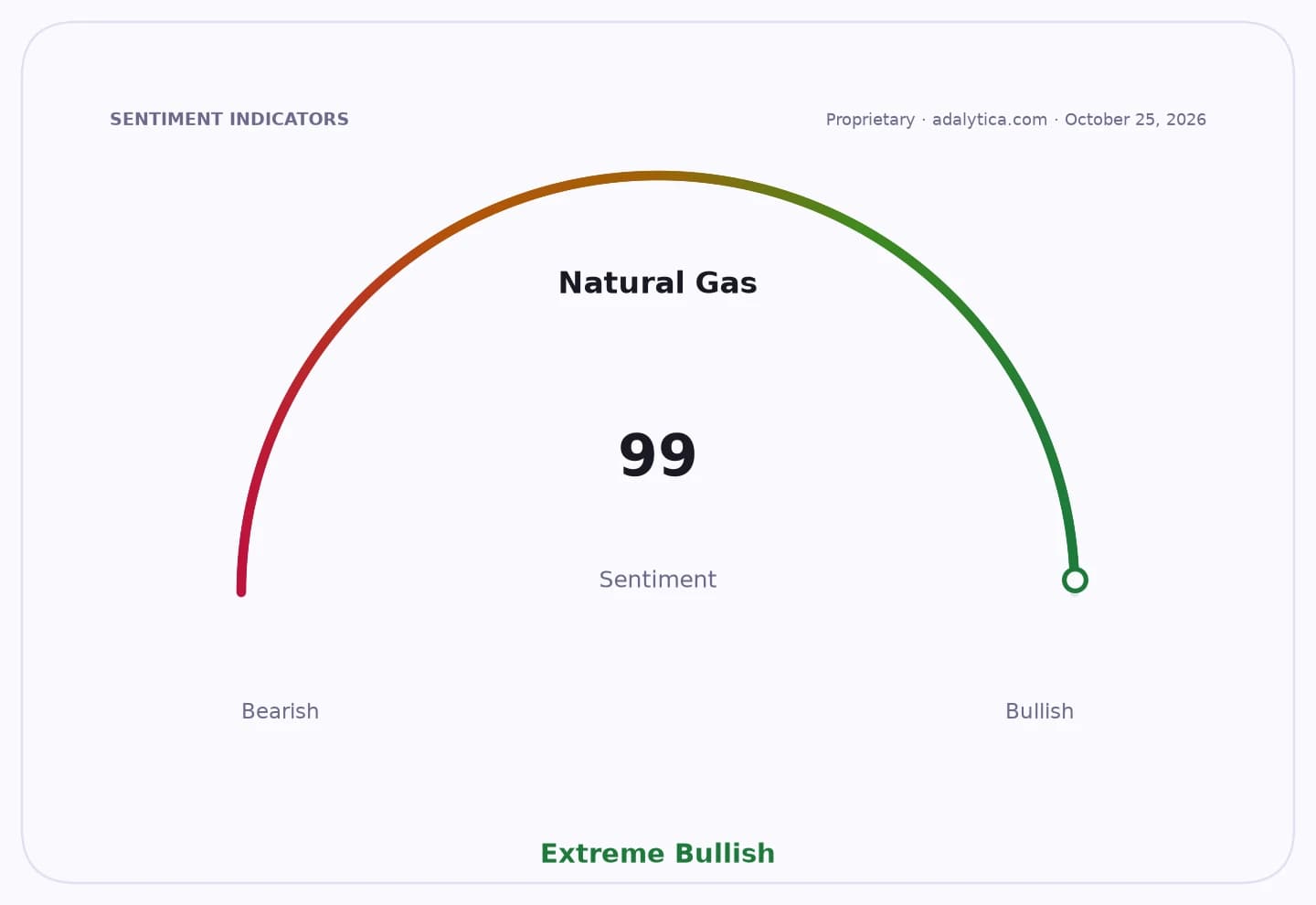
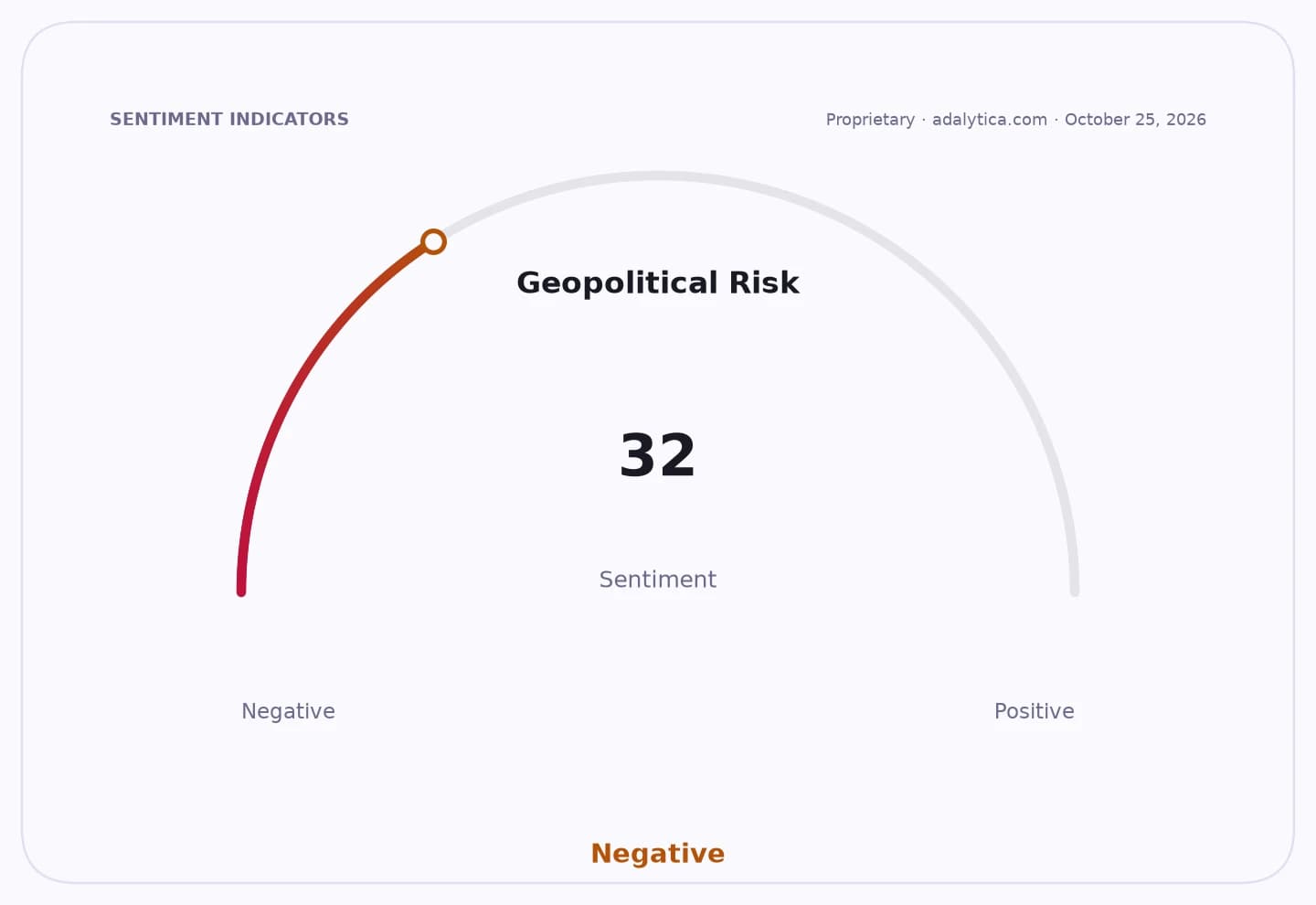
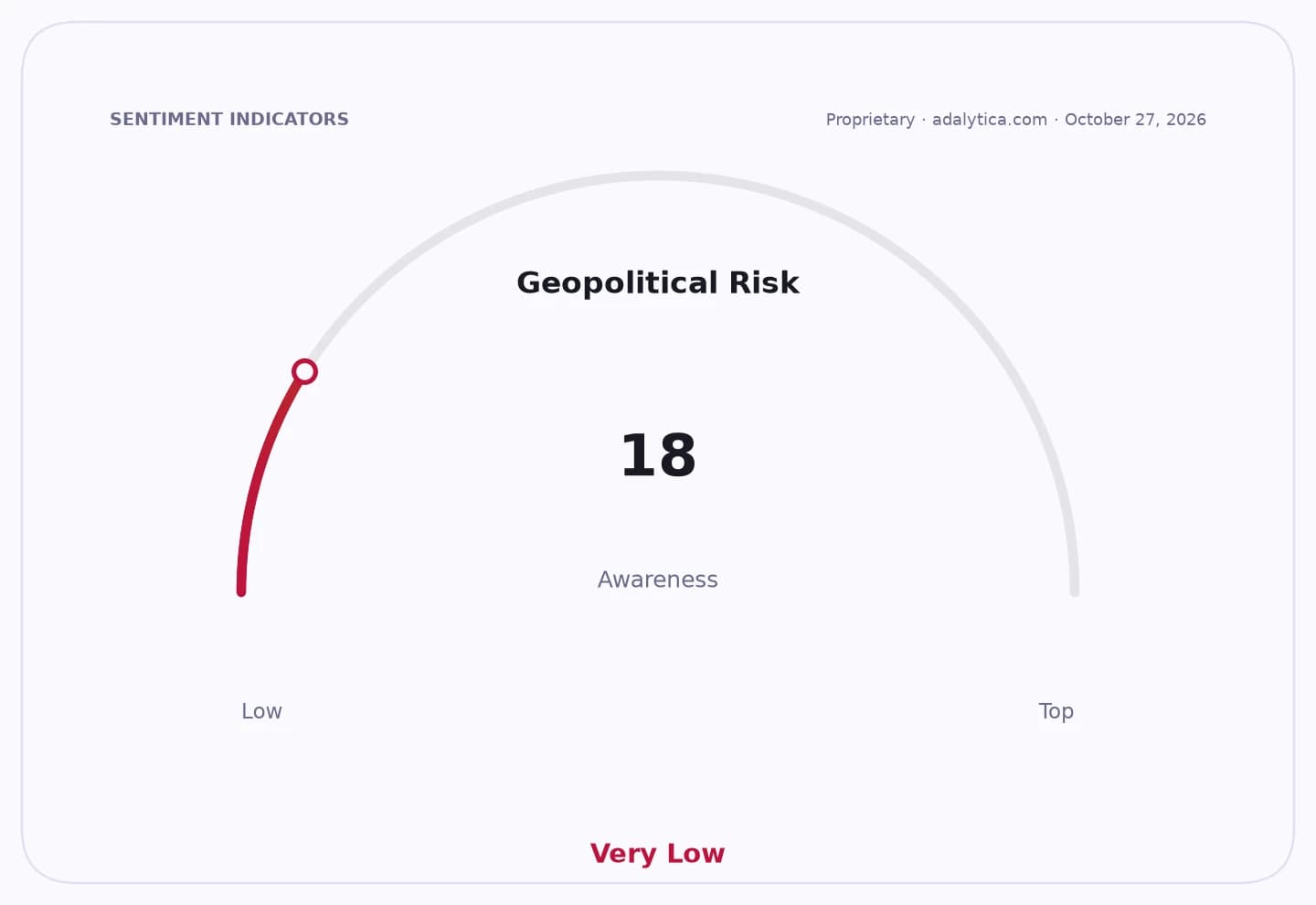
Sentiment IndicatorsⓘProprietary · adalytica.com · October 27, 2026
This is a snapshot — live sentiment, awareness and momentum for 130+ markets update continuously in the dashboard.Open AlphaPulse
For investors, the significance is less about immediate production than about optionality. Every legal step that strengthens Turkey’s maritime claim improves the strategic backdrop for Turkish energy firms, offshore service providers and defense contractors tied to Ankara’s regional posture. It also raises the geopolitical premium in the eastern Mediterranean, where exploration plans, pipeline routes and shipping economics can be altered quickly by political realignment. In that sense, the development is a reminder that energy pricing in the region is increasingly driven by sovereign risk as much as geology.
The story also underlines how far the Haftar camp has moved from its previous anti-Turkey stance. Ankara had backed the rival Tripoli government in 2019 with drones and Syrian mercenaries to blunt Haftar’s advance on the capital. Now, after a change in parliamentary leadership and the growing influence of Saddam Haftar, the eastern bloc appears willing to accommodate Turkish interests in exchange for diplomatic and strategic gains. That kind of reversal is classic Mediterranean realpolitik: yesterday’s enemy can become today’s bargaining chip if it buys influence, recognition or economic advantage.
Markets are already paying attention to the wider risk backdrop. Oil remains highly sensitive to developments around Mediterranean security and Middle East alignment, and while the latest move does not change supply fundamentals overnight, it adds another layer of uncertainty around regional energy routes and exploration timelines. WTI-linked exposure, as reflected in the strong technical backdrop in USO, suggests traders are still willing to price geopolitical upside quickly when tensions flare or alliances shift. European energy names and shipping-linked assets could also remain vulnerable to headline risk if the ratification sparks pushback from Athens or Brussels.
Our thesis is that the market underestimates how a seemingly procedural Libyan parliamentary vote can accelerate a larger strategic realignment. Turkey is building a chain of influence from North Africa to the eastern Mediterranean, and Libya’s divided institutions are increasingly serving as the entry point. That creates a multi-year opportunity in the infrastructure, defense and energy complex around Ankara’s orbit, but it also means investors should expect higher volatility in regional oil and gas sentiment whenever legal claims, naval positioning and election politics intersect.
The next catalyst will be whether Turkey and Libya translate this ratification into concrete maritime enforcement, licensing and exploration steps. If they do, the real beneficiaries will be the companies and sectors positioned to service a more assertive Turkish footprint in the Mediterranean. For investors, the takeaway is clear: this is not just another diplomatic headline — it is a strategic signal that the battle for offshore energy rights is moving back to the center of the market narrative.
| Entity | Gains | Losses |
|---|---|---|
| Turkey | ▲Stronger maritime claims | ▼Diplomatic pushback risk |
| Eastern Libya / Haftar bloc | ▲Leverage with Ankara | ▼Tension with rivals |
| Greece and Cyprus | ▲— | ▼Weaker negotiating position |
| Oil and defense plays tied to Turkey | ▲Higher strategic premium | ▼Policy and headline volatility |