Steve Witkoff’s arrival in Russia for talks with Vladimir Putin has put the odds of a Ukraine ceasefire — and the market consequences that would follow — back in focus, with oil and gold already flashing signs that investors are repositioning around a possible diplomatic breakthrough.
Ukraine Ceasefire Talks Pressure Gold and Oil

The U.S. envoy is expected to present a new peace framework after what Washington described as “substantial progress” in talks with Ukraine in Norway, a notable shift because any serious pathway to negotiations could reshape energy prices, defense spending, sanctions policy and the broader European risk premium. For investors, the question is no longer whether diplomacy matters, but which assets are most exposed if a peace process gains traction.
Ukraine says any deal must include long-term security guarantees and reject territorial concessions, while Moscow is demanding that Kyiv cede the rest of the Donbas, cut its armed forces and renounce NATO membership. Those positions remain far apart. But even the act of advancing a structured proposal matters economically because it forces markets to start pricing a lower probability of prolonged war, and with it the potential for softer crude prices, less pressure on European industry and a slower pace of defense-led capital spending.
The geopolitical backdrop is already showing up in asset behavior. Gold, a classic war-and-policy hedge, has fallen sharply from recent highs, with GLD closing at $368.66 on Monday, well below its 50-day moving average of $393.85 and under its 200-day average of $414.00. The broader technical picture has weakened too, with RSI reading 36.7 and the MACD still negative, a sign that safe-haven demand has cooled as traders wait for the next diplomatic headline. Adalytica’s gold fear-and-greed gauge is still in “Extreme Fear,” but the sentiment score has dropped to 4, showing how quickly confidence can swing on Ukraine-related developments.
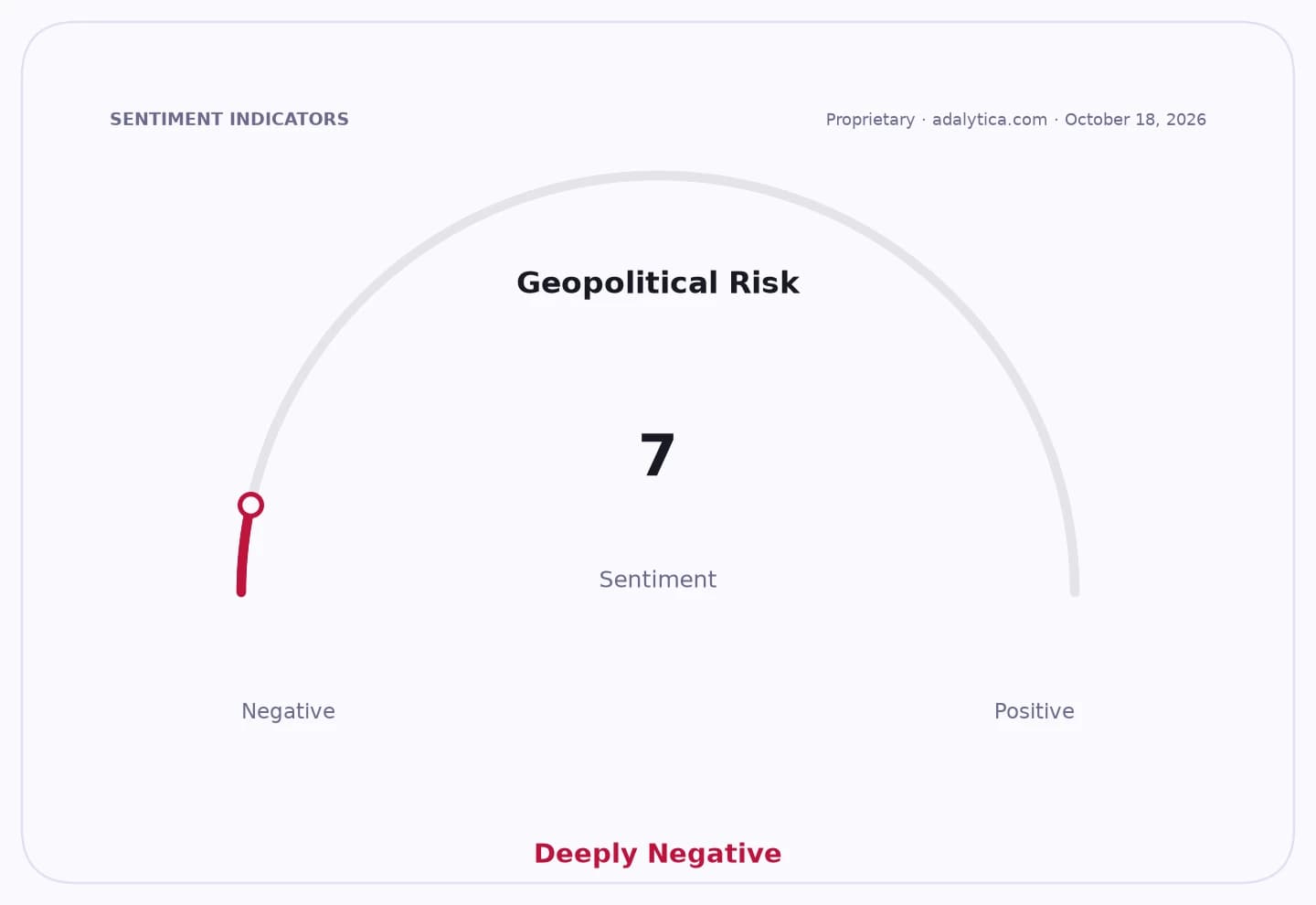
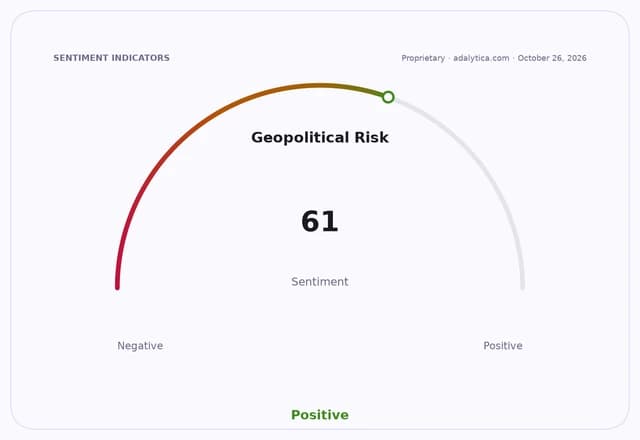
Geopolitical Risk — 30-day sentimentadalytica.com
Explore this data interactively — full history, time series and cross-market comparisons.Open AlphaPulse
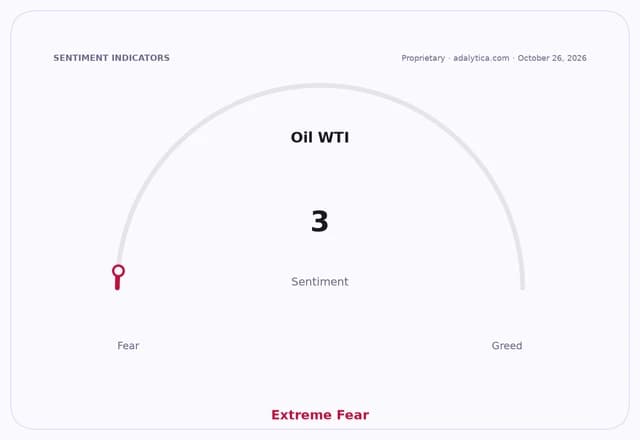
Oil is telling a different but equally important story. USO closed at $165.09 after a recent spike to $169.53, keeping crude near elevated levels even as Adalytica’s oil signal registers “Extreme Fear,” a reminder that energy markets remain highly headline-sensitive. Any credible move toward talks could remove some of the geopolitical premium embedded in oil, especially if investors conclude that sanctions pressure, supply disruptions or escalation risks may ease. That would be negative for crude producers and oil-linked trades, but constructive for transport, chemicals, airlines and Europe-dependent industrial names.
The bigger investment implication is that a serious peace process would create winners and losers well beyond energy. European equities, especially sectors most exposed to fuel costs and wartime uncertainty, could benefit if risk premiums compress. Defense shares could face pressure if investors begin to discount some of the rearmament urgency that has supported the sector. And while a deal is far from imminent, the market often moves well before diplomats do, which is why this visit matters now.
Our view is that the market underestimates how quickly Ukraine headlines can change the inflation, energy and defense narrative. If Witkoff’s proposal becomes the basis for formal talks, the next major move could be lower oil volatility, weaker haven demand and a rotation away from the most war-exposed trades. For investors, that argues for watching energy hedges and gold exposure closely while staying alert to beneficiaries of a de-escalation trade.
| Entity | Gains | Losses |
|---|---|---|
| Ukraine peace advocates | ▲Diplomatic momentum | ▼Military ambiguity |
| Oil consumers | ▲Lower risk premium | ▼Short-term crude upside |
| Gold holders | ▲Crisis hedge demand | ▼Safe-haven flows |
| Defense stocks | ▲Ongoing conflict | ▼Ceasefire expectations |