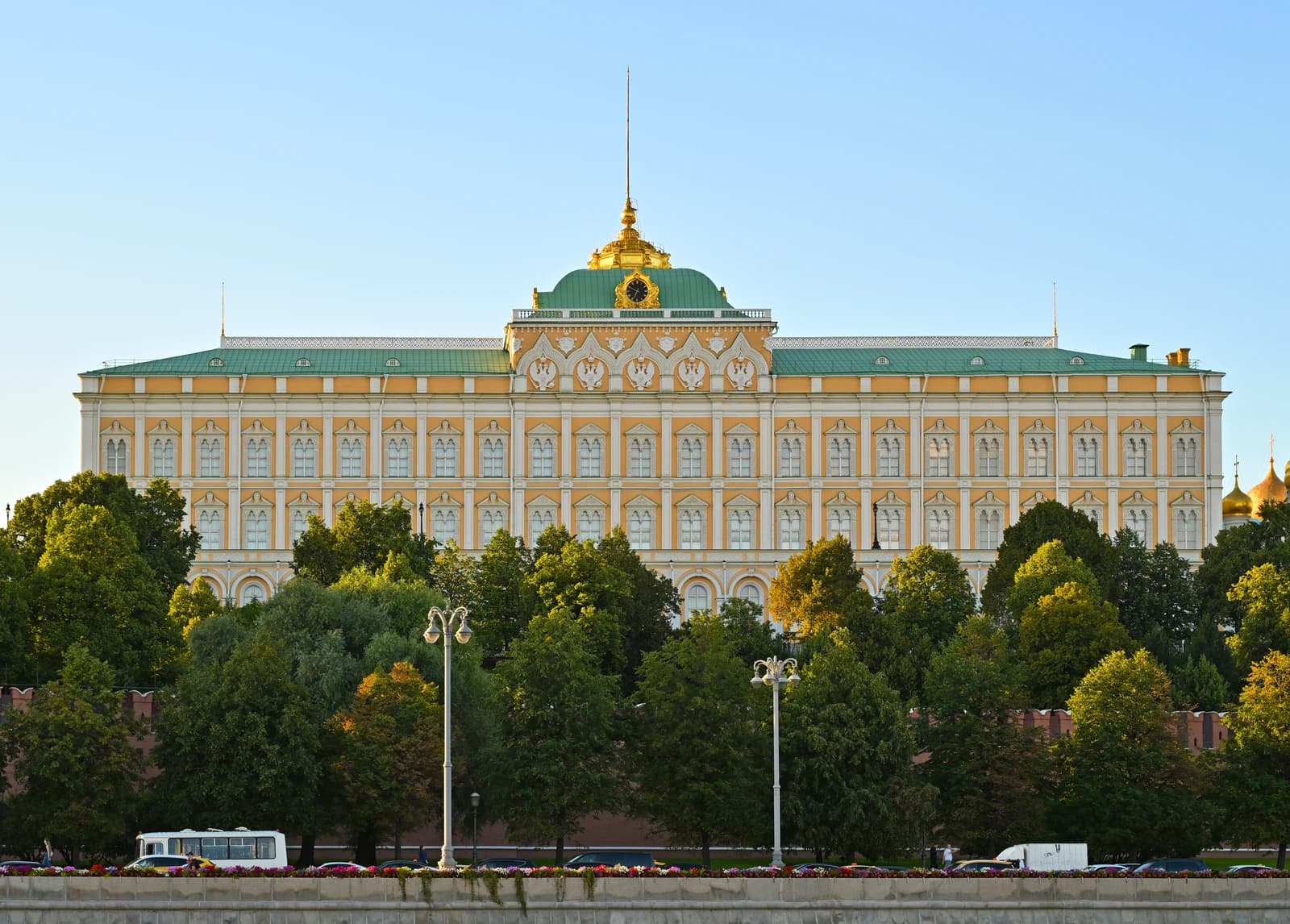
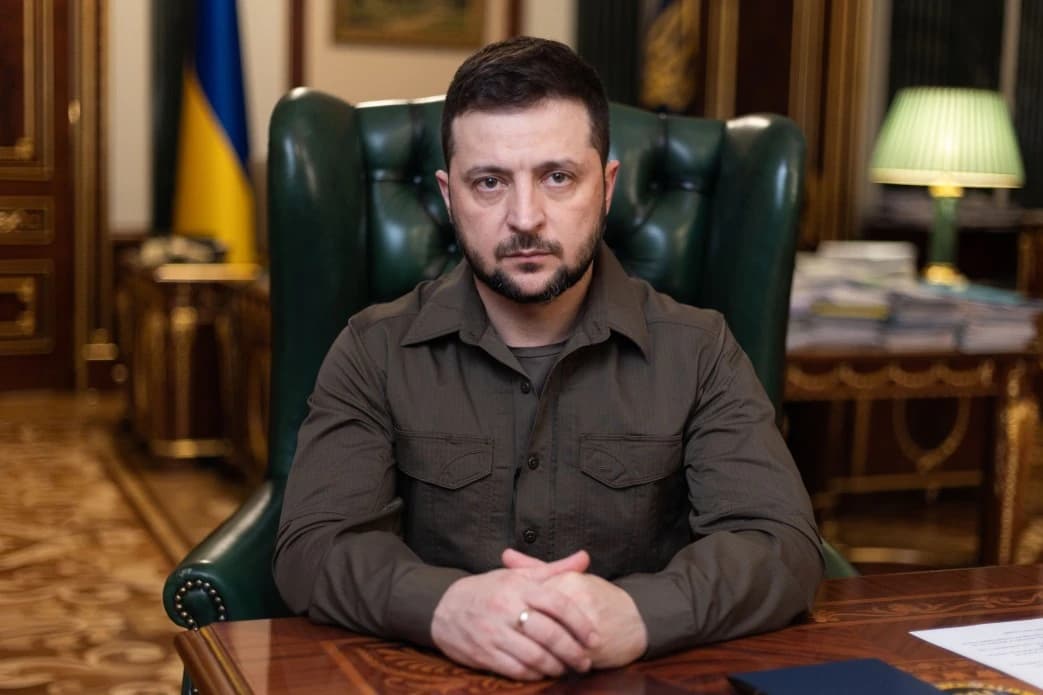
Ukraine is ready to stop striking sensitive Russian energy facilities if Moscow agrees to the same, President Volodymyr Zelensky said in Oslo, signaling a possible de-escalation in one of the war’s most economically disruptive fronts.
Ukraine offers halt to Russia energy strikes

The proposal matters because attacks on energy infrastructure have been one of the clearest ways the conflict spills into global markets, especially through crude oil, refined products and European gas sentiment. A halt to cross-border energy strikes would not end the war, but it could reduce the risk of sudden supply shocks heading into the winter heating season.
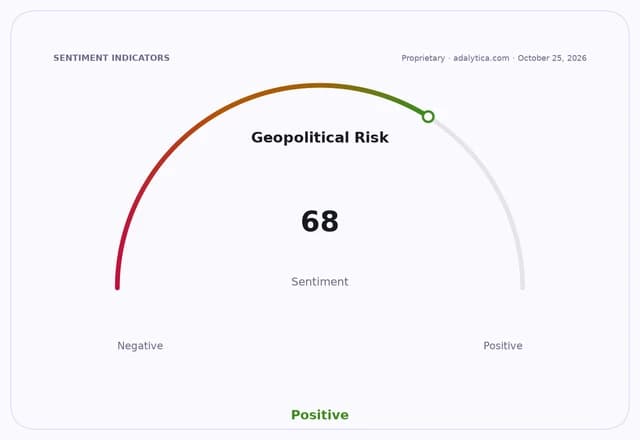
Sentiment IndicatorsⓘProprietary · adalytica.com · October 25, 2026
This is a snapshot — live sentiment, awareness and momentum for 130+ markets update continuously in the dashboard.Open AlphaPulse
Zelensky said Ukraine has prepared concrete peace proposals and wants them delivered to Russia on Friday as part of a push toward three-way talks at the leaders’ level. He also said he expects Starlink service to be restored within 48 hours, underscoring the wartime dependence on communications infrastructure as much as power grids.
The comments came alongside Norwegian and Finnish leaders in Oslo, while a representative of Donald Trump was not present. Zelensky framed the talks around Ukraine’s security, postwar prosperity, territorial questions and sanctions, suggesting Kyiv is trying to broaden the agenda beyond a narrow cease-fire.
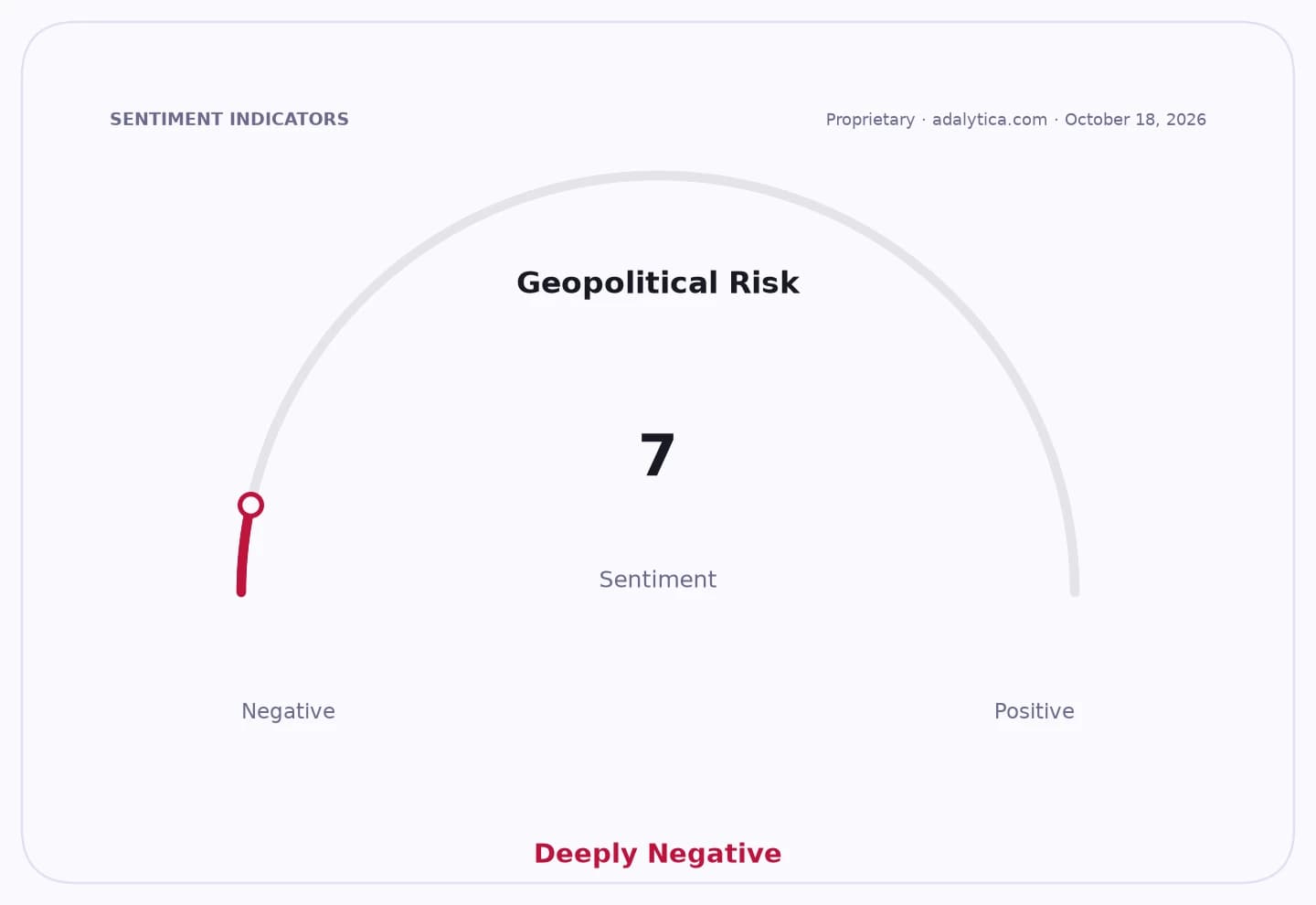
Energy markets have already been trading with elevated geopolitical risk. U.S. energy stocks, tracked by the XLE ETF, have climbed to about $69.33, near the top of their recent range, while Shell shares have pushed to $108.18, reflecting lingering tightness in the sector and sensitivity to supply disruptions. Oil-tracking sentiment remains deeply bearish in Adalytica’s USO gauge, but that leaves room for sharp reversals if hostilities intensify or ease.
For investors, the key issue is whether this is a genuine opening for risk reduction or another temporary diplomatic gesture. If both sides restrain attacks on energy assets, it could ease pressure on European power and fuel markets and trim the geopolitical premium embedded in oil-related shares. If talks stall, markets will likely keep pricing in another round of strikes on power grids, refineries and pipelines.
| Entity | Gains | Losses |
|---|---|---|
| Ukraine | ▲Lower retaliation risk | ▼Lost leverage if Russia ignores offer |
| Russia | ▲Chance to protect energy assets | ▼Less room to pressure Kyiv via infrastructure |
| Energy markets | ▲Lower supply-shock risk | ▼Fewer volatility bids |
| Oil bulls | ▲Sharper upside if talks fail | ▼Weaker geopolitical premium if truce holds |