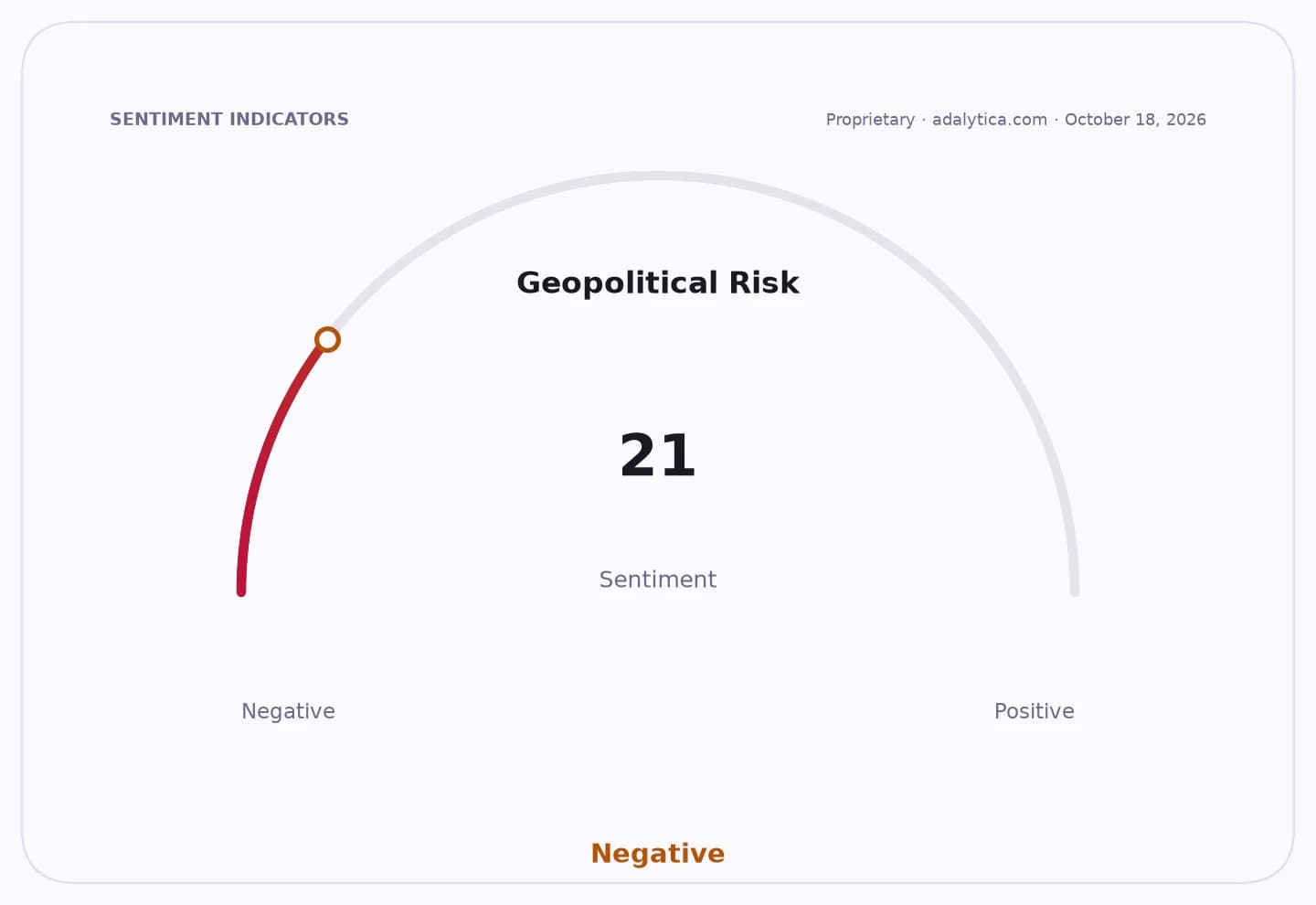
Volodymyr Zelensky’s willingness to “freeze” the front in Ukraine marks the clearest sign yet that Kyiv is prepared to trade battlefield rigidity for a negotiating path, a shift that could reshape the war’s economics, the outlook for European security and investor appetite for risk assets tied to the conflict.
Ukraine Zelensky Says Front Should Be Frozen
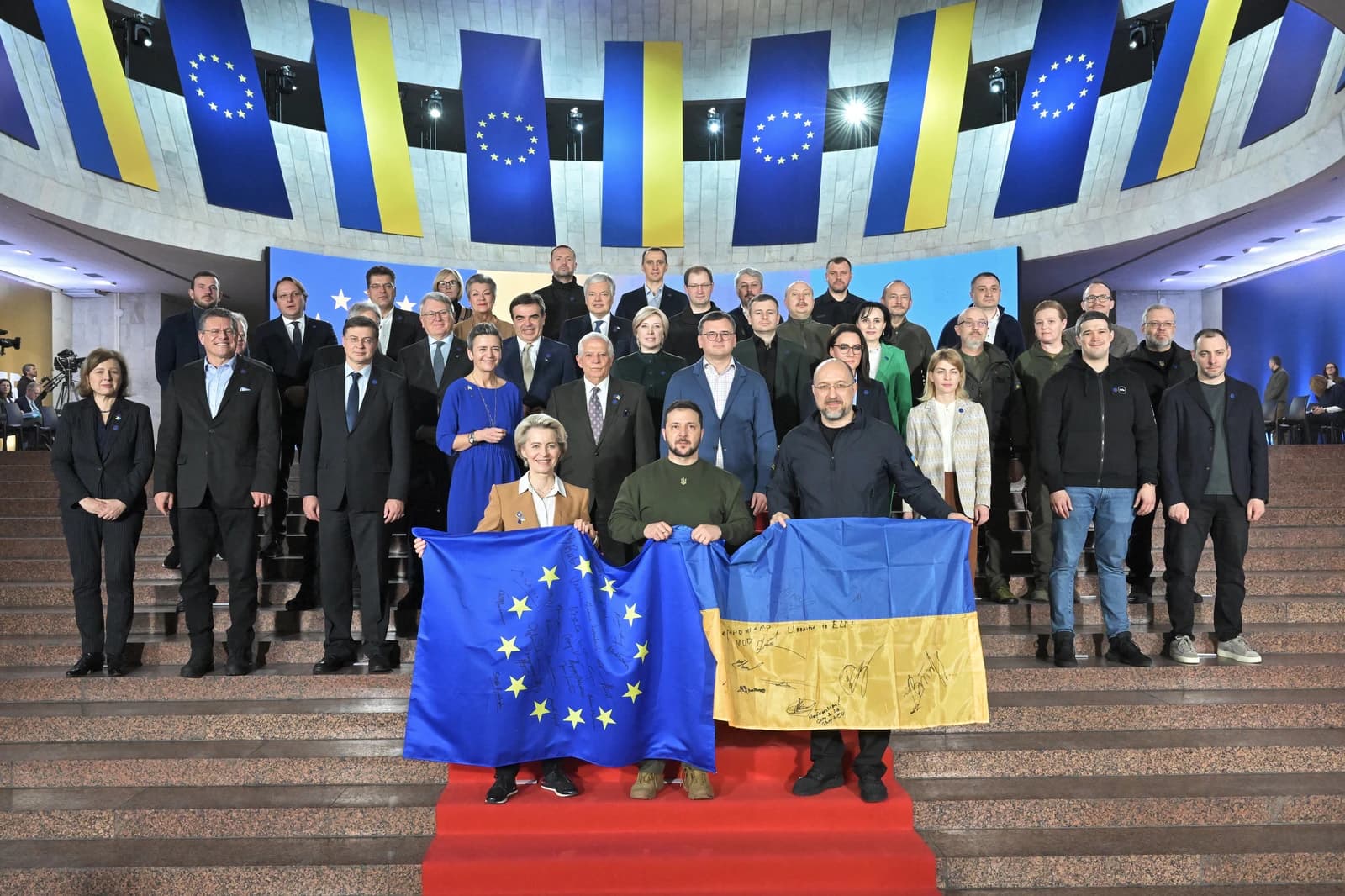
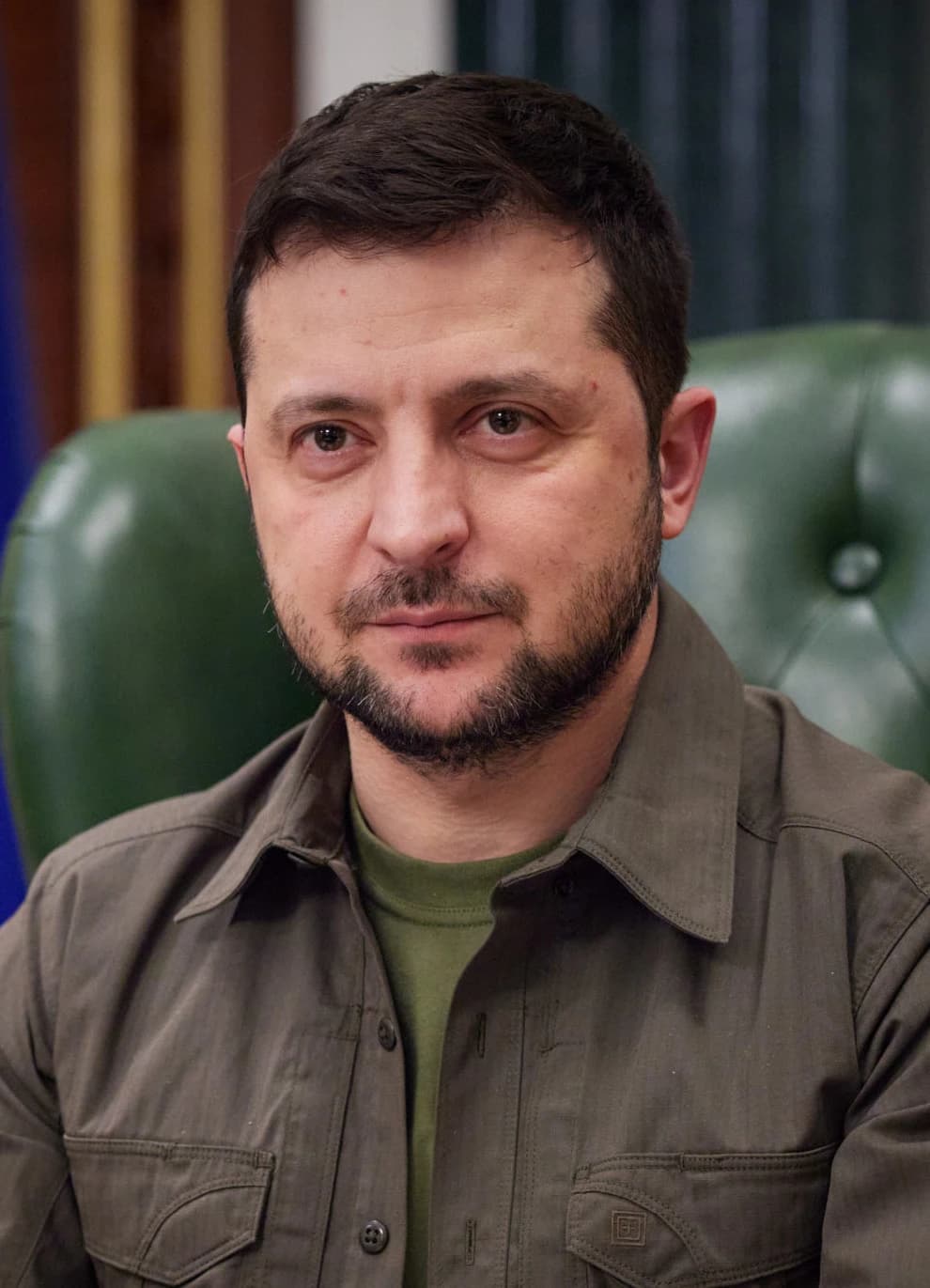
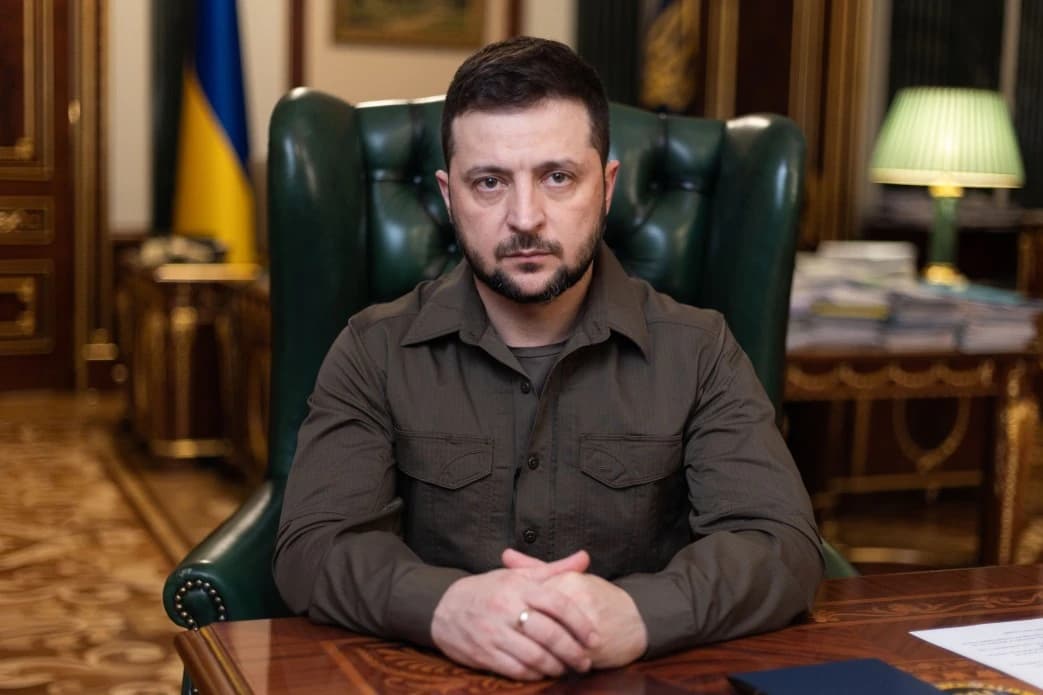
The Ukrainian president said in a Fox News interview that the front should be “frozen” as a first step toward a ceasefire and eventual talks, while stressing that any negotiations must include Kyiv and come with security guarantees from the United States and Europe. The remarks came as US envoy Steve Witkoff met Vladimir Putin in Moscow, underlining that diplomatic activity around the war is intensifying even as fighting continues.
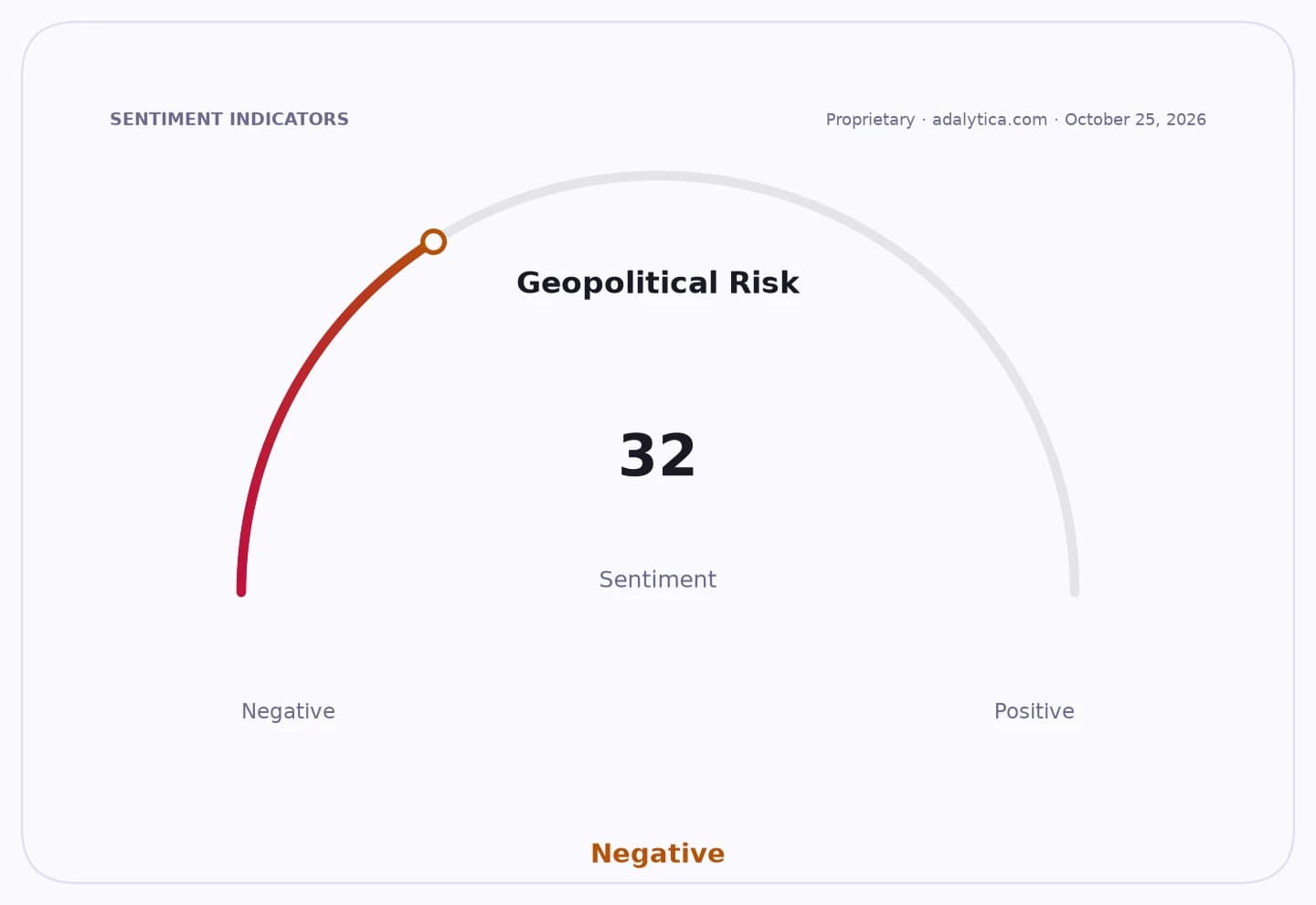
Sentiment IndicatorsⓘProprietary · adalytica.com · October 27, 2026
This is a snapshot — live sentiment, awareness and momentum for 130+ markets update continuously in the dashboard.Open AlphaPulse
For markets, the significance is less about an immediate ceasefire than about the possibility that the conflict is entering a new bargaining phase. A front-line freeze would not settle territorial disputes, but it could reduce the probability of further escalation, alter Europe’s defense spending path and ease some of the energy and supply-chain risk premium that has hung over the region since Russia’s full-scale invasion. That, in turn, matters for everything from the euro and regional credit spreads to companies exposed to Eastern Europe and the broader appetite for risk.
The Kremlin has shown no sign it will accept a simple pause on Kyiv’s terms, and Moscow’s public messaging remains tactical. But the fact that Zelensky is talking in the language of a freeze rather than outright victory reflects the battlefield reality after years of attrition, limited manpower and pressure from allies to find a settlement framework that does not leave Ukraine vulnerable to renewed attacks. His insistence on guarantees from Washington and European capitals highlights the core problem in any deal: a ceasefire without enforcement mechanisms would risk becoming a temporary respite rather than a durable peace.
The immediate market reaction is likely to remain subdued because investors have been conditioned to discount headline diplomacy until there is evidence of a verified halt in hostilities. Still, the latest comments may encourage a modest reduction in geopolitical risk pricing if talks gain traction, especially in European assets most sensitive to war risk. By contrast, defense names and parts of the energy complex could face a slower-moving recalibration if traders begin to see a lower probability of prolonged escalation.
That shift is also visible in how conflict-sensitive sentiment has evolved. Adalytica’s Global Stability Sentiment gauge sits at 61, a neutral reading, while awareness remains in fear territory at 18, suggesting the market is alert but not yet convinced that diplomacy will deliver. That fits the broader pattern: investors are responsive to negotiations, but they are not yet positioning for a clean resolution.
The broader narrative is that Ukraine and its allies are moving from a maximalist wartime stance toward an effort to manage the conflict’s end state, even if only in stages. A freeze on the front would be an opening bid, not a peace agreement. Whether it becomes the first rung on a ladder to ceasefire depends on Moscow’s response, the durability of Western guarantees and whether Washington is willing to turn diplomatic momentum into a security framework Ukraine can actually trust.
| Entity | Gains | Losses |
|---|---|---|
| Ukraine | ▲Negotiating channel | ▼Battlefield flexibility |
| Russia | ▲Diplomatic leverage | ▼War momentum if talks advance |
| US and Europe | ▲Chance to cap escalation | ▼Need to underwrite guarantees |
| Defense and energy stocks | ▲Lower if peace prospects improve | ▼Tail risk premium |