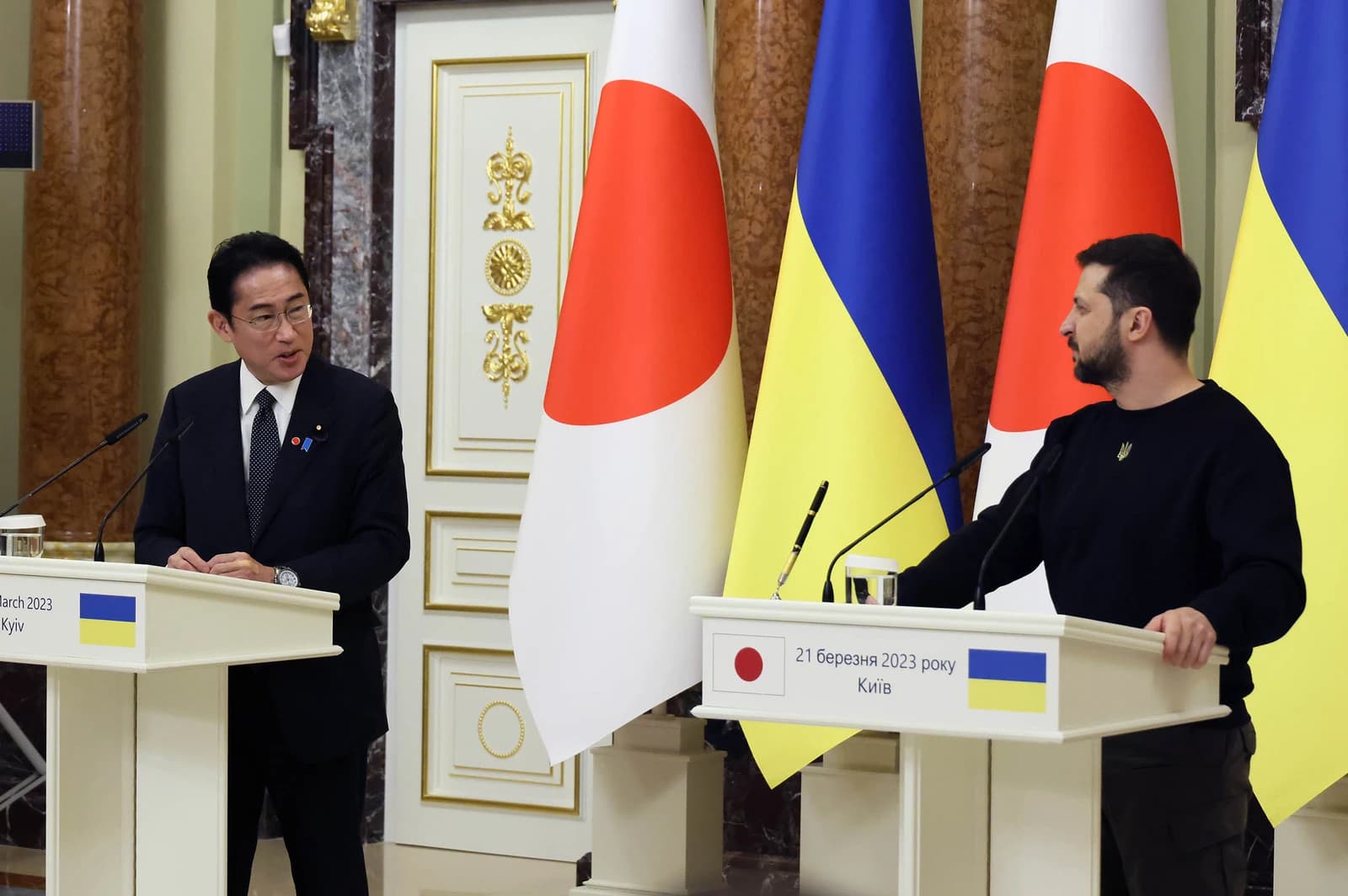
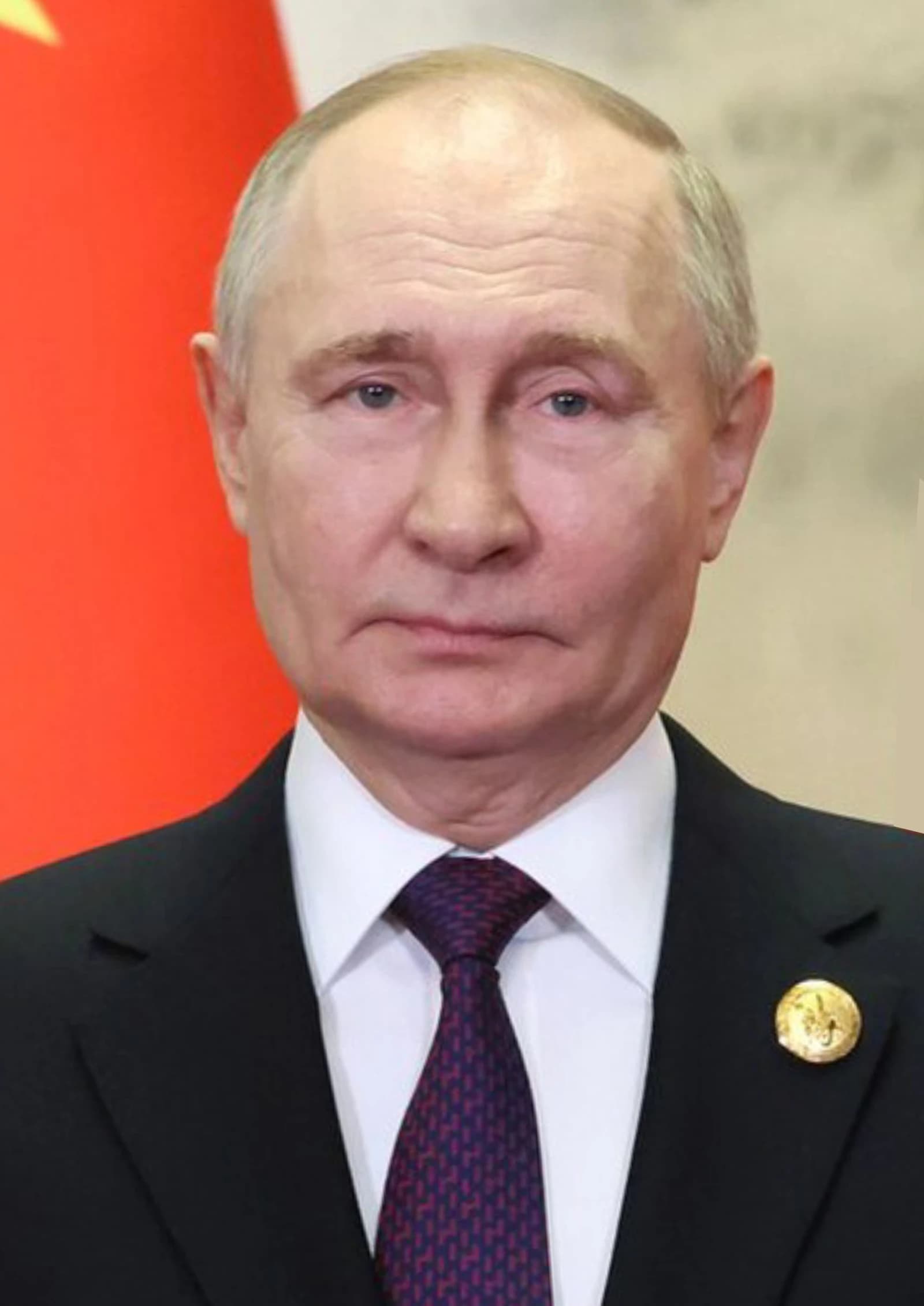
Russia says it needs a “legitimate representative” of Ukraine in any negotiations, underscoring how the next round of diplomacy could stall on procedure even as Moscow and Washington prepare to resume trilateral talks in mid-November.
Russia demands Ukraine representative in talks
The comment from Kremlin spokesman Dmitry Peskov matters because it frames the coming discussions not as a breakthrough on terms, but as a contest over who can sit at the table. For markets and policymakers, that means the prospect of a ceasefire or broader settlement remains highly conditional, with no clear path yet to a binding deal while fighting continues.
Moscow’s insistence on legitimacy is a familiar negotiating tactic, but it also reflects the Kremlin’s effort to shape the terms of engagement before substantive issues such as territorial control, security guarantees and sanctions relief are even discussed. Russia has signaled it is willing to talk without a prior ceasefire, while continuing missile and drone strikes on Kyiv, a combination that keeps military pressure in place while preserving diplomatic optionality.
The resumption of trilateral talks with the United States and Ukraine marks a modest diplomatic opening after months of entrenched warfare, but the sequencing remains crucial. If Russia uses the legitimacy question to question Kyiv’s authority, the talks could become a forum for delay rather than de-escalation. If the sides can agree on representation and process, however, it would be the first step toward any broader negotiation framework.
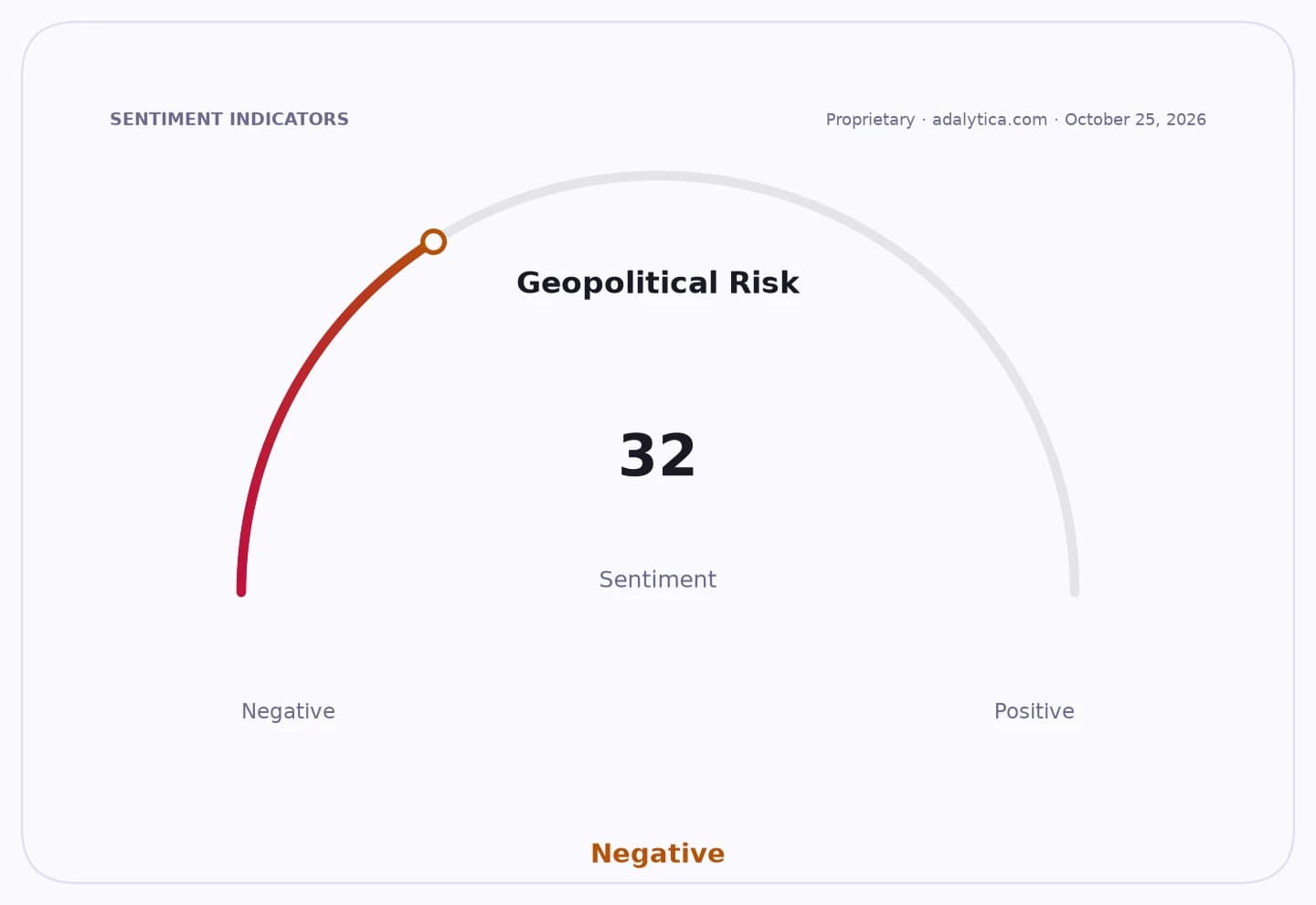
Geopolitical Risk — 30-day sentimentadalytica.com
Explore this data interactively — full history, time series and cross-market comparisons.Open AlphaPulse
Investors are watching for any sign that the war’s macro spillovers could ease. A durable diplomatic track would matter for energy markets, European risk sentiment, defense spending assumptions and sanctions exposure across commodities, banks and industrials. For now, the setup argues for caution: headline risk is high, the military situation remains fluid, and the political constraints on both sides make a rapid breakthrough unlikely.
The immediate focus is whether the November talks produce a credible agenda or simply confirm that both sides remain far apart on the basic rules of negotiation.
| Entity | Gains | Losses |
|---|---|---|
| Russia | ▲Diplomatic leverage | ▼Pressure for concessions |
| Ukraine | ▲Talks channel | ▼Negotiating ambiguity |
| US diplomats | ▲Mediation role | ▼Faster breakthrough hopes |
| Energy and risk assets | ▲Lower war premium if talks advance | ▼If diplomacy stalls |