Russia said a final settlement to the war in Ukraine cannot happen without someone in Kiev willing to take responsibility, underscoring how far apart the sides remain even as renewed diplomacy has put a possible peace track back on the table.
Russia Says Ukraine Must Back Peace Deal
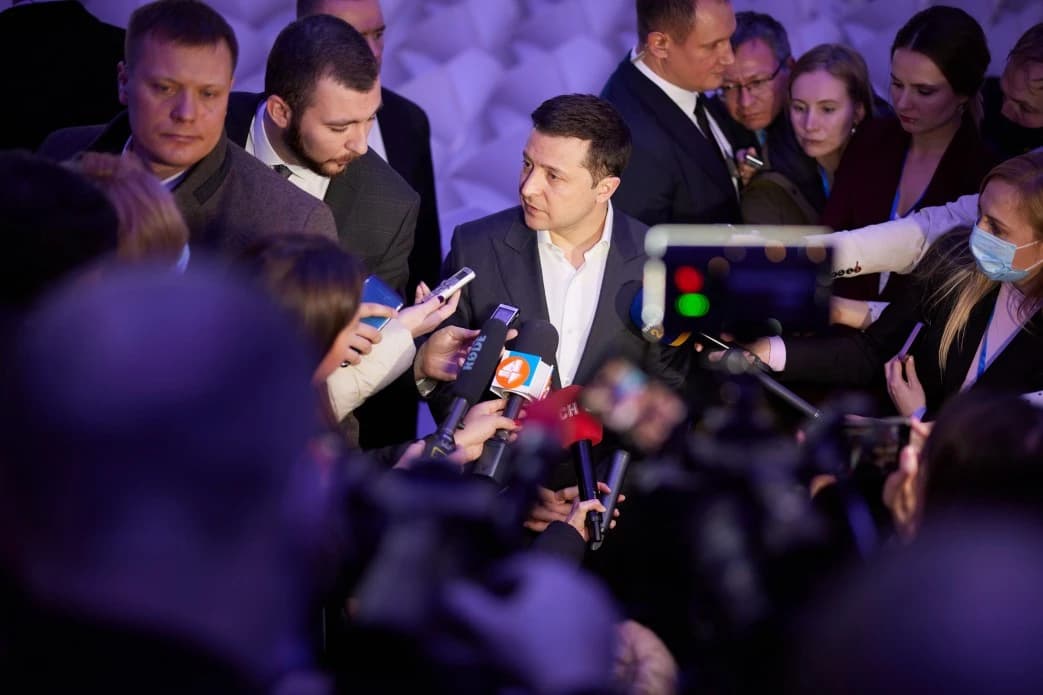
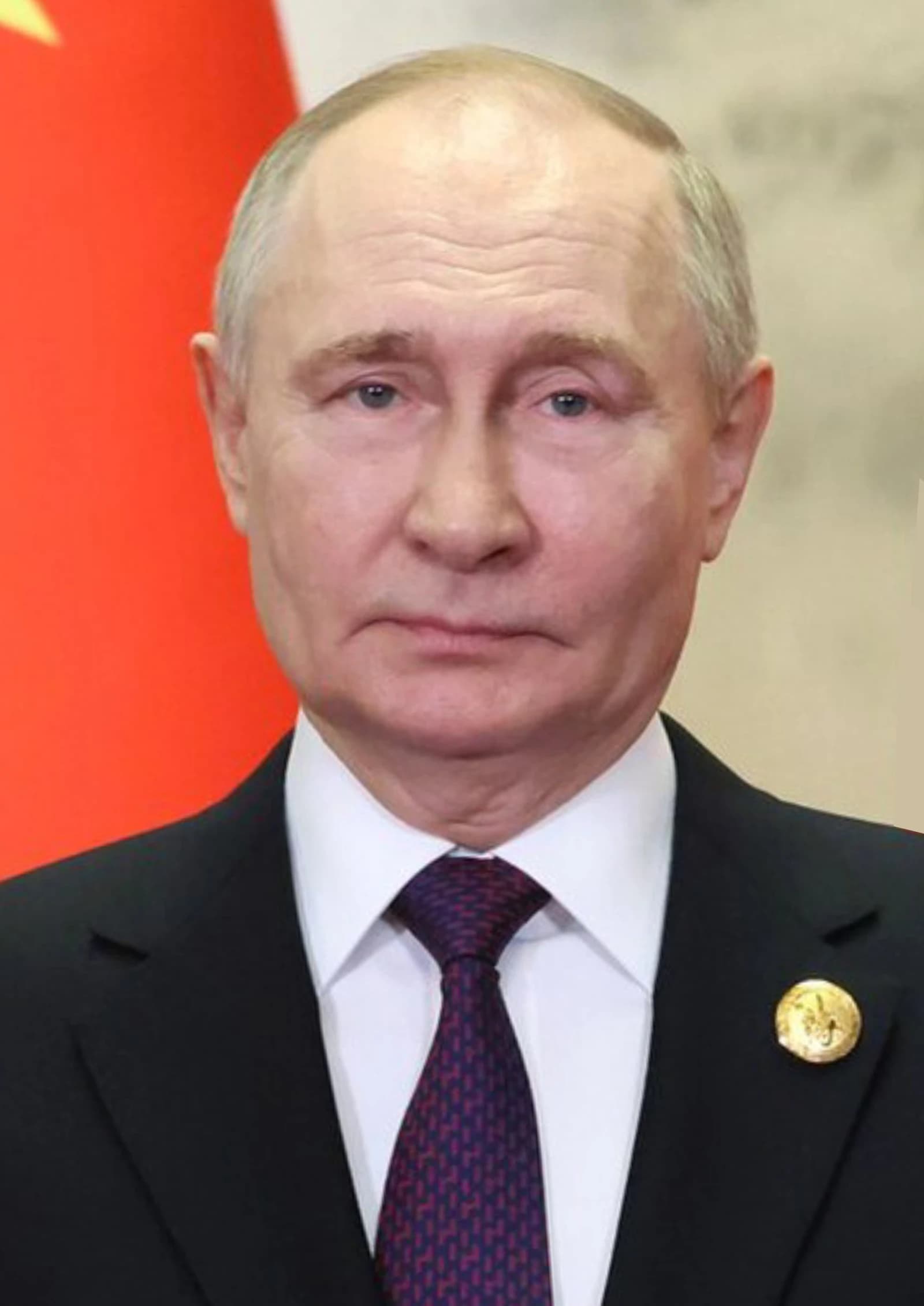
Kremlin spokesman Dmitry Peskov’s remarks matter because they frame the conflict’s next phase as a political test in Kiev as much as a military one. Moscow is signaling that any deal will require a Ukrainian counterpart willing to absorb the domestic and territorial costs of compromise, a message aimed at both Ukraine’s leadership and Western backers that have been exploring ways to restart negotiations.
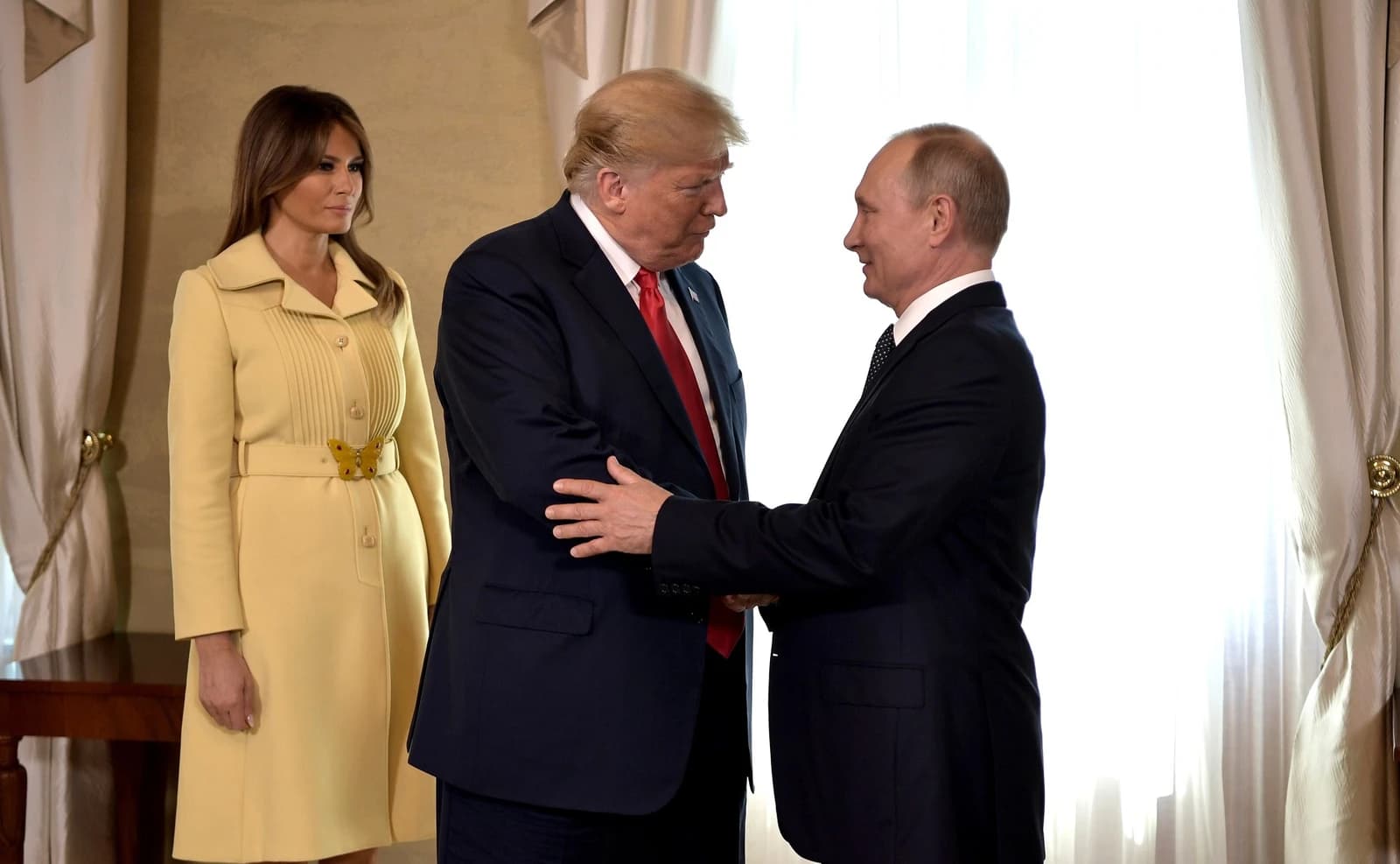
The comments come against a backdrop of cautious optimism around peace efforts, including talk of possible high-level engagement involving Russia, the United States and China at the APEC summit. But Peskov said no concrete proposal or agreement has been reached on such a meeting, tempering expectations that diplomacy is moving faster than the battlefield.
That matters economically because a credible path to de-escalation would reduce the risk premium hanging over European energy, defense and agricultural markets, while easing pressure on supply chains that have been distorted since the invasion. A sustained ceasefire or settlement would also lower the odds of further sanctions escalation and retaliation, with spillover effects for trade, commodity flows and sovereign borrowing costs across Europe.
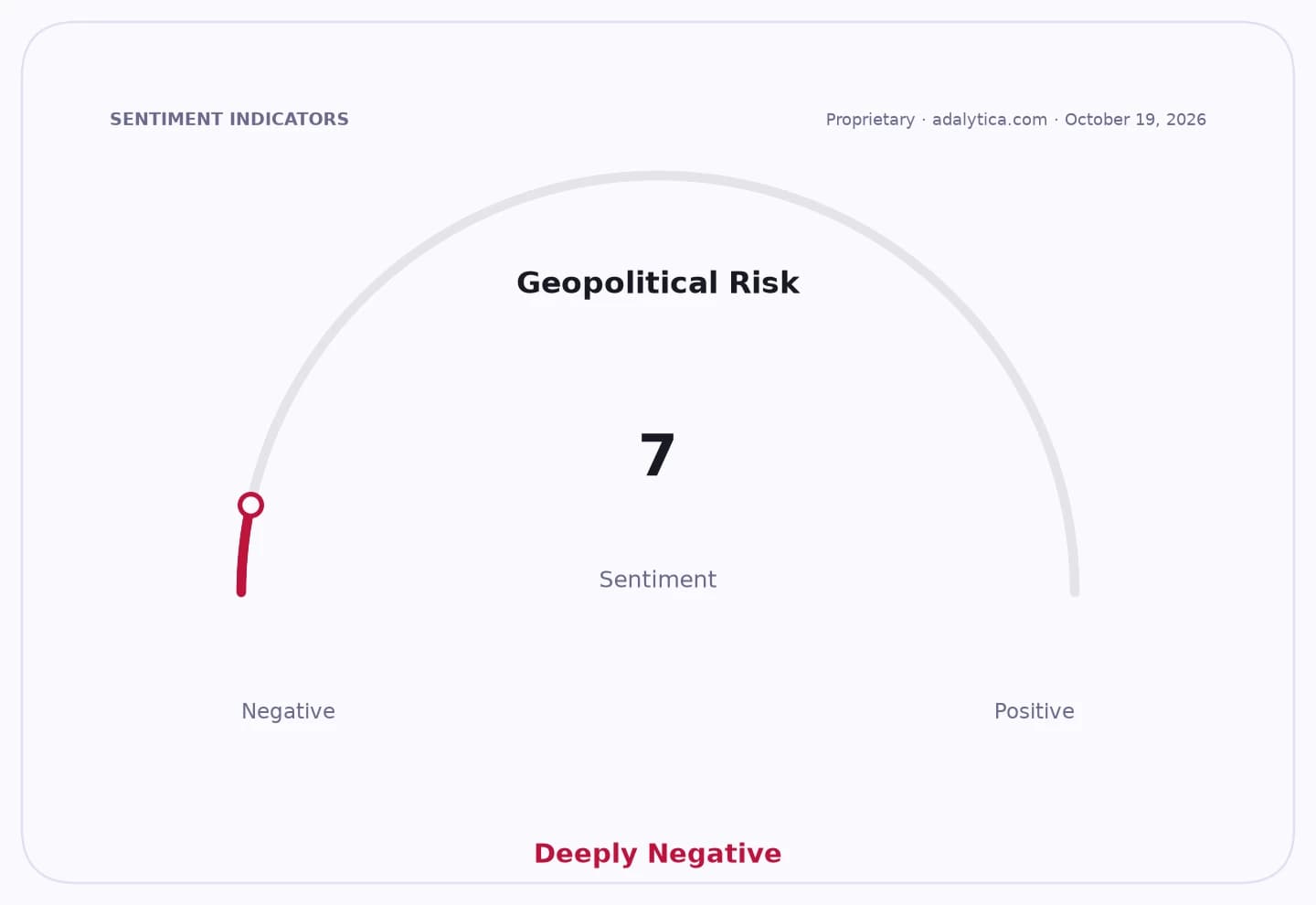
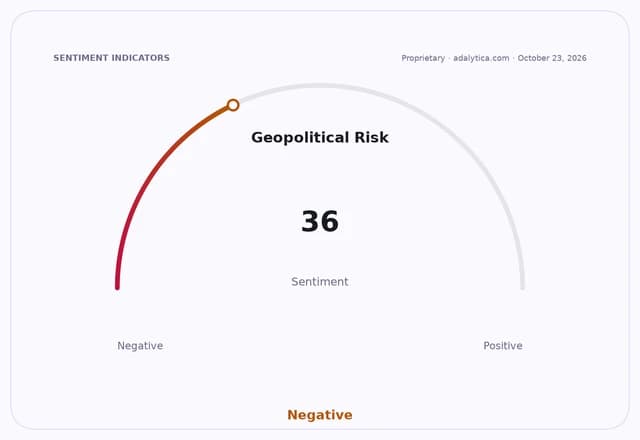
Geopolitical Risk — 30-day sentimentadalytica.com
Explore this data interactively — full history, time series and cross-market comparisons.Open AlphaPulse
For investors, the story is less about an imminent breakthrough than about the probability distribution of outcomes. A genuine negotiation track would likely weigh on defense shares and support risk assets in Europe, while benefiting sectors exposed to lower fuel and input costs. By contrast, failure to move beyond rhetoric would keep crude, gas and wheat markets sensitive to any renewed escalation and preserve demand for havens such as the dollar, gold and U.S. Treasuries.
The broader narrative is that diplomacy is resurfacing, but the central obstacle remains unchanged: neither Moscow nor Kiev has shown readiness to concede the core political terms of peace. Peskov’s insistence on Kiev’s role suggests Russia wants to put responsibility for compromise in Ukraine’s court, even as the Kremlin keeps the door open to summitry that could shape the next phase of the conflict.
For markets, the key catalyst will be whether the current round of talk produces a formal negotiating channel or remains limited to signaling. Until then, investors are likely to treat every statement as a reminder that the war’s economic impact is still driven by the distance between rhetoric and an actual deal.
| Entity | Gains | Losses |
|---|---|---|
| Russia | ▲Diplomatic leverage | ▼Pressure to compromise |
| Ukraine/Kiev | ▲Potential peace opening | ▼Blame for stalled talks |
| European energy and risk assets | ▲Lower conflict premium | ▼Less support from war-driven demand |
| Defense firms and commodity havens | ▲Prolonged demand if talks fail | ▼Relief rally if diplomacy advances |