Volodymyr Zelensky is pressing allies for faster air-defense support even as Washington’s envoys prepare to meet Vladimir Putin, underscoring how Ukraine’s battlefield position now hinges as much on diplomacy and weapons flow as on fighting.
Ukraine Pushes for Patriot Deliveries Before Russia Talks
The immediate issue for investors and policymakers is the reported delay in Patriot missile deliveries that Kyiv says it has already paid for. With Russia stepping up missile and drone attacks on Ukrainian cities and infrastructure, any bottleneck in high-end air defenses widens the gap between demand and supply for the systems that protect both civilians and critical military assets.
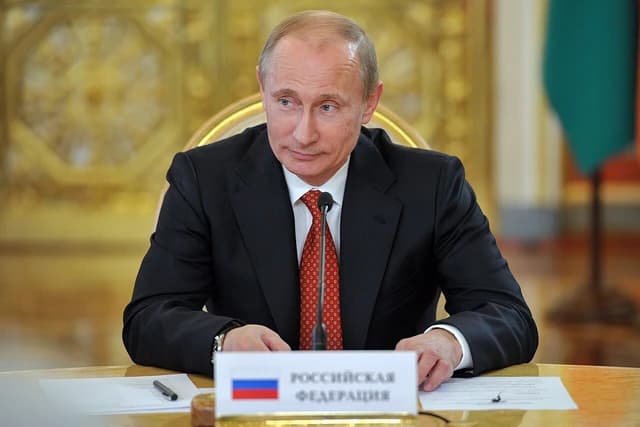
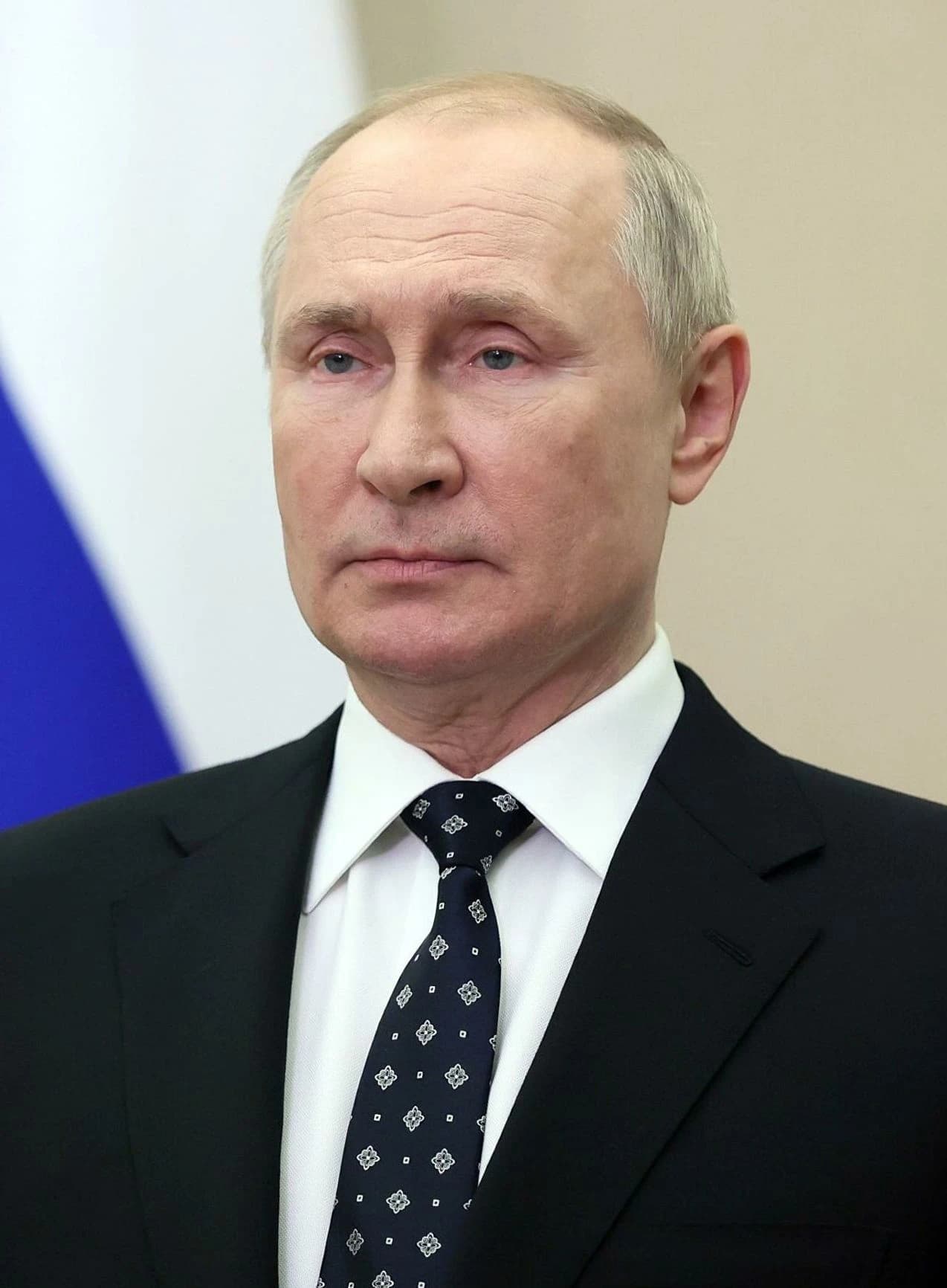
Zelensky is in Oslo for talks with Norwegian and Finnish leaders and is due to meet Steve Witkoff, the US presidential envoy, before Witkoff and Jared Kushner travel to Russia for talks with Putin, according to reports. The sequence highlights the split-track effort now underway: Kyiv is trying to lock in military aid while the Trump administration explores whether a negotiated opening with Moscow is possible.
That matters economically because air-defense shortages can raise Ukraine’s war costs, increase pressure on European governments to fill gaps, and keep the conflict a persistent drag on regional risk sentiment. The latest attacks around Kyiv, which killed and wounded civilians, also reinforce the case for more missile interceptors and other protective systems from Western suppliers.
Defense contractors remain in focus as renewed demand for Patriot batteries and interceptors supports the case for higher long-cycle spending on integrated air defense. Lockheed Martin, RTX and Northrop Grumman have all traded sharply higher at points this year on expectations of sustained geopolitical demand, while recent price action shows the market still sensitive to any sign of delayed procurement or shifting policy priorities.
Technical readings on the stocks point to strong momentum, but also stretched conditions. Lockheed Martin closed at $604.18 on Oct. 23, above its 50-day moving average of $539.29, with RSI at 84.2, while RTX finished at $191.01, near its 50-day average of $197.11, and Northrop Grumman ended at $551.44, above its 50-day average of $521.83. That suggests investors are still pricing in durable defense demand, but are also watching for execution, budget and delivery risk.
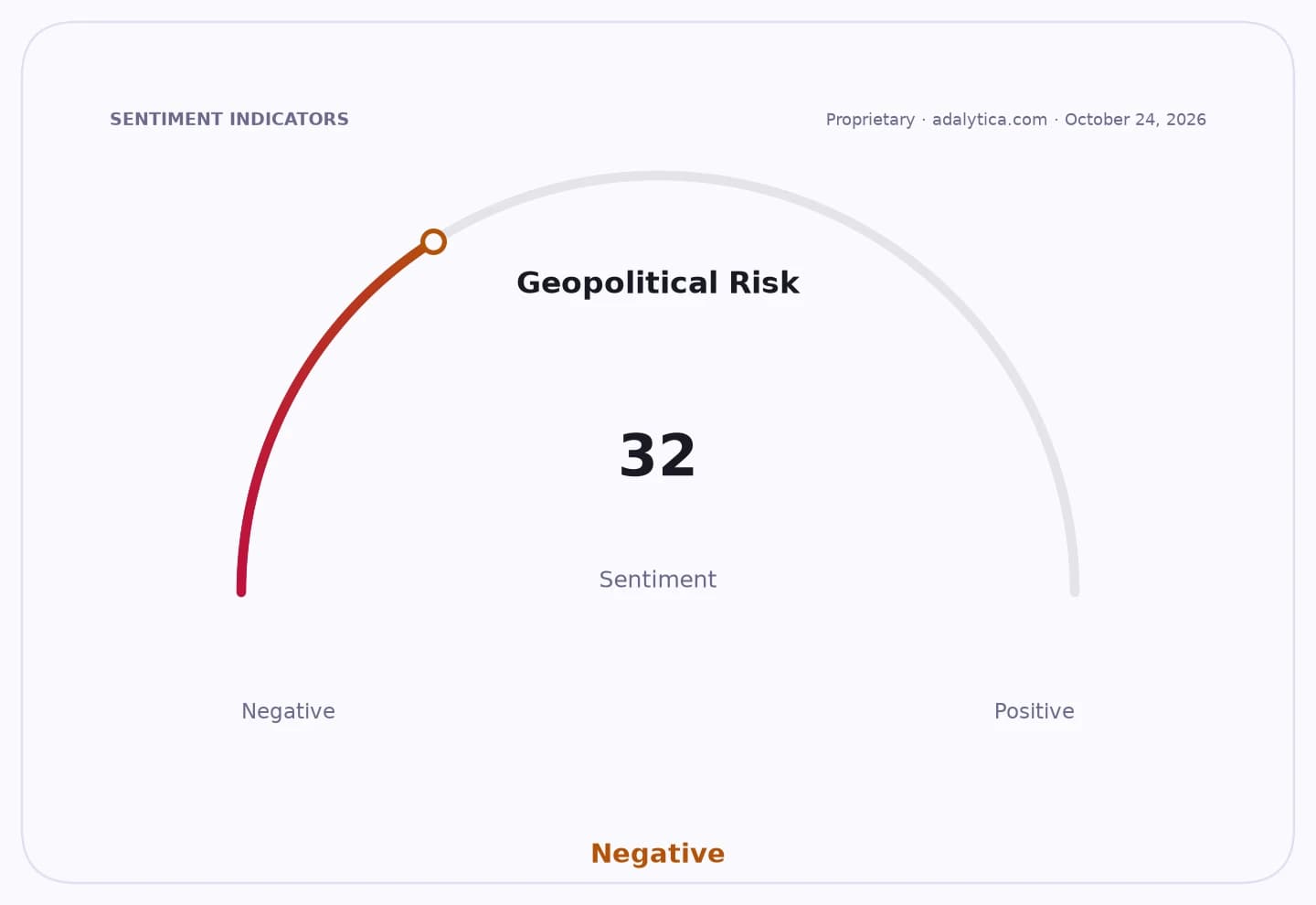
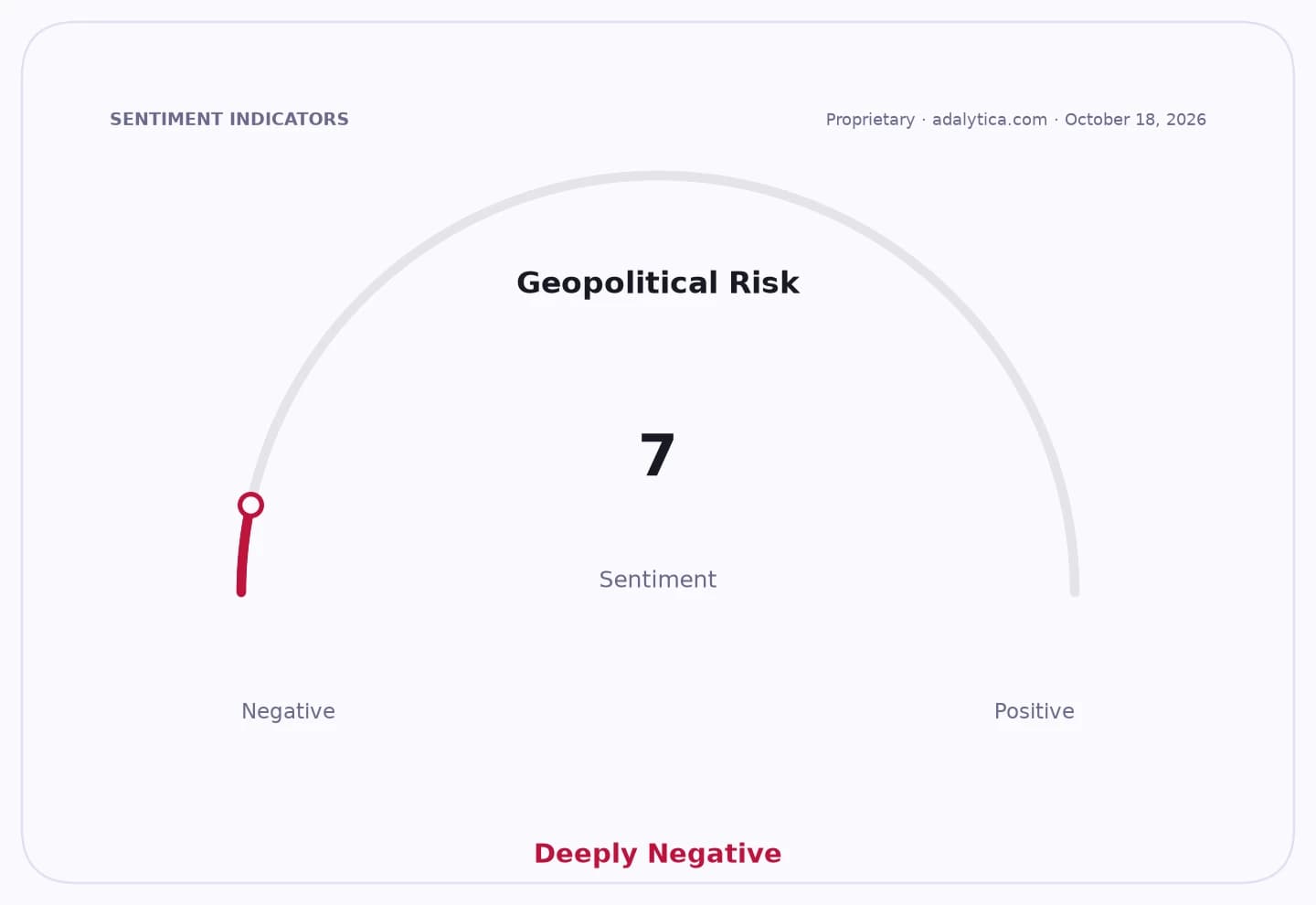
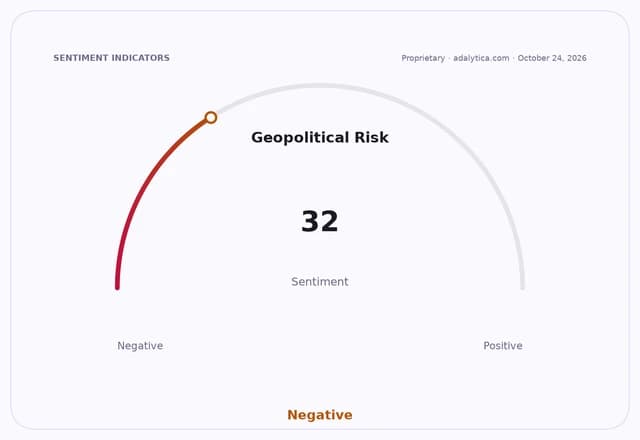
Adalytica’s Global Stability Sentiment gauge is at 32, in neutral territory, but awareness sits at 18 and remains in fear, reflecting how quickly Ukraine-related headlines can swing market attention. The next catalyst is the outcome of the Oslo and Russia meetings, along with any fresh signal on Patriot deliveries, European burden-sharing and whether Western governments accelerate air-defense shipments before Russia’s next wave of strikes.
| Entity | Gains | Losses |
|---|---|---|
| Ukraine | ▲Faster Patriot deliveries, stronger air defense | ▼Vulnerability to Russian missile strikes |
| US defense suppliers | ▲Higher demand for interceptors and batteries | ▼Delivery scrutiny and political pressure |
| Russia | ▲Diplomatic leverage if talks stall | ▼Less room to sustain escalation without costs |
| European allies | ▲Greater role in burden-sharing | ▼Higher fiscal and inventory strain |