Algeria is tightening its grip on the Sahara and its southern borderlands in a bid to restore regional clout and position itself as a harder-edged power broker in North and West Africa, a move that matters because instability in the Sahel can quickly spill into energy, trade and security markets.
Algeria Tightens Sahara Border Control
The North African energy exporter is trying to fill a vacuum created by disorder to its south while also pushing back against the diplomatic and commercial influence Morocco and the United Arab Emirates have built across the region. For investors, that raises the stakes around one of OPEC’s most important gas and oil suppliers, whose stability helps anchor Mediterranean energy flows and broader European supply security.
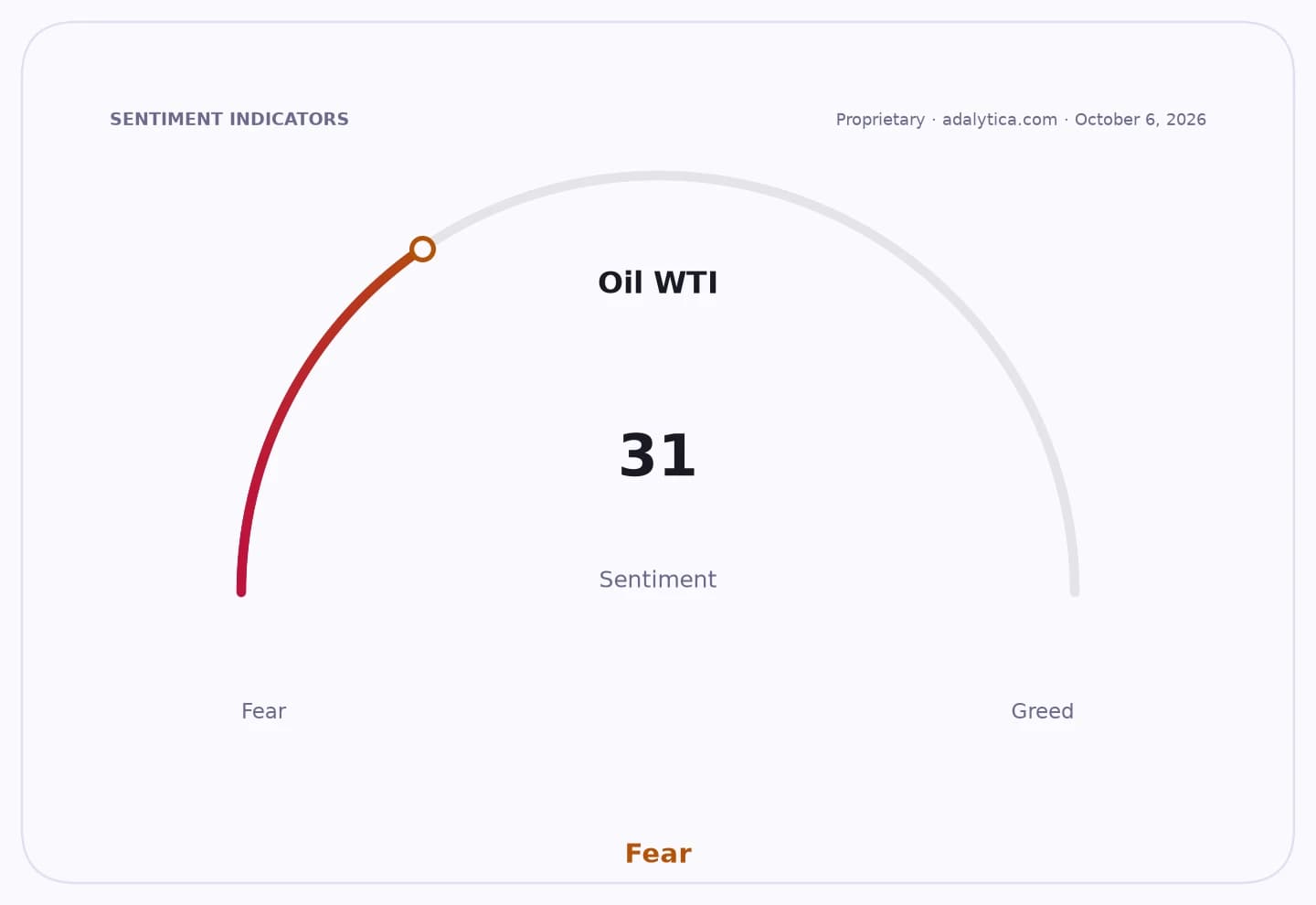
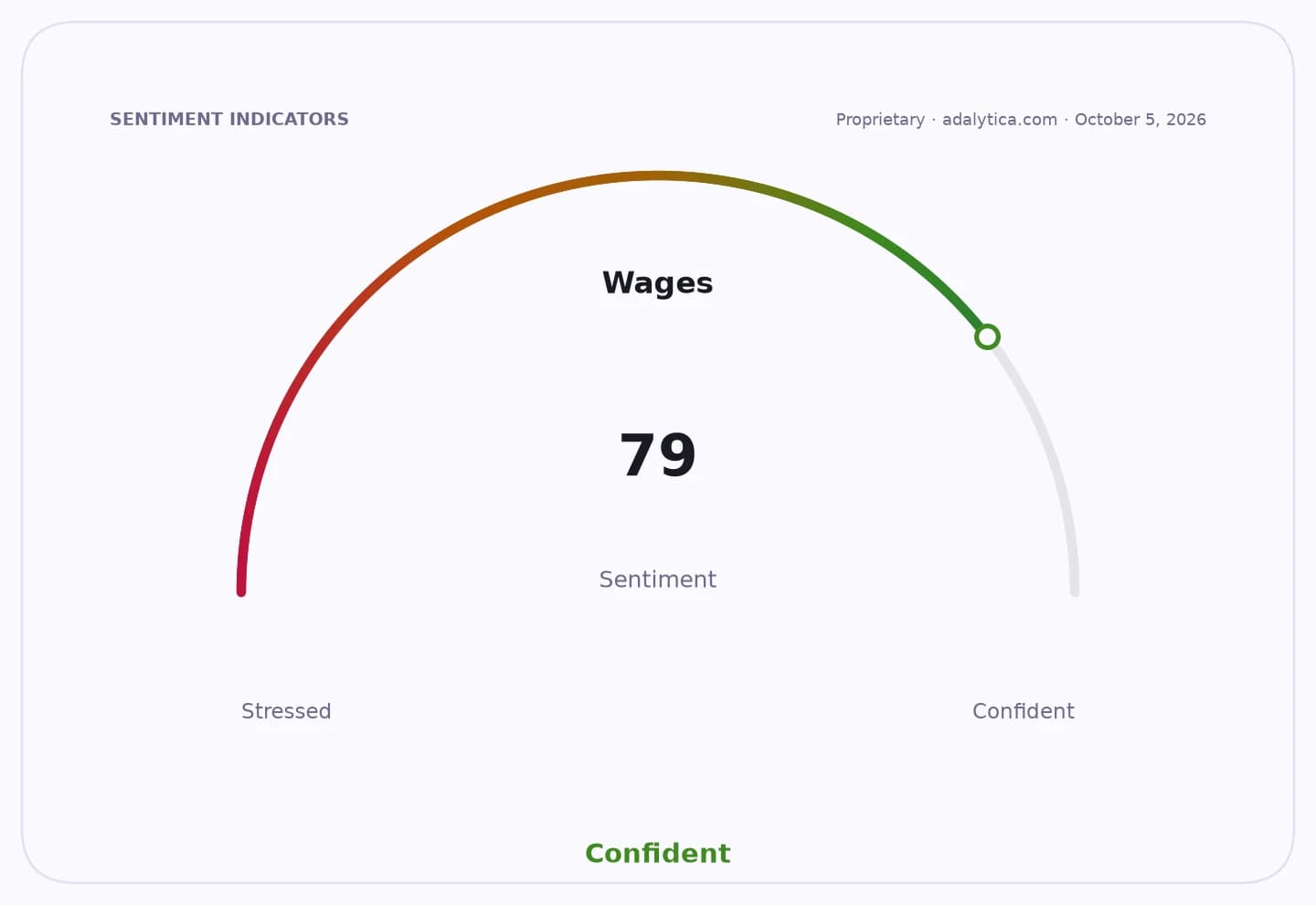
Sentiment IndicatorsⓘProprietary · adalytica.com · October 6, 2026
This is a snapshot — live sentiment, awareness and momentum for 130+ markets update continuously in the dashboard.Open AlphaPulse
Algiers has paired its security posture with a more assertive regional diplomacy, especially toward Niger and Mali, where militant violence and border tensions keep the southern frontier volatile. Mali’s army has recently struck rebel positions near the Algerian border, underscoring how quickly the conflict zone can encroach on Algerian territory and complicate trade routes, migration management and defense spending.
The government’s hard line at home is part of the same narrative. President Abdelmadjid Tebboune has backed restoring the death penalty for arson after devastating summer wildfires, a signal that the state is prepared to lean on coercive tools as it tries to project control. Human rights groups have objected, but the political message is clear: Algeria wants to be seen as a security state that can police its own periphery and deter escalation.
That matters economically because Algeria’s influence is tied to its hydrocarbons sector and to the regional corridors that connect energy producers, traders and security partners across the Sahara. Any improvement in border stability can support cross-border commerce and reduce disruption risks for energy companies with exposure to North Africa and the wider Mideast-Africa network.
The market backdrop is also favorable for the message of control. The energy sector has outperformed broader benchmarks in recent months, with the Energy Select Sector SPDR Fund up to 63.88 from 42.60 in mid-December, while the SPDR S&P Oil & Gas Exploration & Production ETF has climbed to 188.85 from 122.47 over the same stretch. Technical readings on both funds remain constructive, with prices above the 50-day and 200-day moving averages, suggesting investors are still willing to pay for geopolitical insulation and supply risk.
Adalytica’s Global Stability Sentiment gauge shows a sharp jump in market appetite for geopolitical risk, with sentiment at 82 and awareness at 7, an extreme-fear reading that often reflects investors scrambling to price in conflict and instability. That backdrop can keep a premium under oil-linked assets even when crude-specific signals are soft, and Adalytica’s WTI trade signals currently show fear at 29.
For Algeria, the challenge is whether security activism can translate into durable influence rather than episodic crisis management. If it succeeds, Algiers could regain room to maneuver against Morocco and the UAE and reinforce its standing with Sahel neighbors; if it fails, the same frontier pressures that now justify a tougher state could deepen regional friction and keep investors wary of North Africa’s political risk premium.
| Entity | Gains | Losses |
|---|---|---|
| Algeria | ▲Regional leverage | ▼Border insecurity |
| Energy exporters | ▲Supply premium | ▼Disruption risk |
| Morocco and UAE | ▲— | ▼Diplomatic ground |
| Investors in oil-linked assets | ▲Geopolitical hedge | ▼Volatility if tensions rise |