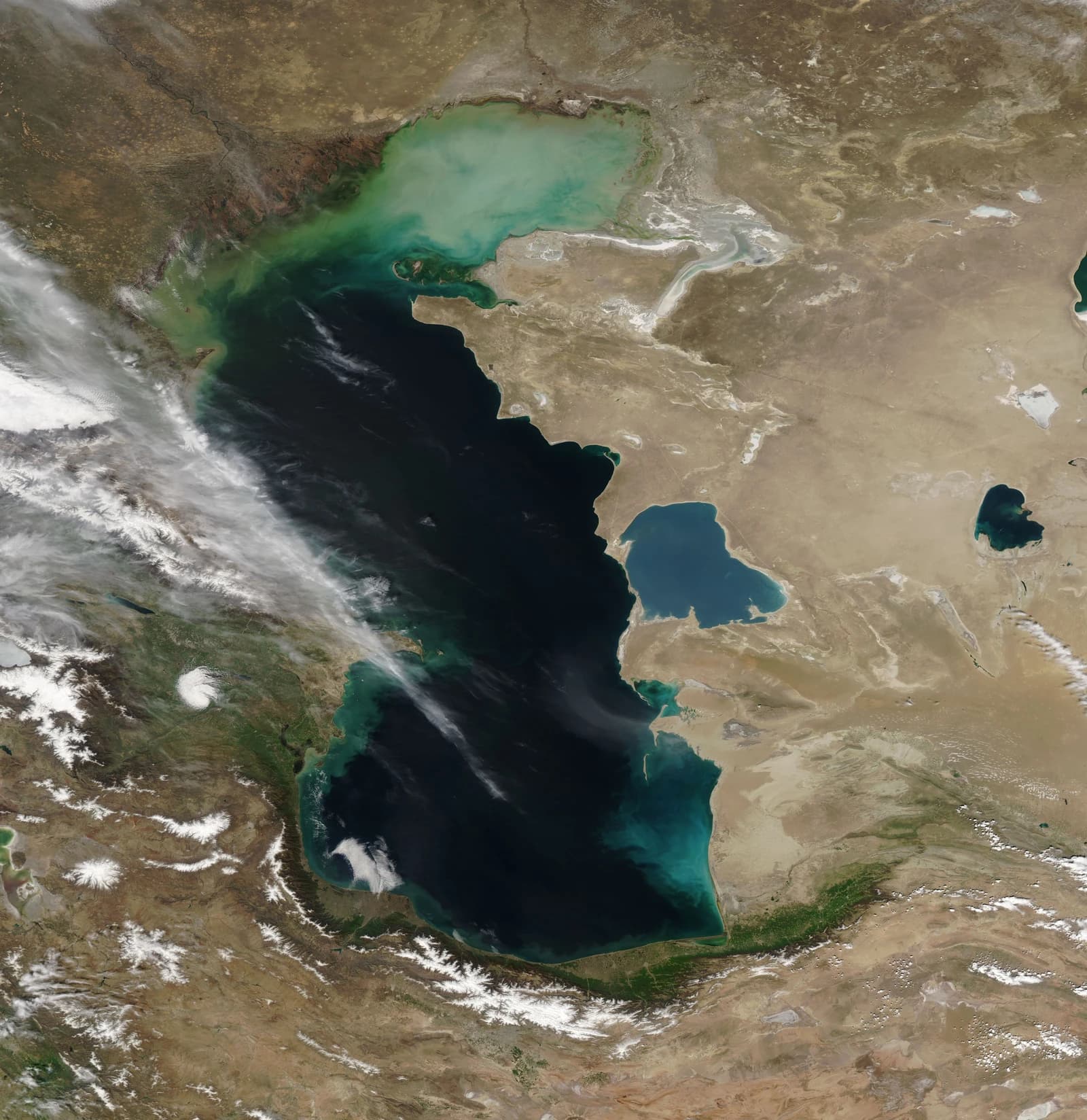
The European Union is deepening its energy ties with Algeria, keeping Algerian gas at the center of supply security while laying the groundwork for a broader hydrogen and renewables partnership that could reshape North Africa’s role in Europe’s energy system.
EU and Algeria Expand Gas and Hydrogen Ties
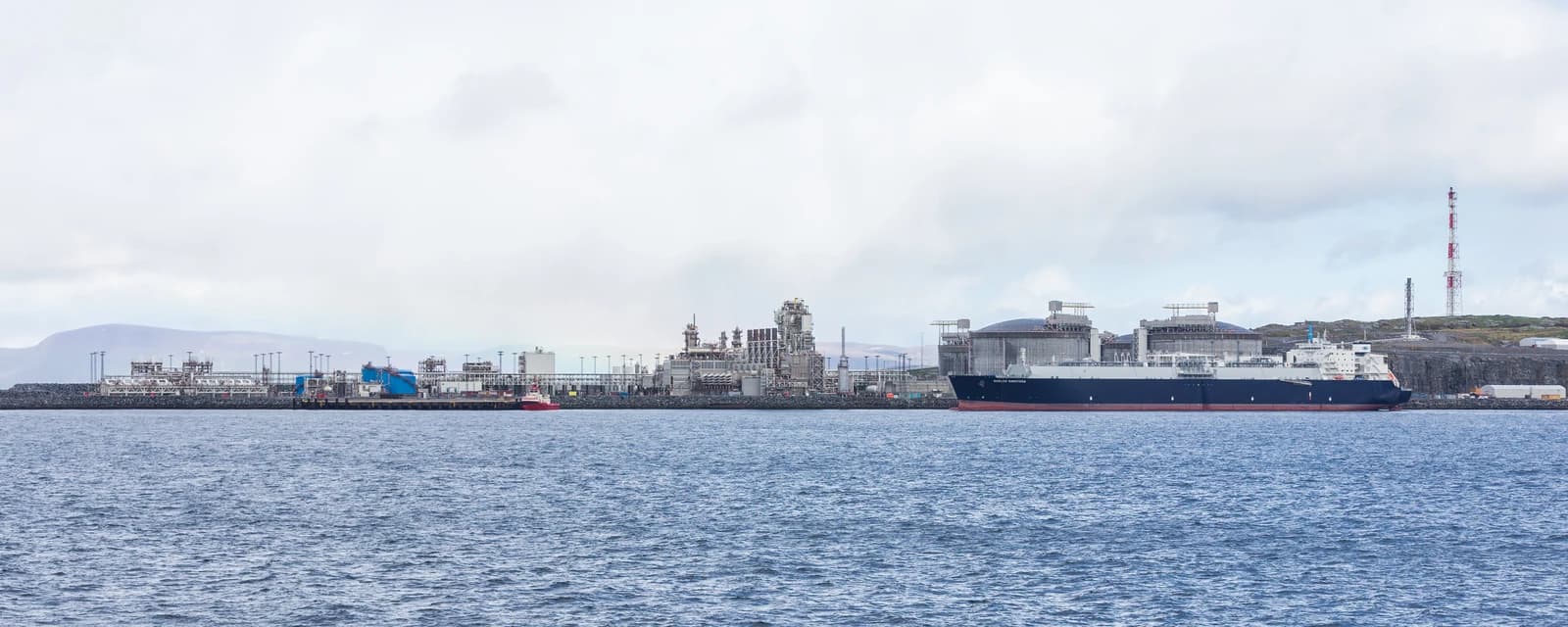
That matters because Europe still relies on Algeria as its second-largest gas supplier by pipeline, and the EU remains the main market for Algerian gas. With winter approaching and European storage levels under pressure, any reinforcement of Mediterranean supply links is economically important for power prices, industrial costs and the region’s energy security.
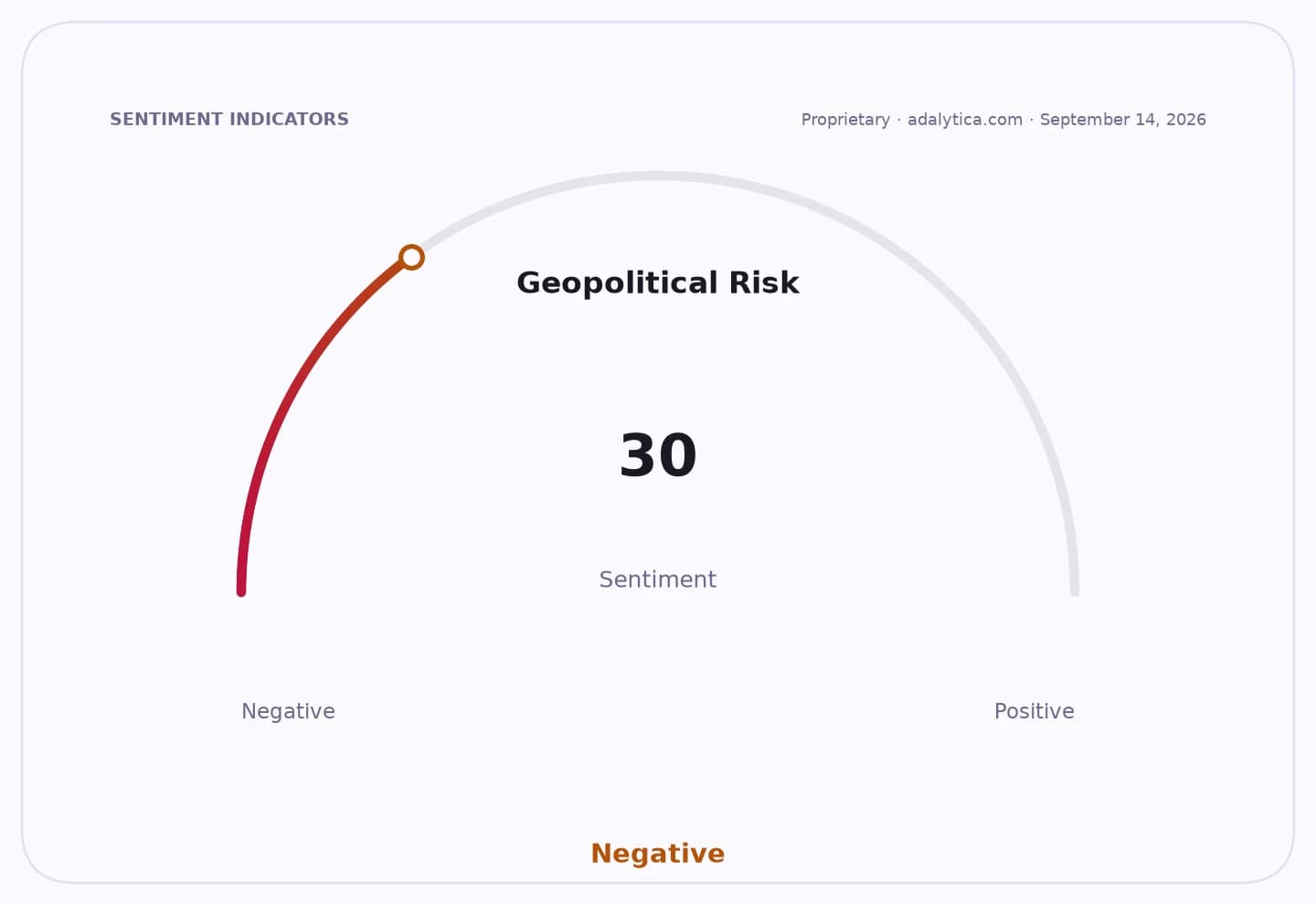
Sentiment IndicatorsⓘProprietary · adalytica.com · October 12, 2026
This is a snapshot — live sentiment, awareness and momentum for 130+ markets update continuously in the dashboard.Open AlphaPulse
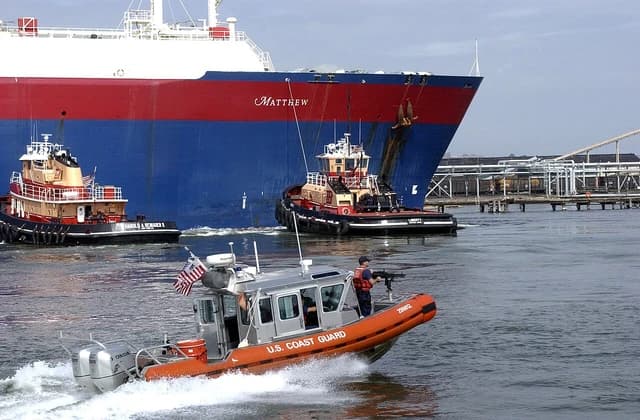
EU ambassador to Algeria Diego Mellado Pascua called Algeria an “essential, strategic and reliable” partner at the NAPEC 2026 energy conference in Oran, underscoring how closely Brussels now ties energy security to North African pipeline flows. The relationship is already anchored by direct infrastructure across the Mediterranean and by especially close links with Italy, Spain, Germany, Austria and Denmark.
The new element is hydrogen. Brussels wants to use Algeria’s solar potential, existing energy infrastructure and industrial base to support green hydrogen exports, alongside renewables. For investors, that widens the opportunity set beyond conventional gas: pipeline operators, utilities, electrolyzers, grid developers and infrastructure investors could all benefit if the partnership moves from memorandums to capital spending.
The SoutH2 Corridor has emerged as a centerpiece of that shift. The roughly 3,300-kilometer project is designed to connect North Africa to Italy, Austria and Germany, partly by repurposing existing energy infrastructure for hydrogen transport. If it advances, the corridor could lower the cost and timeline of building a new cross-border hydrogen market.
For gas markets, the near-term takeaway is still supply discipline. The EU is not replacing gas, but trying to extend its role while building the next layer of the energy mix. For Algeria, the prize is bigger export optionality and fresh foreign investment at a time when Europe is looking for reliable non-Russian supply and lower-carbon molecules.
The immediate catalyst will be whether the partnership at Oran turns into binding infrastructure commitments, financing and purchase contracts. Until then, gas remains the backbone, but hydrogen is increasingly the strategic add-on investors will watch.
| Entity | Gains | Losses |
|---|---|---|
| Algeria | ▲Export leverage | ▼Dependence on gas revenues |
| European Union | ▲Supply security | ▼Need for costly diversification |
| Gas pipeline operators | ▲Steadier volumes | ▼Pressure to adapt networks |
| Hydrogen developers | ▲New project pipeline | ▼Slow policy execution |