Egypt is solidifying its role as the eastern Mediterranean’s commercial gateway for gas, and that matters because the country already has the pipelines, processing plants and LNG export terminals that can turn offshore discoveries into cash flow faster and more cheaply than building new infrastructure from scratch.
Egypt Gas Gateway Seen as Eastern Med Hub
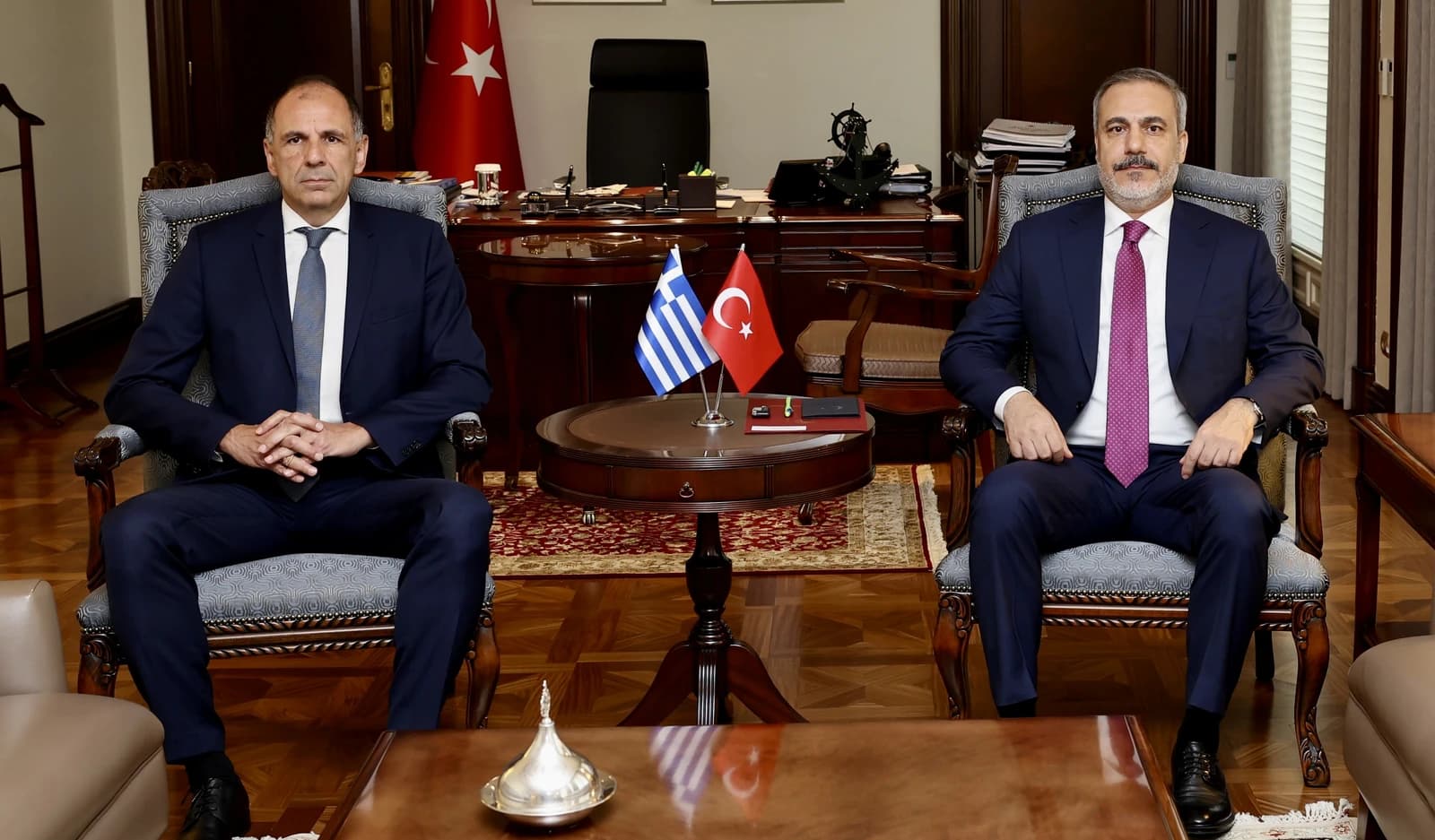
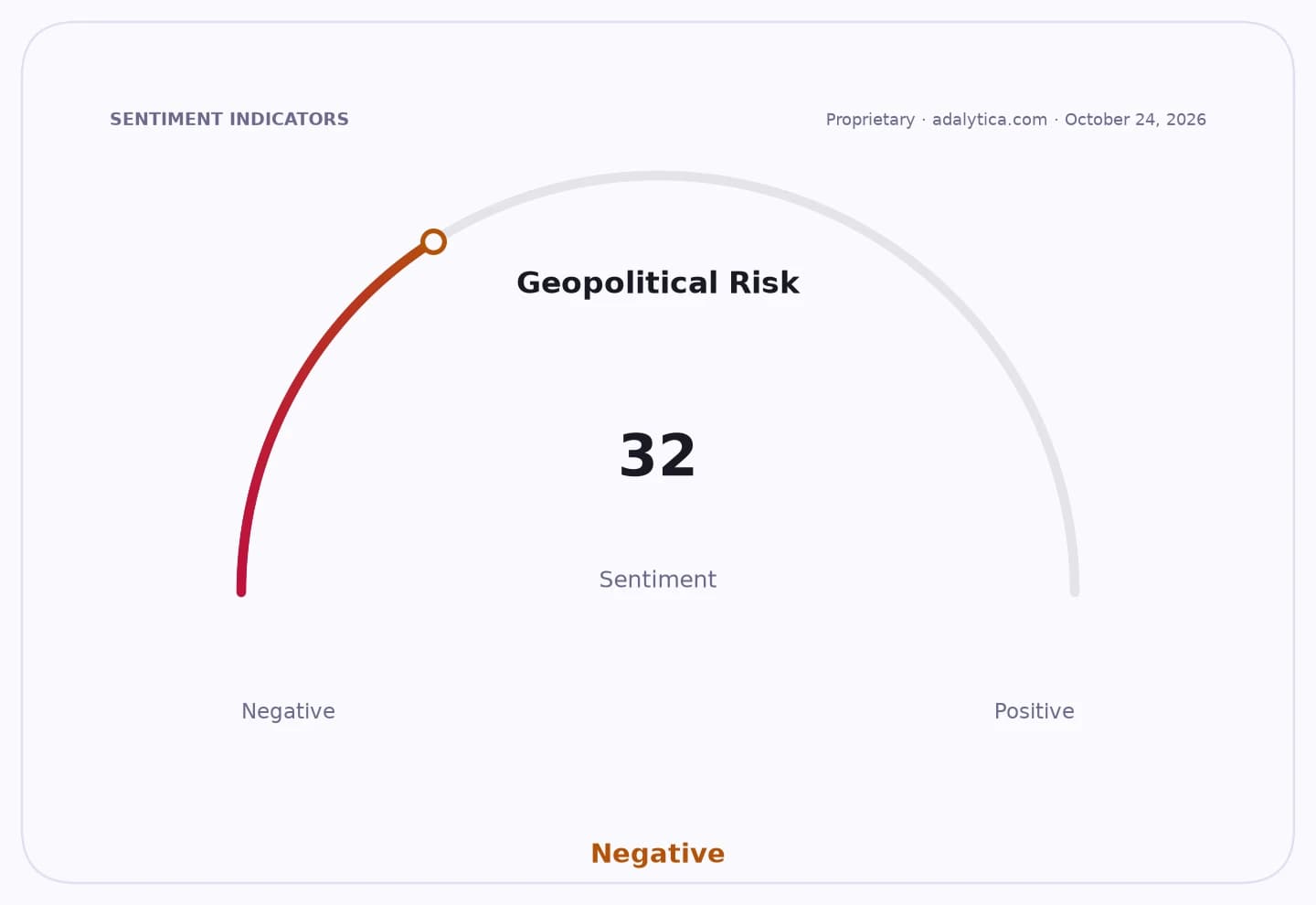
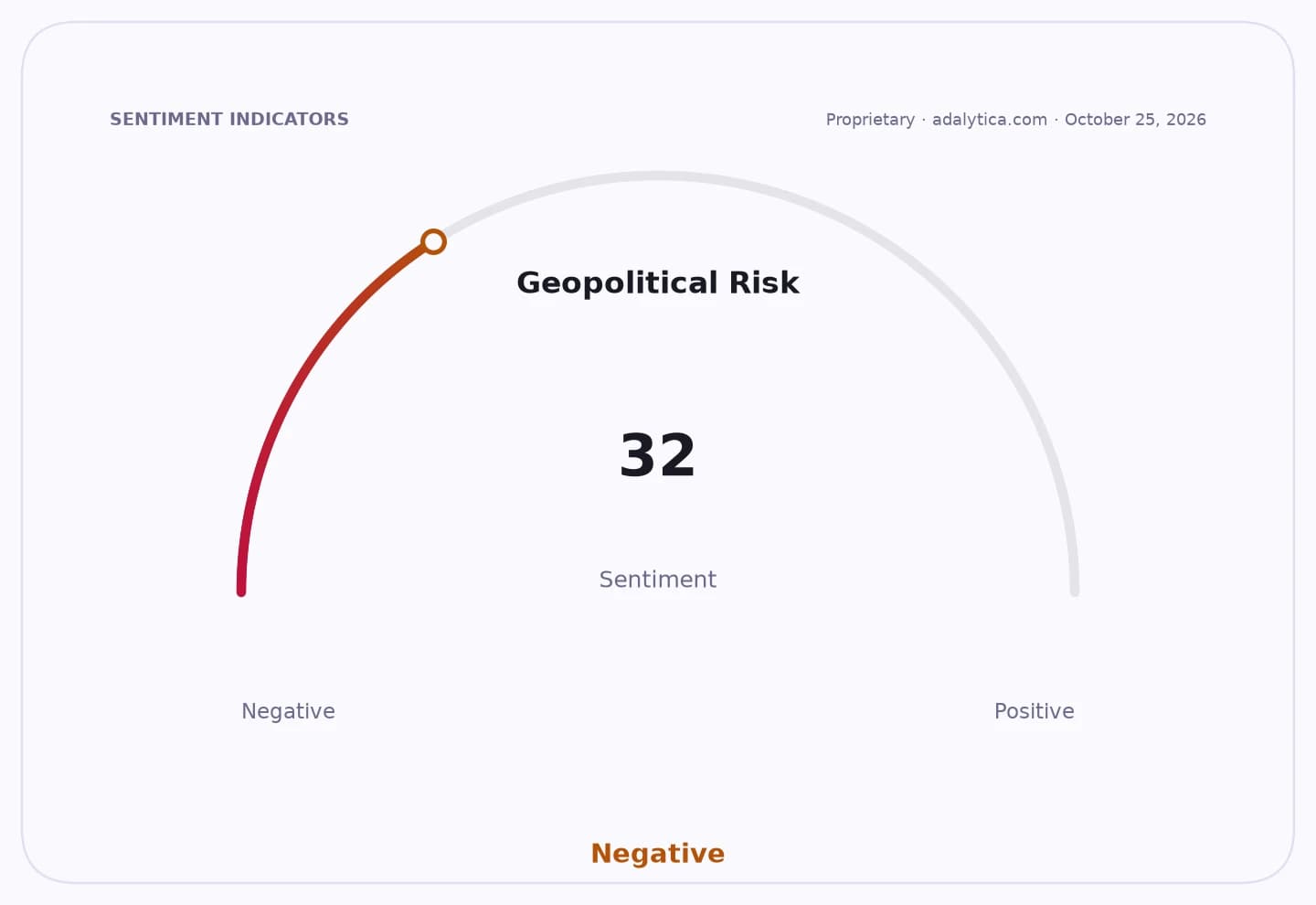
That was the message from executives at Eni, TotalEnergies and Chevron at the Mediterranean Petroleum Conference in Alexandria, where the world’s biggest energy names said Egypt’s infrastructure, geography and regional partnerships are central to speeding up development of gas found off Cyprus and elsewhere in the basin. For investors, the significance is clear: in a world of tighter supply, volatile shipping routes and higher geopolitical risk, the winners are not just the producers with gas in the ground, but the countries and companies that control the route to market.
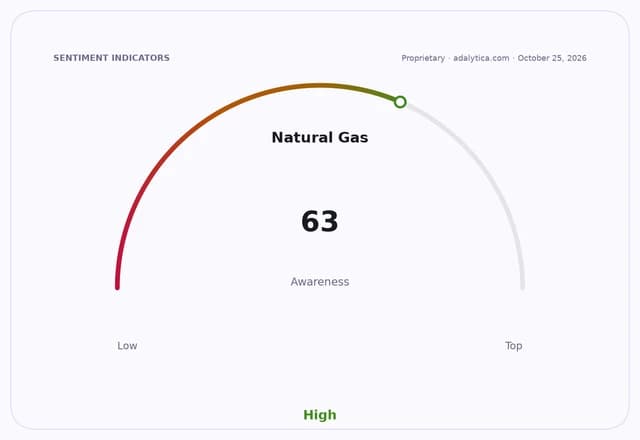
Eni said it expects first gas from Cyprus’ Kronos field in 2028, using Egyptian infrastructure as the backbone of the project. That is more than a project update. It is a proof point for a new cross-border value chain linking Cyprus to Egypt’s processing and export system, cutting development costs, shortening timelines and reducing the capital intensity of bringing offshore reserves on stream. The company said the field, approved for investment only months ago, is designed to be the first Cypriot gas project to reach market, a milestone that could set the template for future eastern Mediterranean developments.
The investment case extends beyond Kronos. Eni highlighted recent progress on Egypt’s Denis West discovery, where a commercial agreement was reached in August 2025 and drilling started two months later, with resources estimated at about 2 trillion cubic feet of gas. The company wants to move toward a final investment decision and start production in less than two years. That pace is exactly what the market is missing: Egypt is not just hosting projects, it is compressing the time between discovery and revenue.
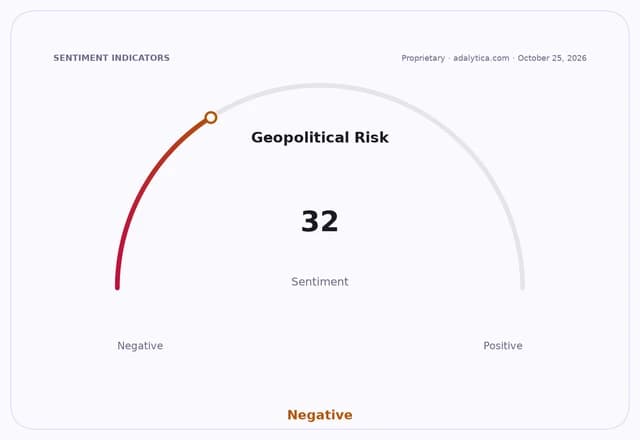
TotalEnergies called Egypt a bridge between producing regions and consuming markets at a time when geopolitical tensions and trade disruptions are reshaping energy flows. The French group pointed to Egypt’s processing, storage, LNG export facilities, pipeline network, SUMED link and Suez Canal access as an integrated advantage that few countries can match. In a sector where bottlenecks often destroy value, that kind of infrastructure is a moat.
Chevron framed the eastern Mediterranean as a long-term growth region and said the area remains rich in exploration upside. It also underscored a key requirement for capital to keep flowing: stable fiscal terms, fair regulation, efficient licensing and access to infrastructure. In other words, geology may create the opportunity, but policy and midstream capacity determine who captures it.
The broader strategic prize is Europe. Egypt’s cooperation with Cyprus and Greece creates optionality for gas to move through Egyptian facilities and, eventually, into regional networks reaching southern and central Europe. That is especially relevant as Europe continues to seek diversified supply after years of energy shocks. For Athens, Nicosia and Cairo, the pitch is straightforward: faster monetization of reserves, lower project risk and a more resilient supply chain.
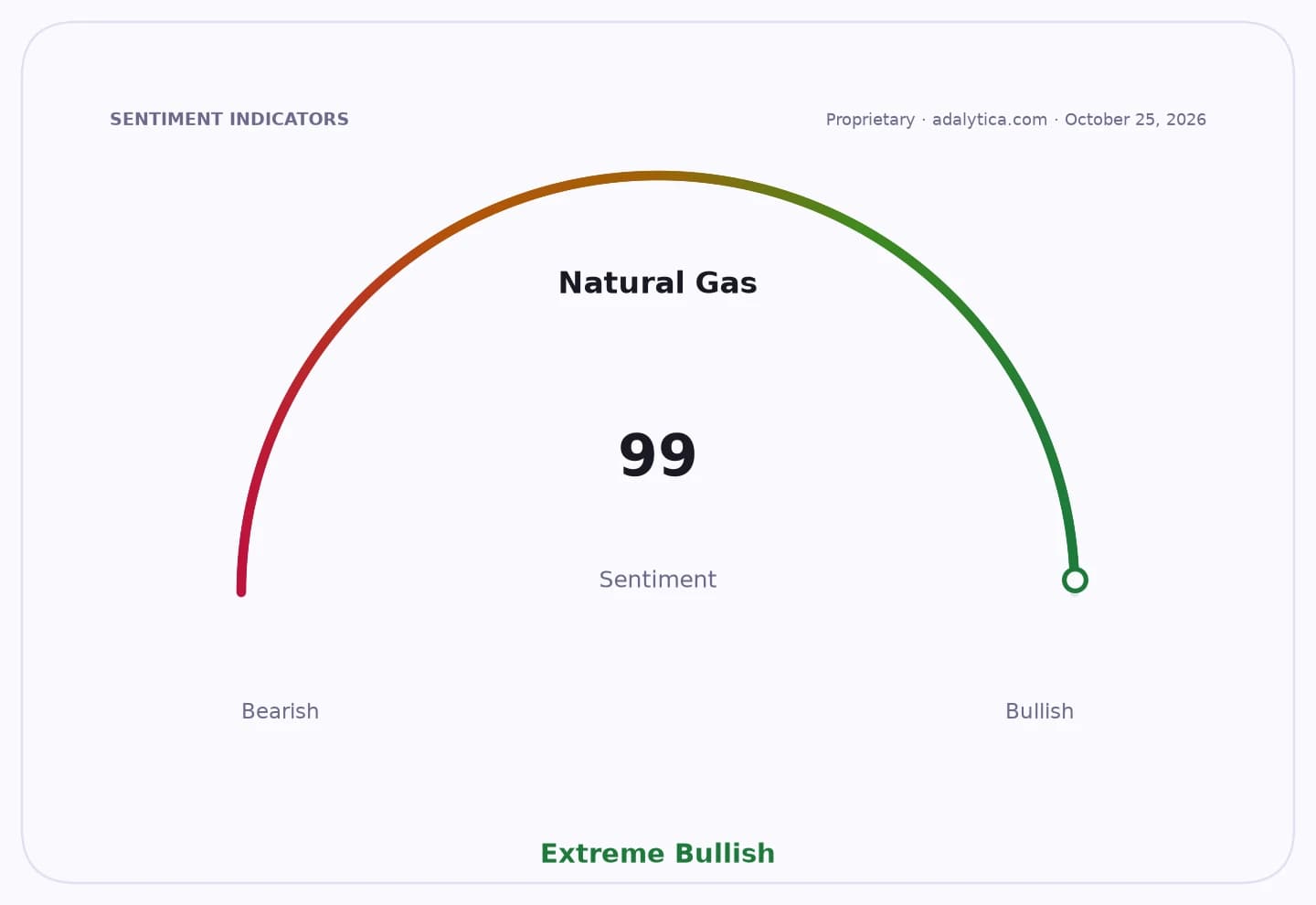
For investors, the opportunity sits in the toll roads of the energy system. The market tends to reward upstream discoveries, but the better asymmetric trade may be the infrastructure and export platform that monetizes them. That favors Egypt-linked gas processing, LNG and transport assets, along with companies such as Eni, TotalEnergies and Chevron that can secure advantaged project access and long-dated production growth. If Egypt keeps proving it can move gas from discovery to export faster than its neighbors, the valuation gap between the basin’s resource holders and its market gatekeepers may start to close.
The next catalyst is execution: final investment decisions, drilling milestones and early engineering work on Cyprus-to-Egypt flows. If those deadlines hold, Egypt’s role as the eastern Mediterranean’s gas gateway could become one of the clearest multi-year energy stories in the region. The market should treat that as a structural, not cyclical, advantage.
| Entity | Gains | Losses |
|---|---|---|
| Egypt | ▲Transit fees, strategic leverage | ▼Need for sustained capex |
| Eni / TotalEnergies / Chevron | ▲Faster monetization, lower project risk | ▼Higher compliance and execution burden |
| Cyprus gas projects | ▲Access to existing export route | ▼Building standalone infrastructure |
| Europe / buyers | ▲More diversified gas supply | ▼Less exposure to low-cost spot alternatives |