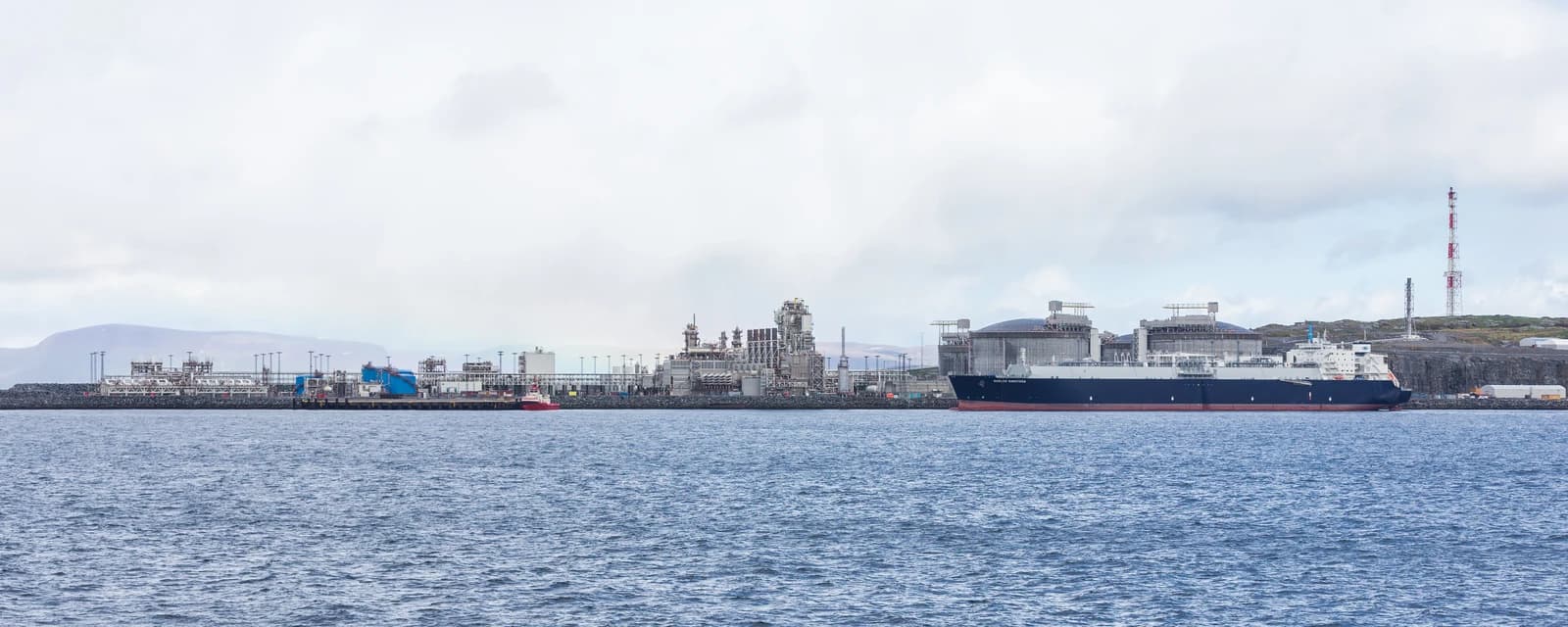
Egypt has taken a useful step toward easing its gas squeeze, with Eni launching operations at the second phase of the Mleiha project in the Western Desert through its joint venture Aghiba Petroleum.
Eni starts second phase of Mleiha gas project in Egypt
That matters because gas is still the fuel that keeps Egypt’s power system, factories and export ambitions moving. A new processing hub capable of handling up to 100 million standard cubic feet a day gives Cairo a better shot at lifting domestic supply, cutting bottlenecks and monetizing Western Desert resources faster. For a country that has been working to rebuild energy output and protect foreign-currency inflows, even one project like this can have outsized economic value.
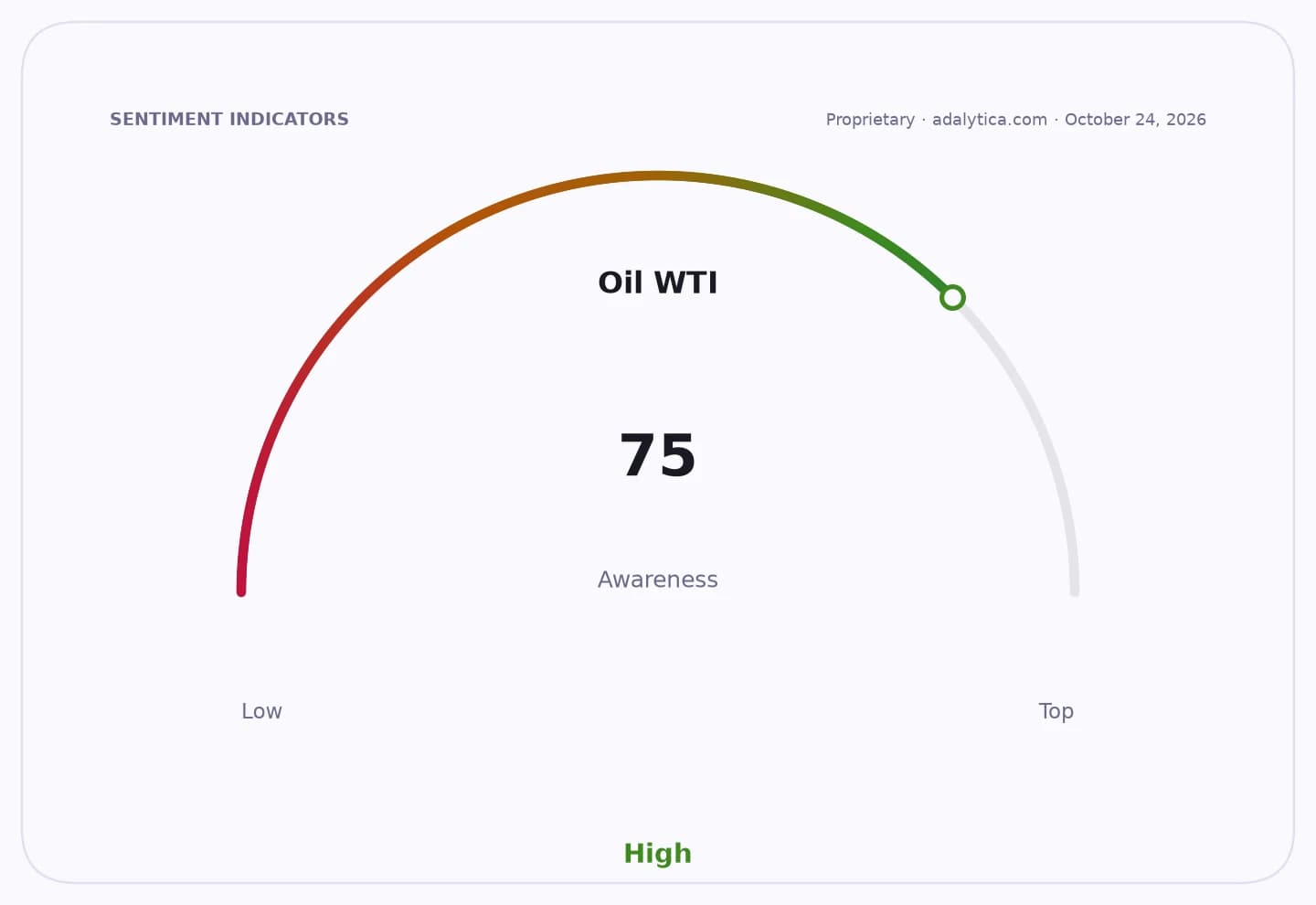
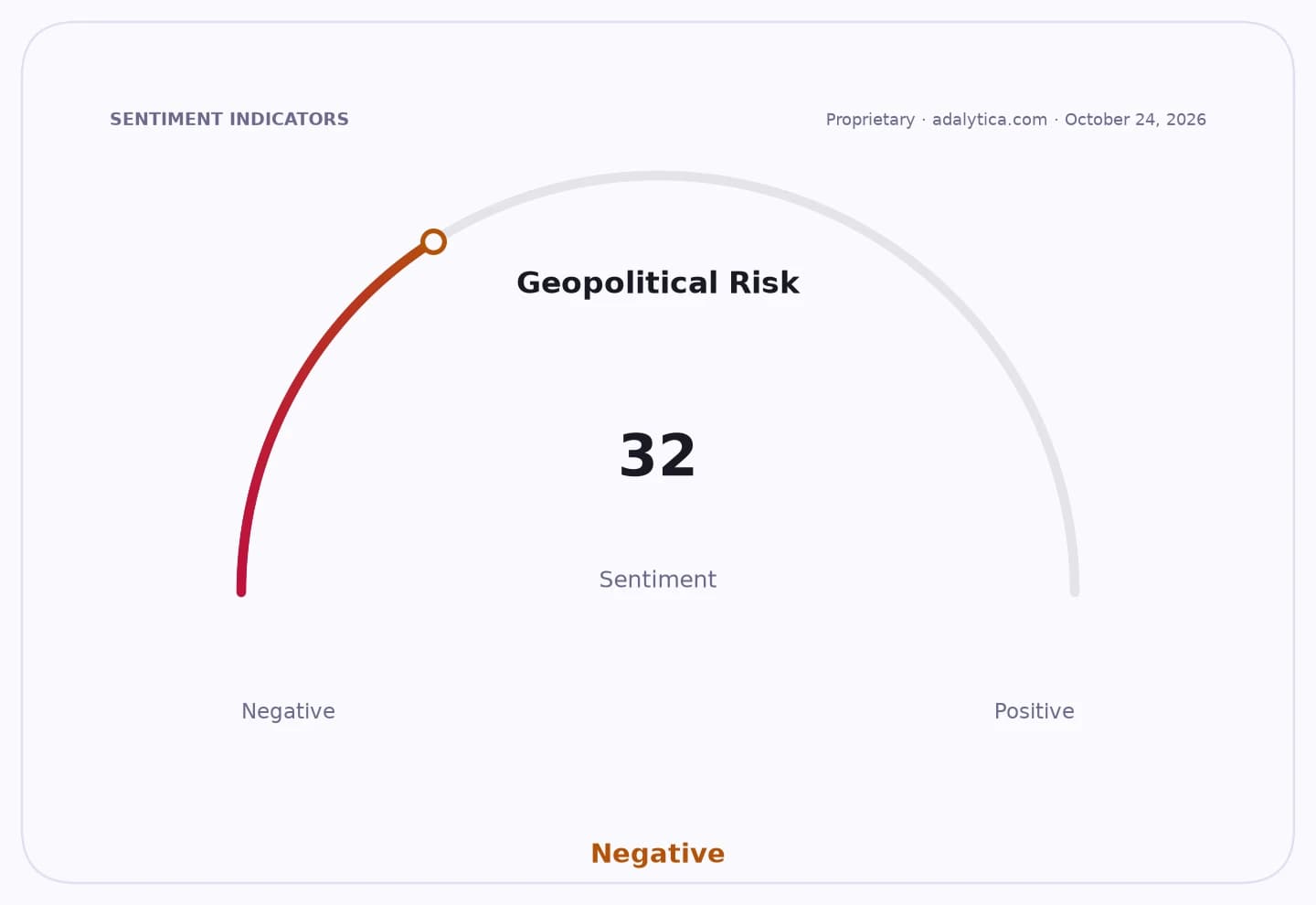
Sentiment IndicatorsⓘProprietary · adalytica.com · October 24, 2026
This is a snapshot — live sentiment, awareness and momentum for 130+ markets update continuously in the dashboard.Open AlphaPulse
The project is not just a processing plant. Eni said the second phase includes development wells, gathering networks, main transport lines and a new gas export line, tying fresh production into Egypt’s existing gas infrastructure. That is the kind of upstream-to-midstream integration that tends to matter most in emerging energy markets: it lowers operational friction, improves recovery rates and helps producers turn reserves into cash flow sooner.
Eni also underscored how central Egypt remains to its portfolio. The Italian major said it has operated in the country since 1954 and is now Egypt’s biggest energy producer, with 2025 hydrocarbon output of about 242,000 barrels of oil equivalent a day on its production-share basis. That scale helps explain why investors tend to view Egypt not just as a resource story, but as a strategic core market for Eni’s longer-term growth and regional gas strategy.
The timing is constructive for the company too. Eni shares have been trading above both their 50-day and 200-day moving averages, while the stock’s RSI has climbed into overbought territory, reflecting strong market momentum. Exxon Mobil and BP have also been firmer, but the Egyptian project gives Eni a more direct operational lever in a region where gas infrastructure remains one of the clearest long-term advantages.
For investors, the bigger takeaway is that this is the kind of project that compounds quietly over time. It does not transform Egypt’s energy balance overnight, but it strengthens a production system that can support domestic demand, regional exports and corporate returns for years. In a world still short of reliable gas supply, infrastructure that turns resources into usable volumes faster is worth watching closely.
| Entity | Gains | Losses |
|---|---|---|
| Egypt | ▲More gas supply | ▼Less import pressure |
| Eni | ▲Higher output potential | ▼Capital tied to execution |
| Local industry | ▲Better fuel availability | ▼None near term |
| Competing gas importers | ▲None | ▼Tighter supply advantage |