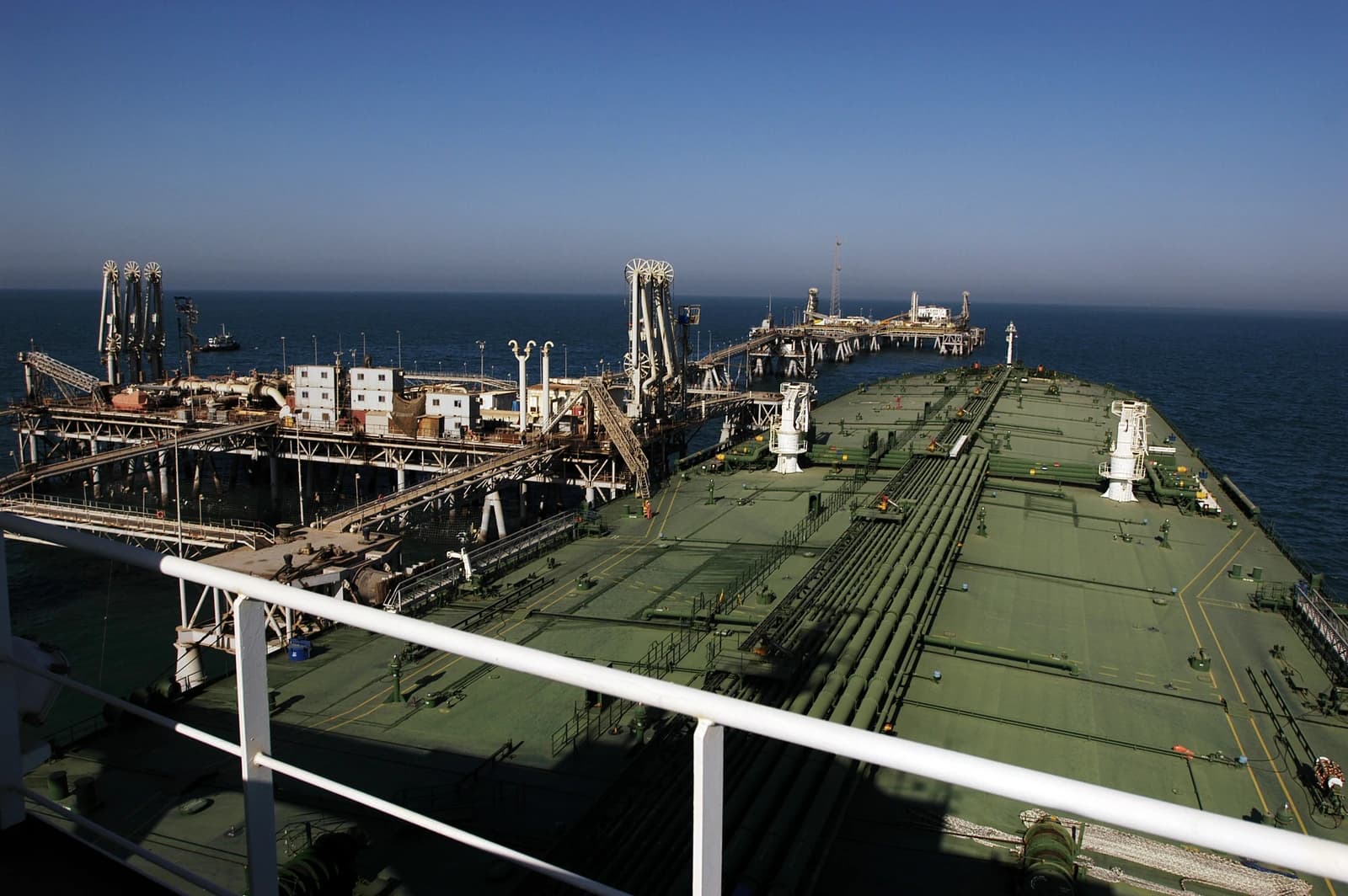
Mellita Oil and Gas is preparing to bring a new associated-gas project online at Libya’s Bouri field by the end of October, a move that could meaningfully trim wasteful flaring, lift domestic gas supply and support power generation in a country that still struggles with energy reliability.
Libya Bouri gas project to cut flaring by October
That matters because this is not just an operating update; it is a small but important step toward monetizing gas that would otherwise be burned off during oil production. The project is expected to process about 100 million cubic feet of gas a day, or roughly 25 billion cubic feet a year, according to local reporting. For Libya, where the oil sector remains the backbone of state revenue and electricity shortages remain a recurring economic drag, every incremental cubic foot that can be captured and sold is valuable.
The project also speaks to a broader shift in how Libya’s National Oil Corp. wants to run its upstream business: less flaring, more usable gas, and a cleaner balance sheet for the country’s energy system. Officials say the new unit will help reduce carbon dioxide emissions by about 1.5 million tons a year, while also supplying more fuel to local markets and power plants that depend on gas to keep the lights on.
For investors, the significance is twofold. First, better gas capture improves the economics of oil production by turning a byproduct into a revenue stream. Second, it points to a more disciplined approach to infrastructure investment in a country where operational bottlenecks have long limited output and hurt confidence. Libya is not an obvious destination for conservative capital, but projects that raise recovery rates and reduce waste are exactly the kind of low-cost improvements that can compound over time.
There is also a broader energy-market lesson here. Around the world, producers are under pressure to cut flaring and prove they can extract more value from existing fields rather than relying only on new drilling. That trend matters to long-term investors because it rewards companies and national oil systems that can squeeze more cash flow from legacy assets without massive new capital spending.
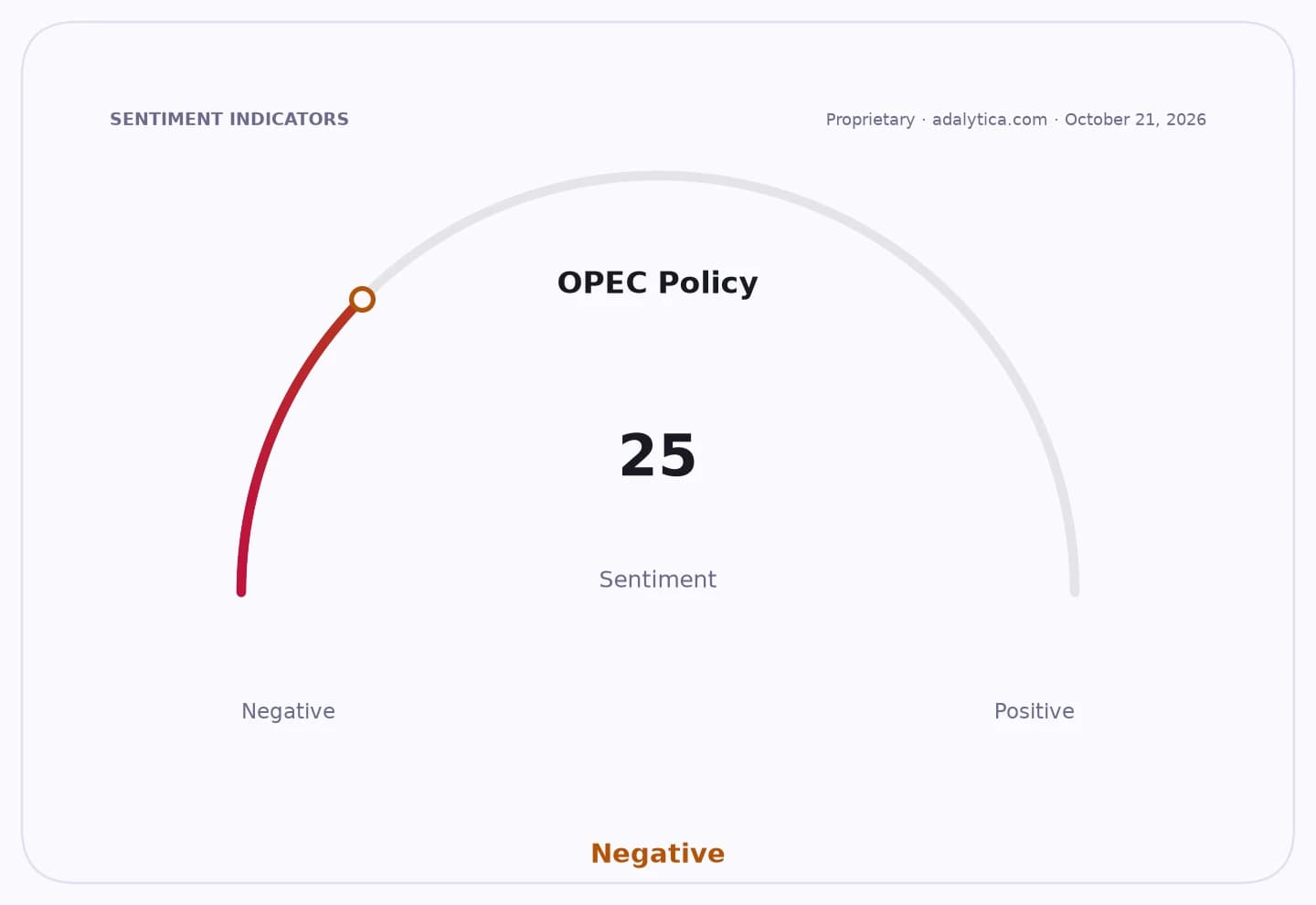
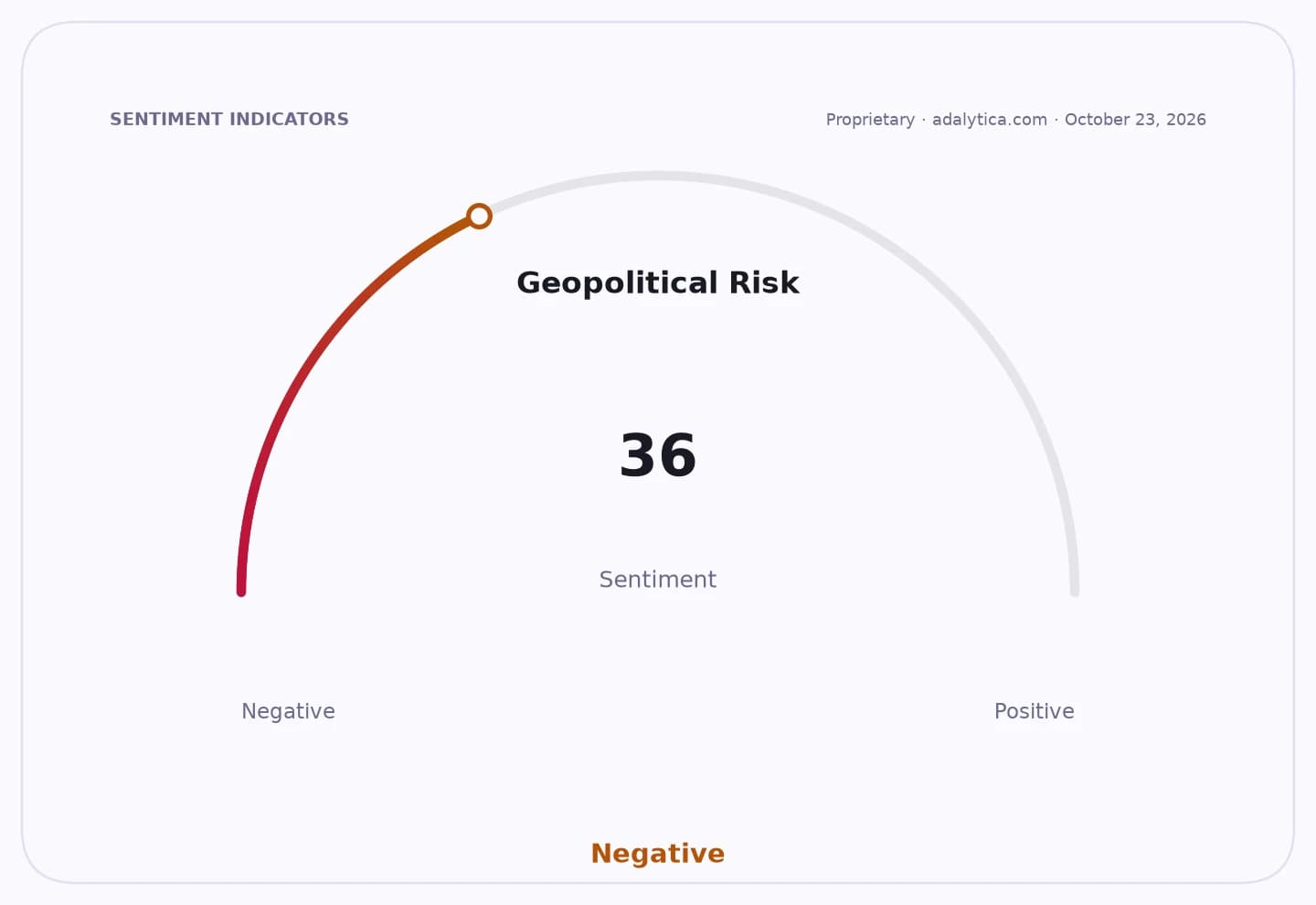
The main risk, as always in Libya, is execution. Political instability, security concerns and infrastructure delays can all interfere with timelines. But if Mellita Oil starts the Bouri project on schedule, it will strengthen the case that Libya can make incremental progress on production efficiency even before any larger sector reform arrives.
For long-term investors, the takeaway is straightforward: projects that convert stranded gas into useful supply are exactly the sort of quietly compounding developments that can improve energy security, lower emissions and support cash generation over years, not weeks. This one is worth watching.
| Entity | Gains | Losses |
|---|---|---|
| Mellita Oil and Gas | ▲More output efficiency | ▼Execution risk |
| Libya power sector | ▲Extra gas supply | ▼Fuel shortages |
| National Oil Corp. | ▲Lower flaring, better monetization | ▼Legacy waste costs |
| Environment | ▲Fewer emissions | ▼Continued oilfield activity |