Libya used talks in Riyadh to press its return to the centre of OPEC+ diplomacy while seeking Saudi backing for investment in a country whose oil sector remains critical to state finances and vulnerable to supply shocks.
Libya Seeks Saudi Investment and OPEC+ Role
The delegation from the Tripoli-based government discussed the agenda for the next OPEC+ ministerial meeting as crude markets remain sensitive to disruptions in shipping, insurance costs and security along key export routes. For Libya, the timing matters: any hint of tighter coordination among producers or further supply uncertainty can quickly feed through to prices, revenues and the bargaining power of oil-dependent states.
The meetings also show Libya is trying to turn energy diplomacy into capital inflows. The delegation met Saudi Assistant Minister of Investment Abdullah bin Zar’ah to explore a Libyan-Saudi business council, closer ties between Libya’s investment and development funds and their Saudi counterparts, and possible use of the Islamic Development Bank to finance strategic projects. A Saudi delegation is expected to visit Libya to assess opportunities on the ground.
That combination is economically significant for both sides. Libya needs investment to rebuild infrastructure, stabilize production and widen an economy still heavily reliant on hydrocarbons. Saudi Arabia, meanwhile, has an interest in regional energy stability and in deploying capital where returns may be high if political risk can be managed. The relationship also gives Riyadh another channel to shape producer coordination beyond formal OPEC+ meetings.
Oil market signals remain supportive of the broader theme. Benchmark crude has held near the upper end of its recent range, with front-month U.S. oil trading close to $99 a barrel, while the oil-sector ETF XLE has stayed above its 50- and 200-day moving averages. The moves reflect an environment in which supply discipline, geopolitical risk and producer coordination still dominate investor thinking.
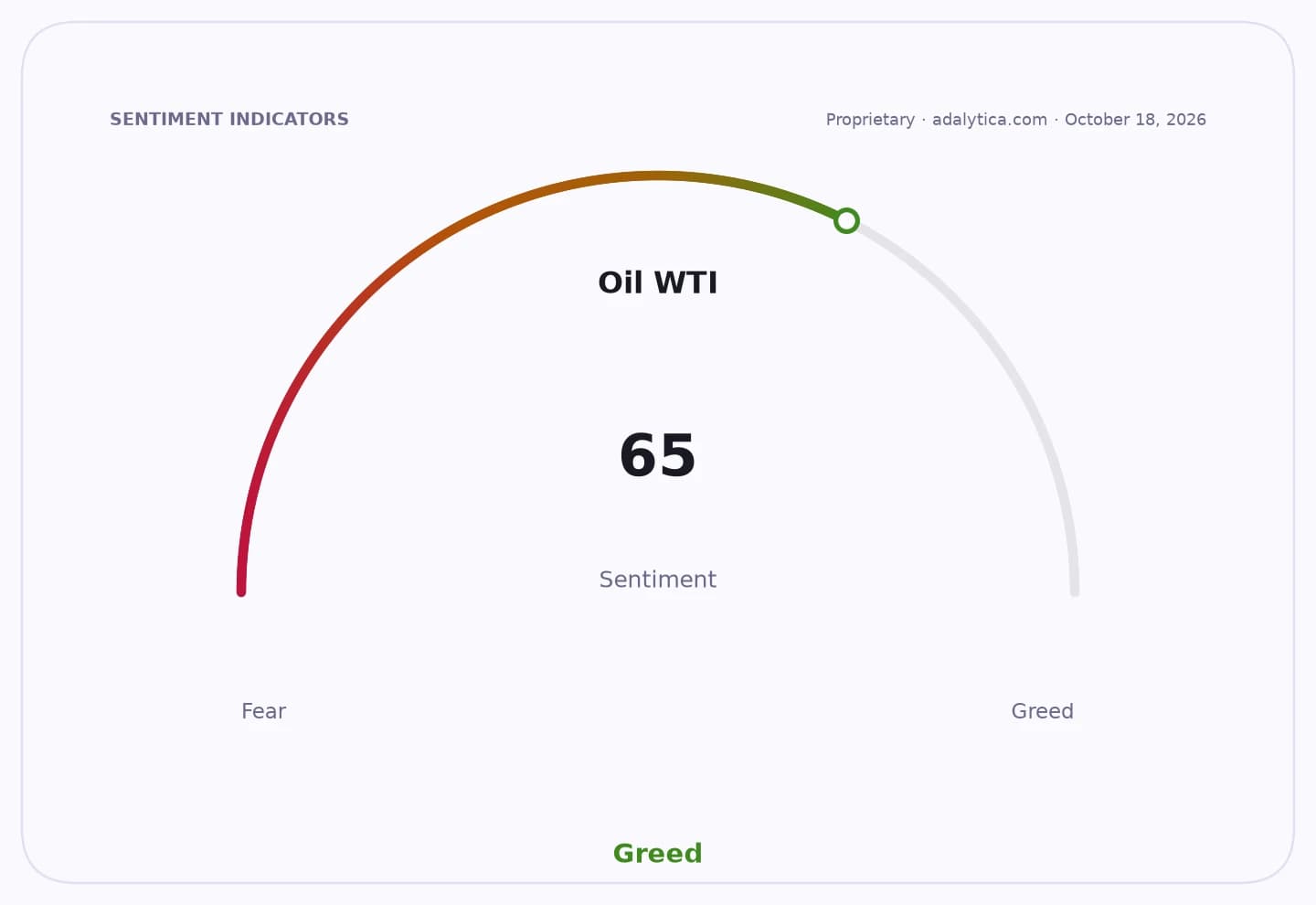
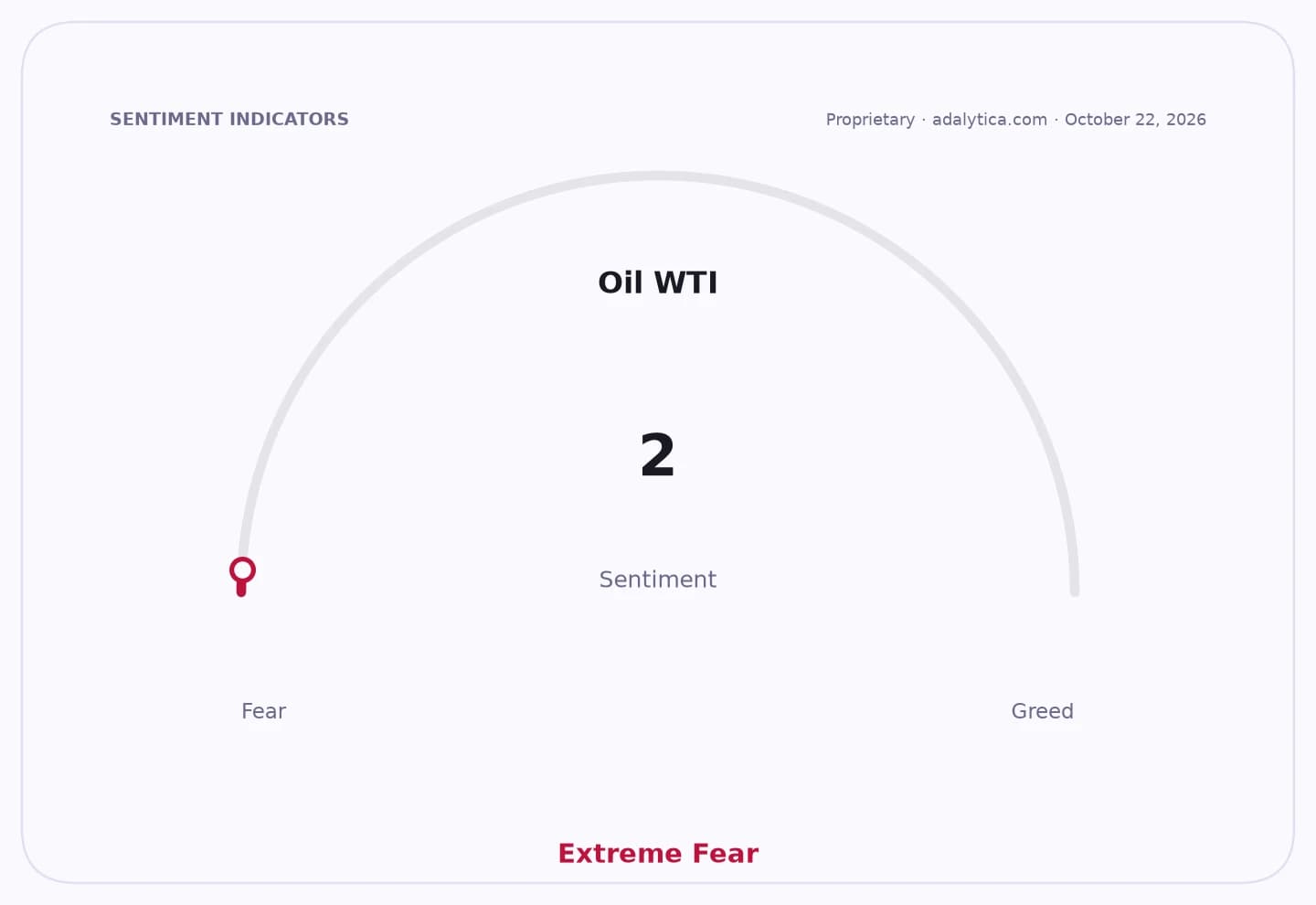
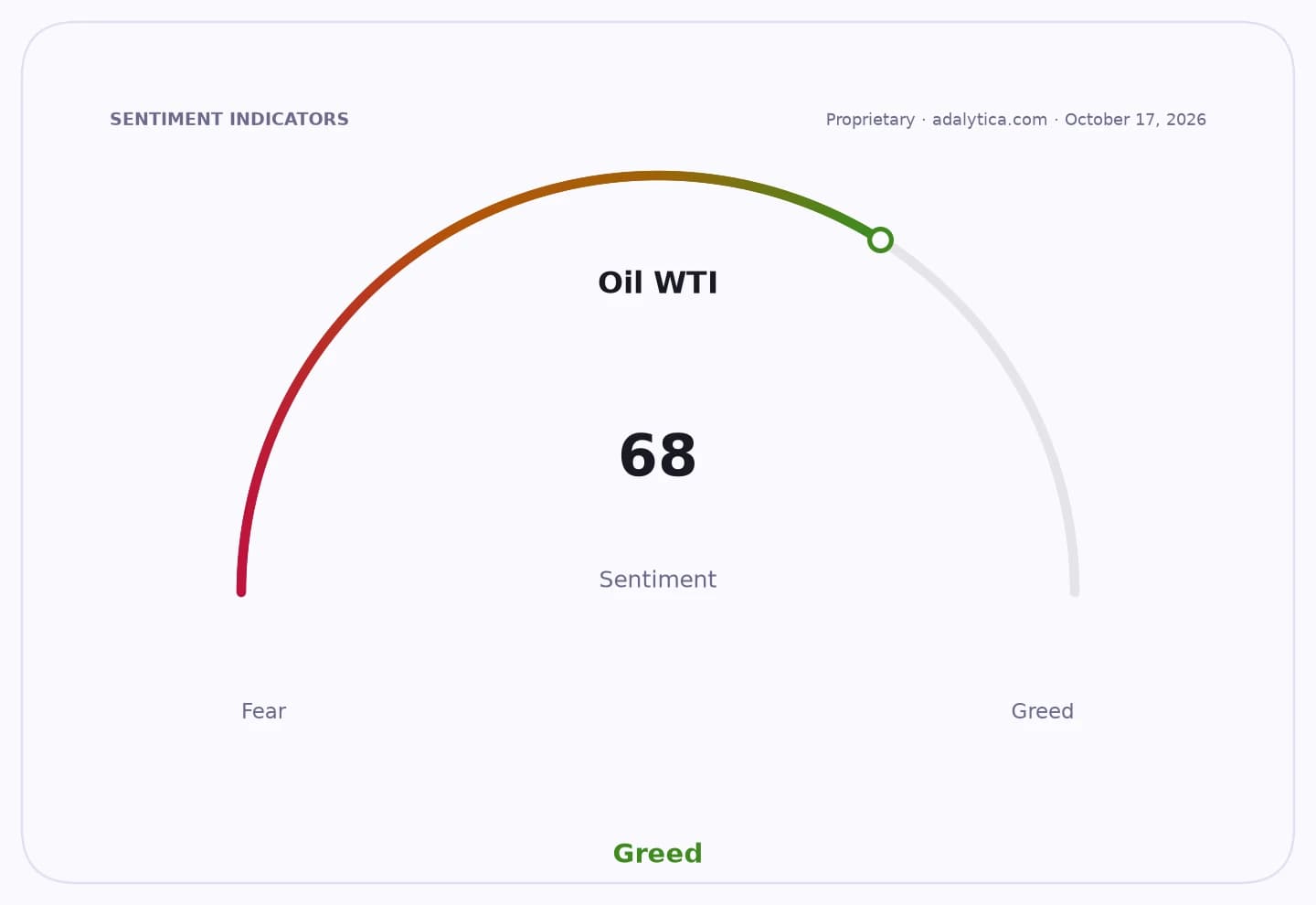
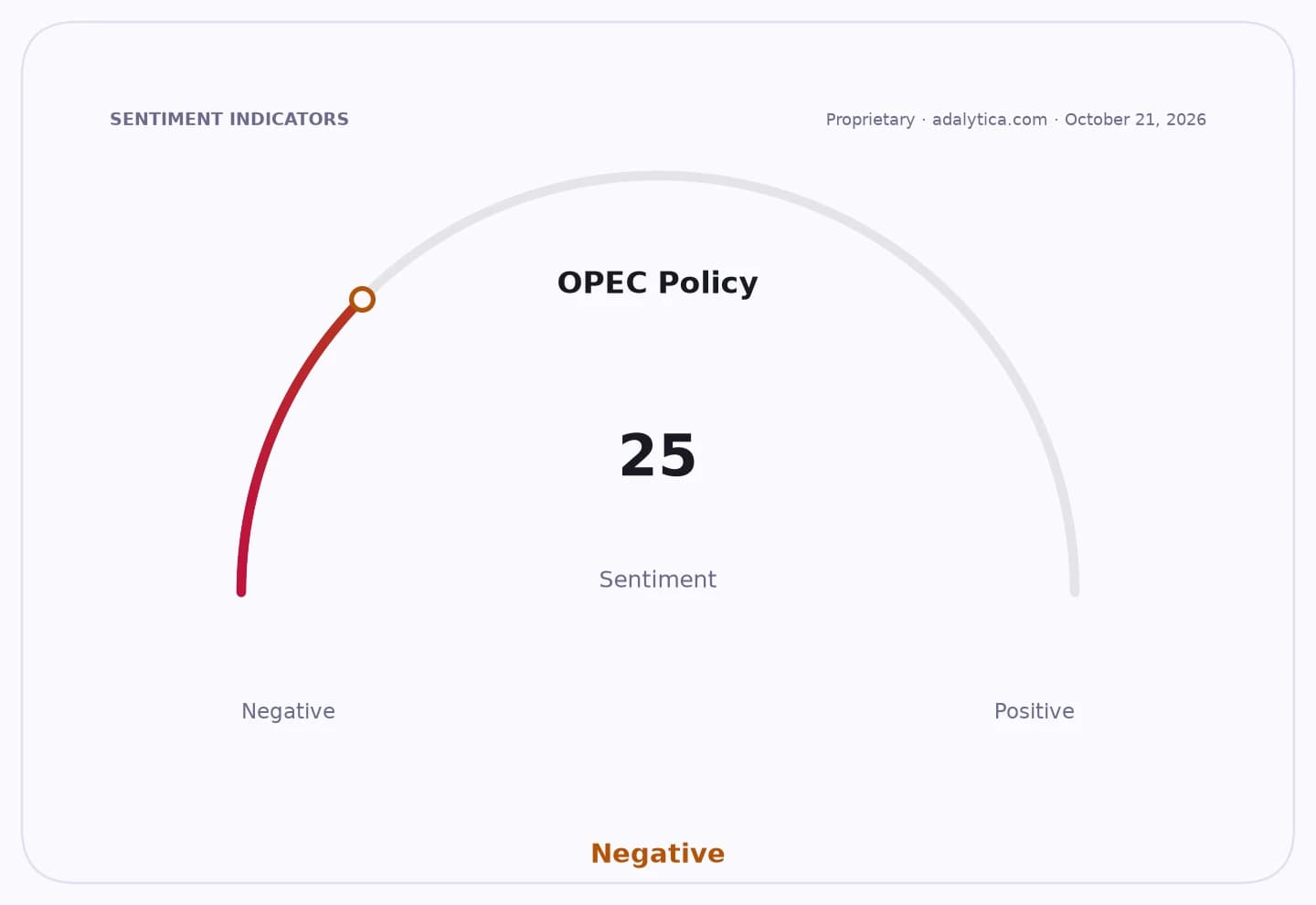
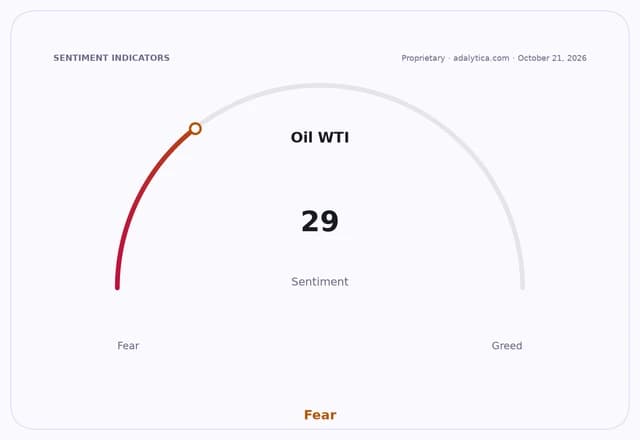
At the same time, sentiment gauges from Adalytica point to elevated caution around OPEC policy and global stability, underscoring how quickly the market can swing when Middle East supply security becomes a focus. For investors, that means Libya’s outreach is not just diplomatic theatre: any improvement in Libyan output reliability or Saudi-backed investment could affect regional supply expectations, while failure to convert talks into projects would leave Libya’s oil dependence and market vulnerability unchanged.
The next catalyst is the Saudi visit to Libya and the OPEC+ ministerial meeting. If both progress smoothly, Libya could secure a stronger voice in producer coordination and fresh financing prospects; if not, the story reverts to another reminder of how fragile North African oil investment remains.
| Entity | Gains | Losses |
|---|---|---|
| Libya’s Tripoli-based government | ▲Investment prospects | ▼Isolation in energy diplomacy |
| Saudi Arabia | ▲Regional influence | ▼Limited if projects stall |
| Oil markets | ▲Supply coordination | ▼Stability from tighter supply |
| Investors in crude and energy equities | ▲Higher prices | ▼If Libya adds reliable supply |