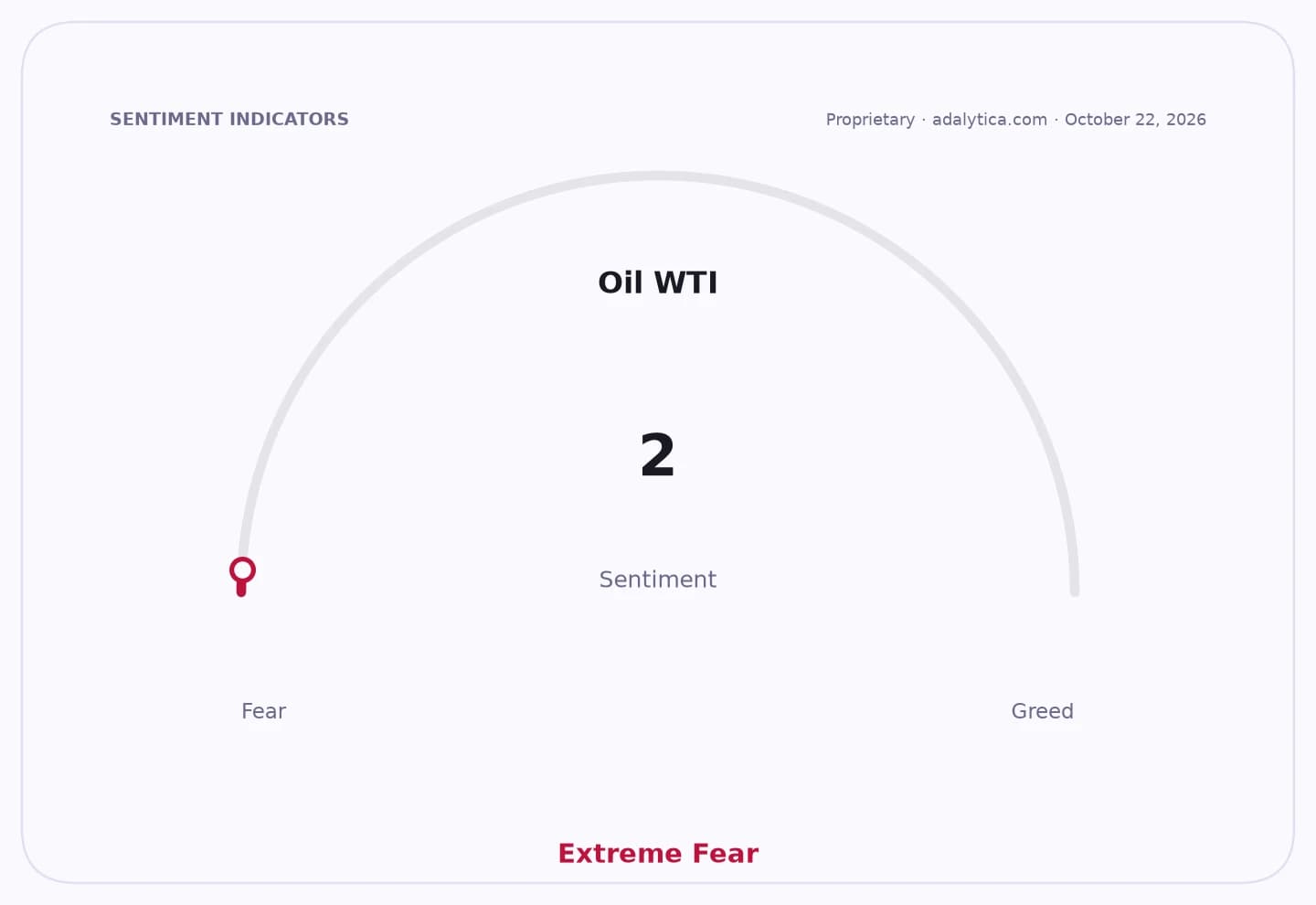
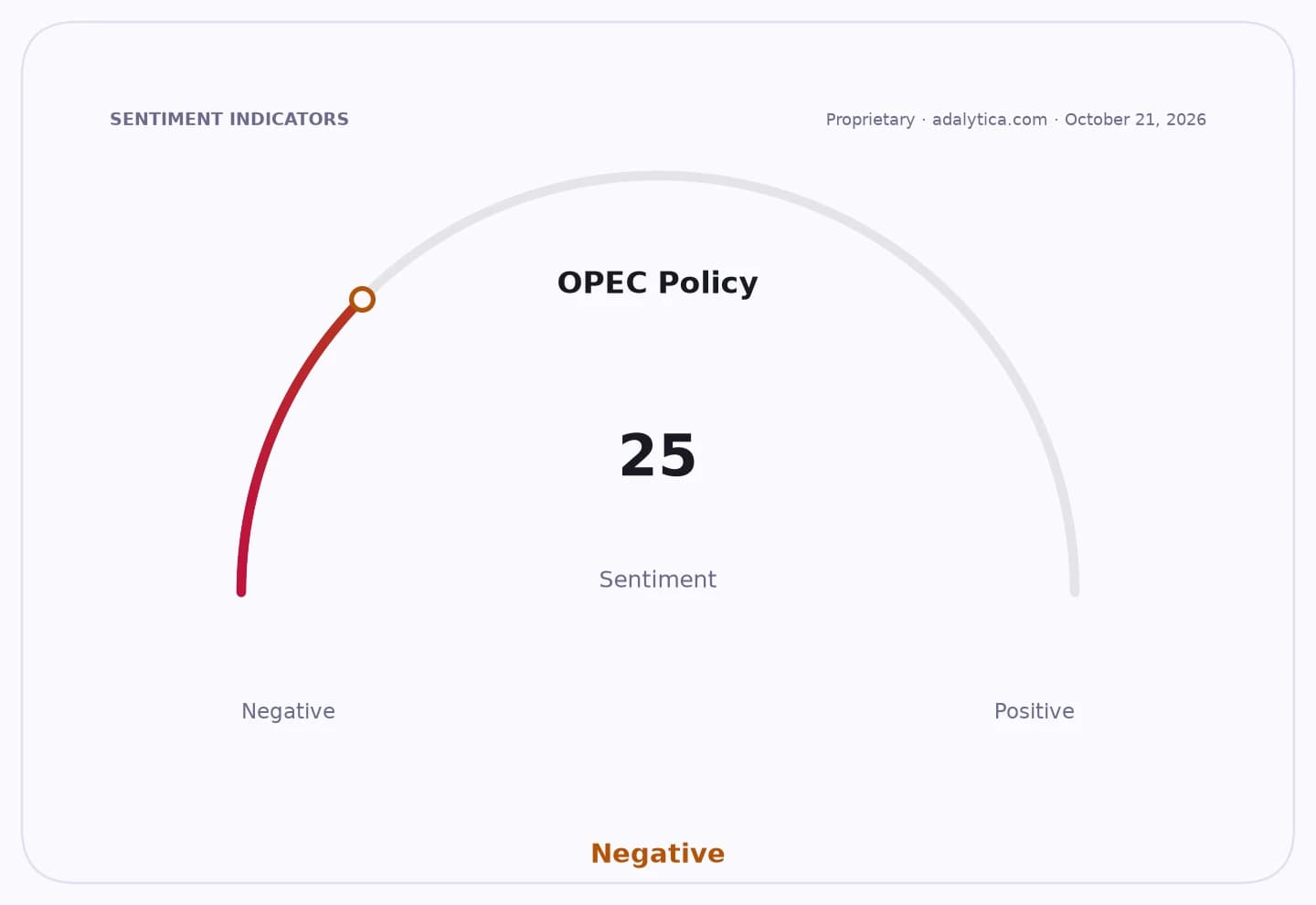
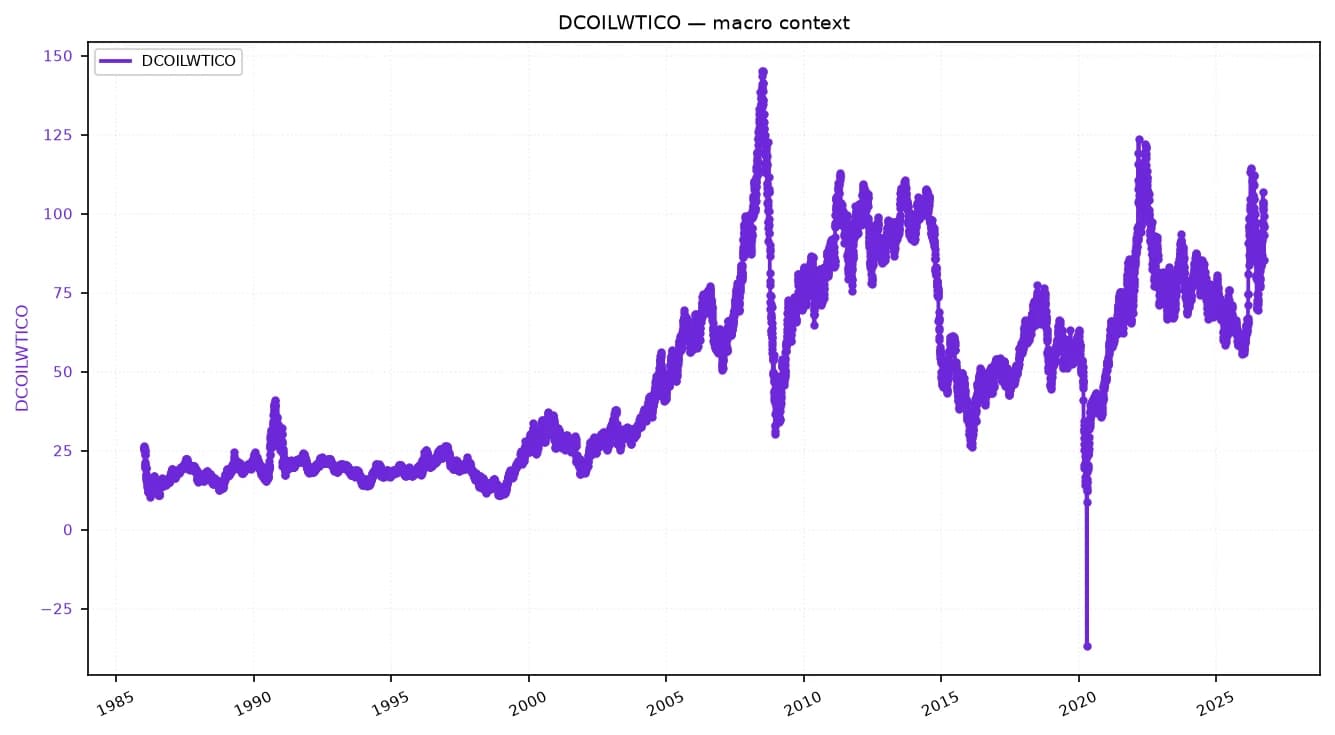
Libya’s central bank said it received only $361 million in oil revenue in the first half of October, underscoring how little of the country’s higher crude prices has yet translated into foreign-exchange inflows for the state.
Libya Central Bank Reports $361 Million Oil Revenue
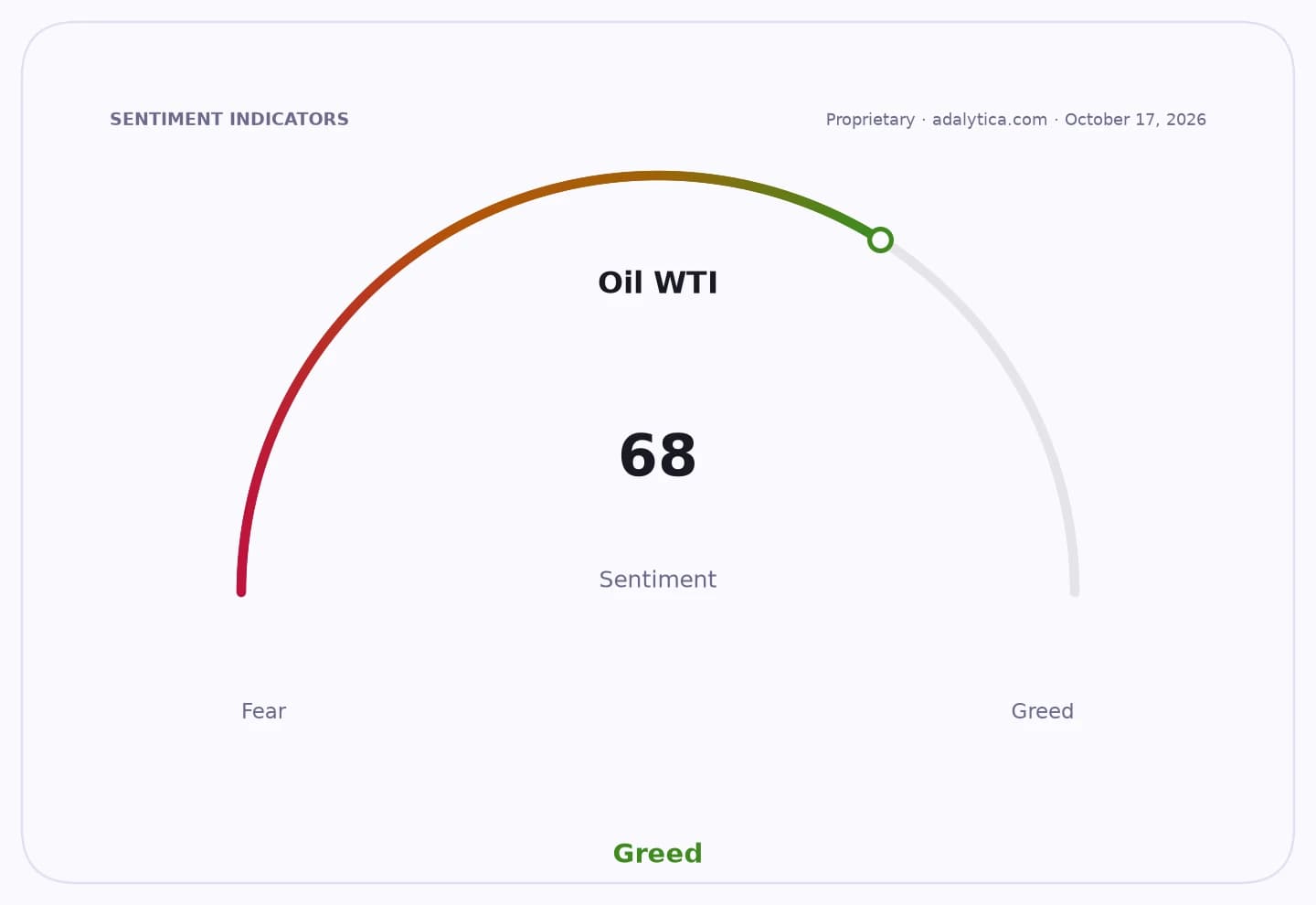
The figure matters because oil exports are Libya’s main source of hard currency and the lifeblood of public spending. With Brent averaging about $126 a barrel so far in October, up roughly 10.6% from September, the shortfall suggests either a lag in export receipts, accounting delays or still-fragile oil logistics that are limiting the immediate benefit of stronger prices.
The central bank said it is watching expected export proceeds and foreign-currency flows closely, a sign that policymakers are trying to gauge whether the recent rise in prices will improve dollar liquidity. That is important in Libya, where political divisions and repeated disruptions to oil production and shipping have often made budget planning, import financing and exchange-rate management more difficult than the headline level of output would suggest.
The National Oil Corp said average crude output was about 1.341 million barrels a day in September and topped 1.4 million barrels a day in October, showing that production volumes are not the main constraint at present. Even so, the revenue number indicates that higher output and higher prices are not yet feeding through at the pace the state would normally expect. For investors, that is a reminder that in producer economies, cash collection can diverge sharply from spot prices when infrastructure, payment channels or state institutions are strained.
The market relevance is broader than Libya. Oil exporters depend on the conversion of production into usable fiscal revenue, not just on barrel counts. If receipts stay subdued while prices remain firm, it can point to settlement delays, weaker-than-expected export execution or administrative bottlenecks. That would matter for Libya’s near-term fiscal outlook and for any assessment of how quickly the country can benefit from the current oil rally.
For energy traders and investors in Libya-linked risk, the message is mixed: output appears to be recovering, but the state’s dollar intake is still not matching the move in crude benchmarks. The next data on October export receipts will show whether this is a timing issue or a deeper break between production and cash generation.
| Entity | Gains | Losses |
|---|---|---|
| Libyan oil producers | ▲Higher output volumes | ▼Revenue lag in state finances |
| Libya’s central bank | ▲Visibility on forex flows | ▼Weak near-term dollar inflows |
| Oil buyers/importers | ▲Potentially steadier supply | ▼Higher crude costs |
| Libya’s fiscal authorities | ▲Higher prices on paper | ▼Limited cash conversion |