Libya’s latest oil receipts are being overwhelmed by a surge in foreign-exchange spending, raising fresh pressure on the central bank’s reserves and underscoring how fragile the country’s public finances remain.
Libya oil receipts face heavy FX spending pressure
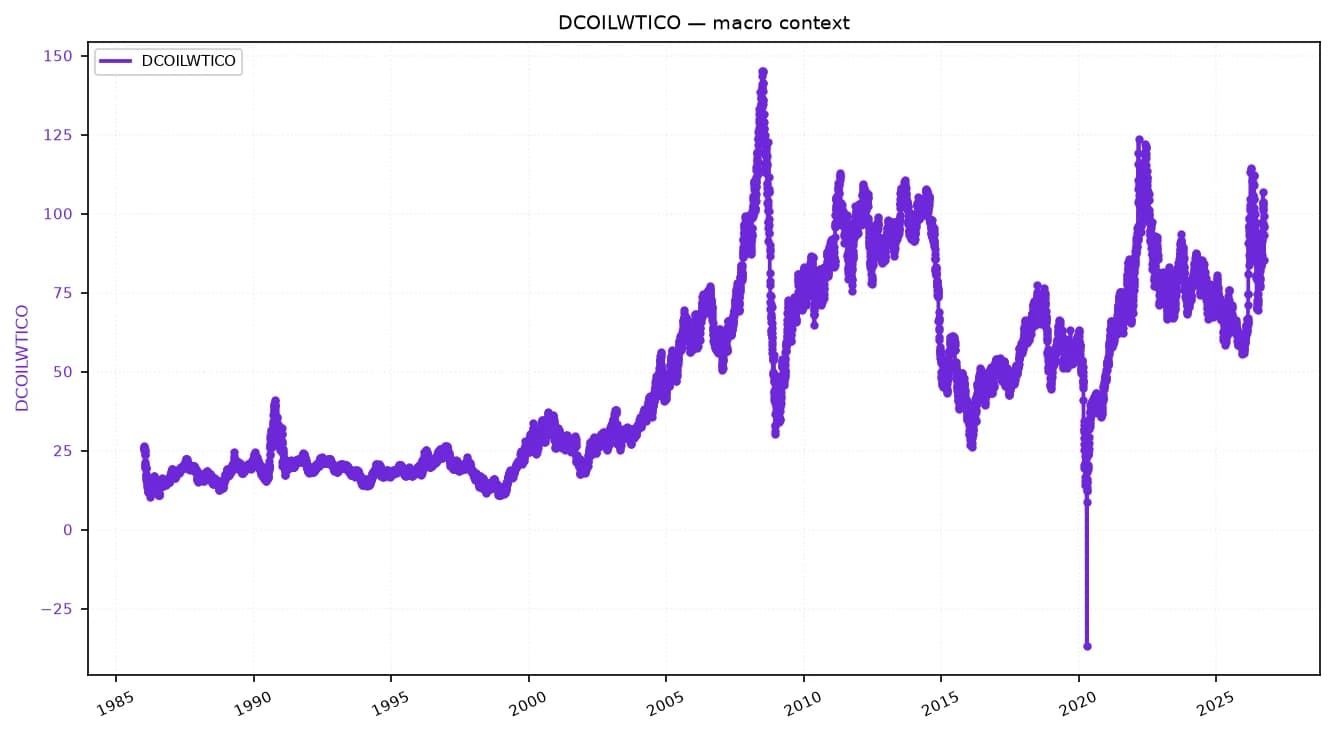
The core problem is simple and economically damaging: the National Oil Corporation said September oil revenues collected and transferred to the sovereign account at the Libyan Foreign Bank totaled about $2.8 billion, but after deducting fuel import costs the net amount may be only $1.4 billion to $1.7 billion. That is roughly the same sum officials said was spent in a single day on documentary credits, transfers, card spending and cash sales on Sunday, Nov. 4.
That gap matters because oil is Libya’s only meaningful external source of hard currency. If one day of demand can consume a month’s net oil income, the country is effectively financing current consumption by drawing down reserves. That is not a sustainable model for any oil exporter, and in Libya’s case it is especially dangerous given political division, weak fiscal control and competing centers of power.
The arithmetic also explains why markets and policymakers should pay attention. A state that earns dollars from crude but quickly recycles them into imports, subsidies and private spending has little buffer when output slips or prices weaken. It leaves the central bank as the backstop of last resort, exactly the point highlighted by local commentator Khaled Al-Zantouti, who warned against further use of reserves. For investors, that means heightened sovereign risk, persistent pressure on the dinar, and continued dependence on administrative rationing of foreign exchange rather than a market-based balance.
The broader narrative is not just about one month’s numbers. It is about a hydrocarbon state where oil wealth is being converted into immediate consumption instead of capital formation, leaving little room for investment, reconstruction or diversification. Unless authorities rein in spending, tighten FX allocation and impose discipline on import demand, the reserve cushion will keep shrinking and the country will become even more exposed to every swing in oil prices.
For now, the investable takeaway is that Libya remains a cautionary tale for frontier EM investors: the oil price may be stable, but the real risk is policy leakage. Until spending is matched to revenue, every rally in crude only delays the reckoning.
| Entity | Gains | Losses |
|---|---|---|
| Oil importers | ▲Cheaper access to hard currency | ▼Export reserve cushion |
| Central bank reserves | ▲Short-term liquidity role | ▼Faster depletion |
| Foreign exchange users | ▲Continued dollar access | ▼Less policy discipline |
| Libya’s fiscal stability | ▲Temporary spending support | ▼Long-term sustainability |