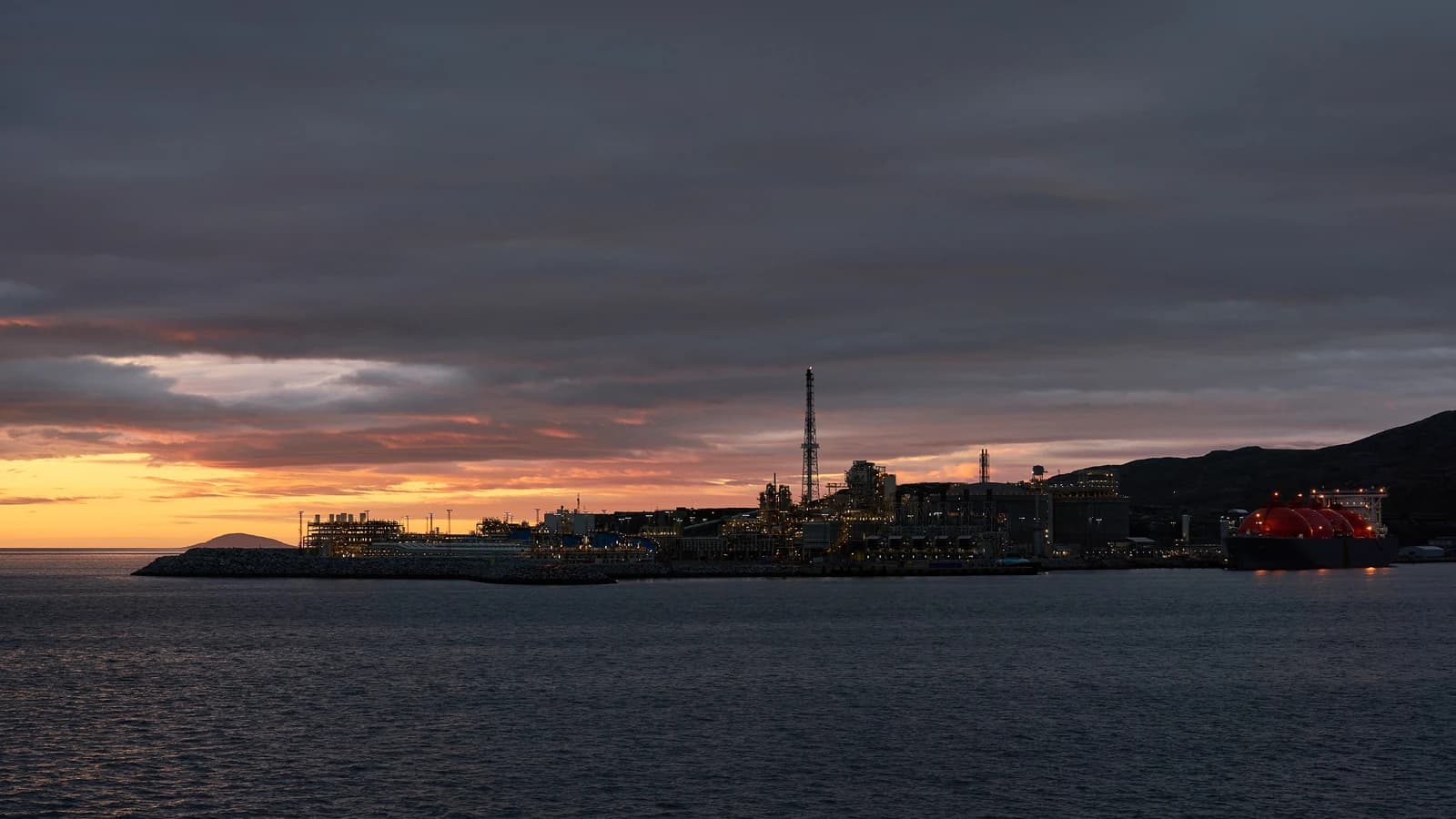
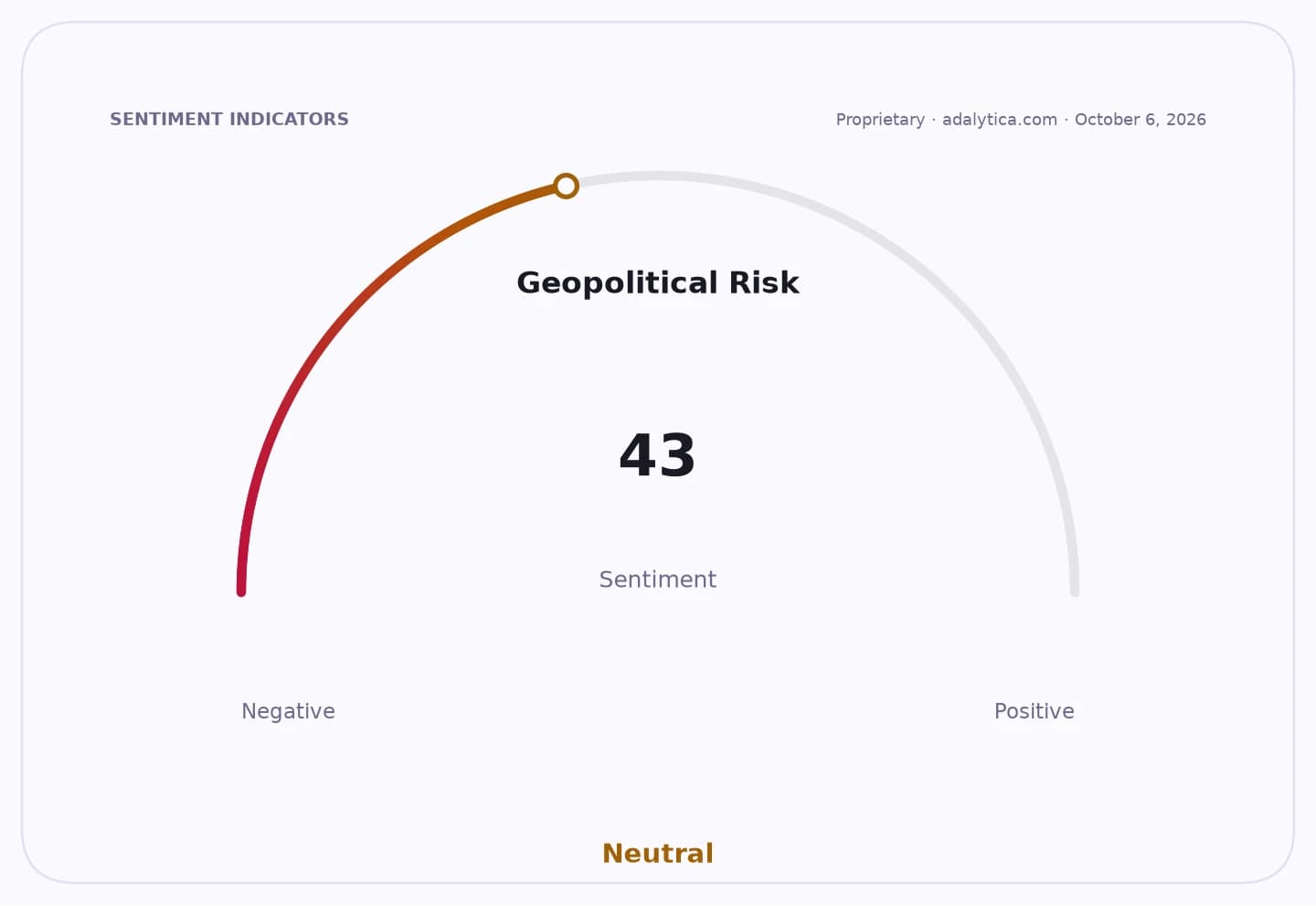
Libya’s offer to help transport Nigerian gas to Europe puts a politically fragile but strategically important route back on the map, potentially giving the continent a new supply line at a time when the market remains highly sensitive to disruption and diversification.
Libya backs Nigerian gas route to Europe
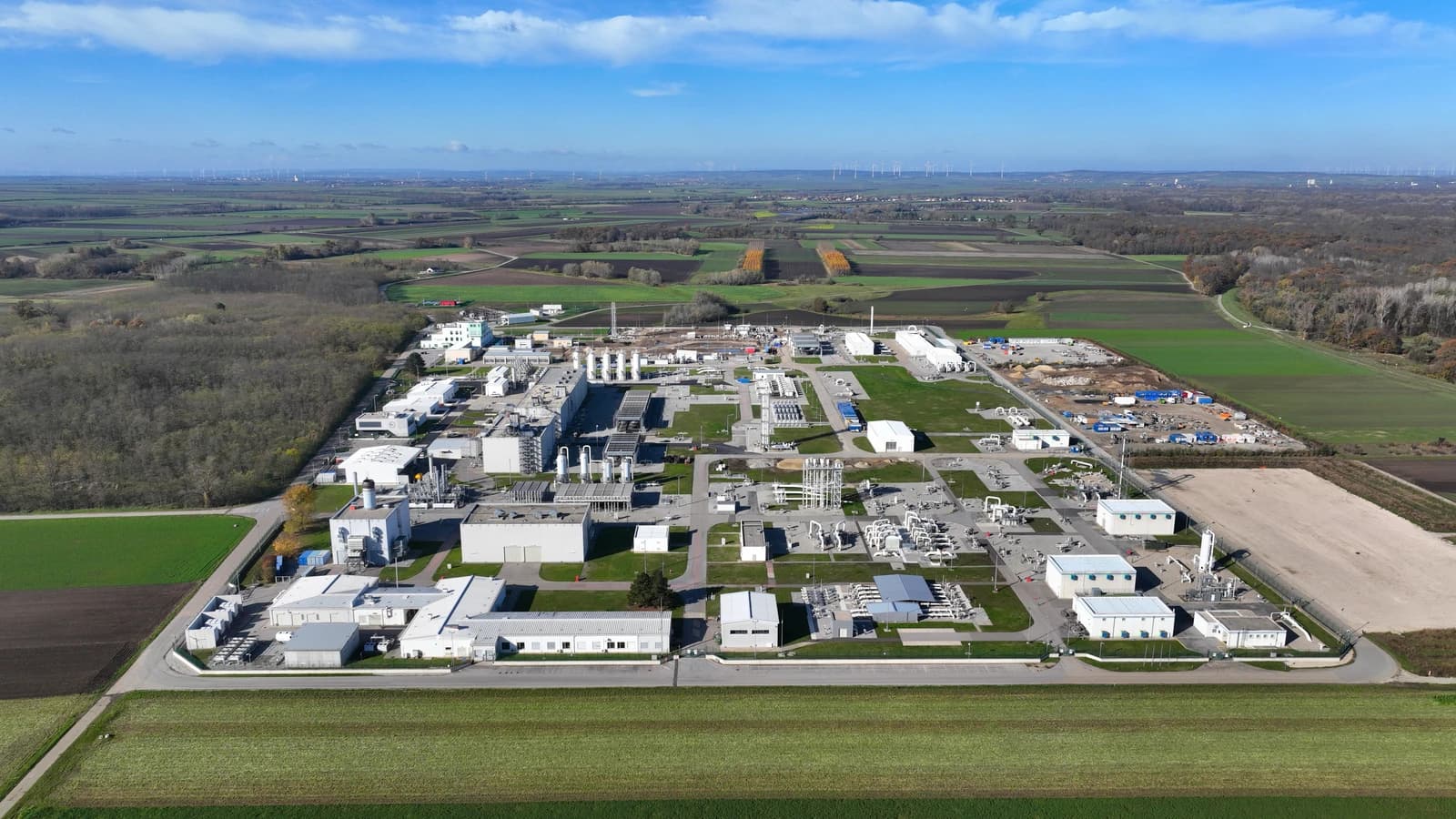
The proposal matters because it speaks directly to Europe’s search for non-Russian gas, Nigeria’s effort to monetise its reserves more effectively, and Libya’s push to turn geography into economic leverage. A successful transit corridor through Libya could shorten the political distance between West African gas fields and European buyers, while also creating a commercial bridge between two producer states that have long struggled with infrastructure, security and investment constraints.
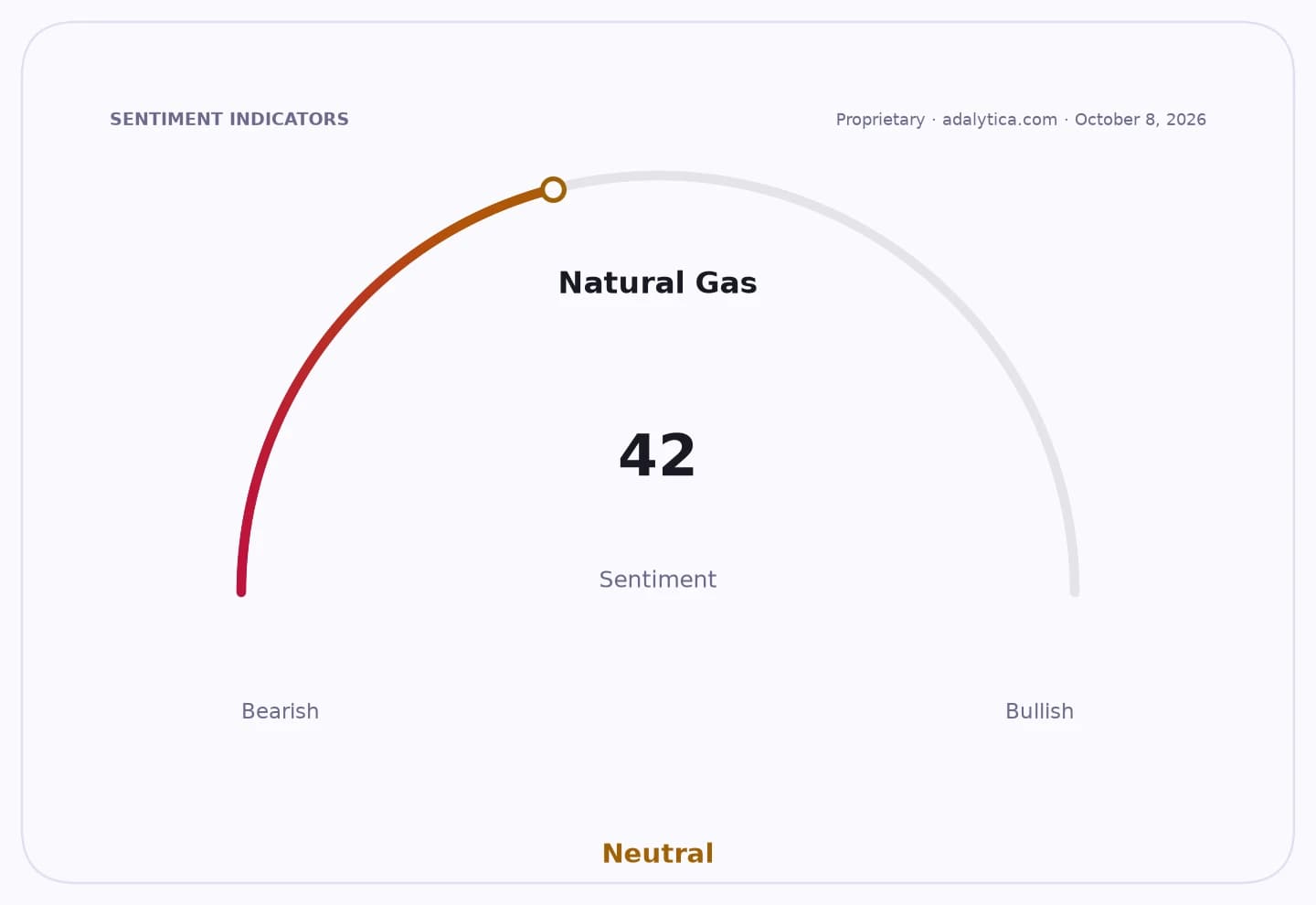
Sentiment IndicatorsⓘProprietary · adalytica.com · October 8, 2026
This is a snapshot — live sentiment, awareness and momentum for 130+ markets update continuously in the dashboard.Open AlphaPulse
For investors, the headline is less about an immediate physical flow and more about optionality. Any credible route that can move Nigerian gas northwards widens the set of future supply scenarios for LNG traders, pipeline builders, shipping operators and energy majors weighing African upstream exposure. It also reinforces the broader thesis that the gas market remains underpinned by geopolitics, not just balance sheets, with pricing still vulnerable to bottlenecks, sanctions, conflict and diplomatic breakthroughs.
The economic logic is straightforward. Nigeria has some of Africa’s largest gas reserves but has historically lacked the infrastructure to bring volumes to market at scale. Europe, meanwhile, has been forced to diversify supply after the shock of recent years and is still prioritising security of supply over cheapness. A transit arrangement through Libya would not solve those structural problems overnight, but it could improve the commercial case for long-dated investment by lowering one of the key barriers: route access.
That said, the plan is constrained by execution risk. Libya’s own energy system has been shaped by years of instability, while any northbound corridor would require cross-border coordination, financing and years of engineering work. For that reason, the immediate market impact is likely to be limited. But in a sector where long-term contracts, sovereign guarantees and political alignment drive capital allocation, even a tentative agreement can alter expectations around future supply.
The broader narrative is that Europe’s gas security problem is pushing producers and transit states into new alliances. Nigeria gains a possible route to premium markets, Libya gains relevance as a corridor state, and Europe gains another theoretical source of supply. The loser, at least structurally, is the idea that the continent can rely on a narrow set of routes and suppliers. Investors will watch whether this becomes a diplomatic talking point or a bankable infrastructure project.
| Entity | Gains | Losses |
|---|---|---|
| Nigeria | ▲New export route option | ▼Reliance on constrained LNG routes |
| Libya | ▲Transit fees and geopolitical leverage | ▼Execution and security risk |
| Europe | ▲More diversified gas supply | ▼Dependence on fragile corridors |
| LNG rivals / incumbents | ▲— | ▼Potential future share of demand |