TotalEnergies has sanctioned development of the Ima offshore gas field in Nigeria, a move that should materially improve feedgas security for the country’s growing LNG complex just as buyers and producers are prioritizing supply from regions outside the Middle East chokepoints.
TotalEnergies sanctions Ima gas field in Nigeria
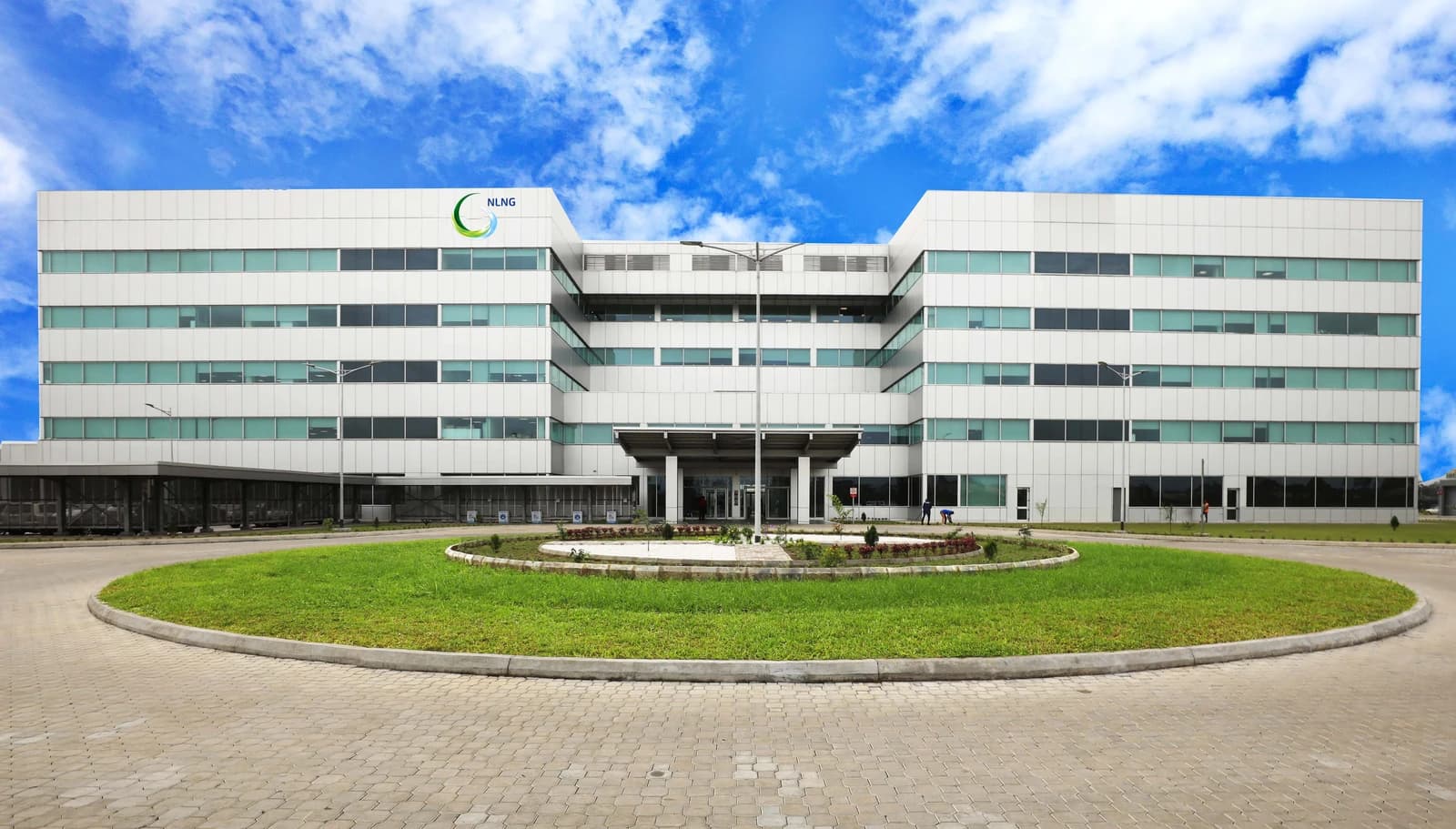
The final investment decision gives TotalEnergies, which holds 40% of Ima and 15% of Nigeria LNG, a direct way to support the Train 7 expansion at Bonny Island, where capacity is set to rise from 22 million tons per annum to 30 Mtpa. When the project starts up in 2028, Ima is expected to produce 350 million cubic feet a day, or more than 60,000 barrels of oil equivalent a day, enough to cover about one-third of the gas needed for the LNG expansion.
That matters because LNG projects live or die on reliable upstream supply. Nigeria has long struggled with gas infrastructure, delayed projects and underinvestment, but Ima offers a relatively low-cost, lower-emissions development: a single platform, a 22-km pipeline to the LNG plant, electric power from shore, and no flaring, according to TotalEnergies. For Nigeria, more domestic gas monetization supports export earnings, industrial activity and fiscal revenues at a time when governments across the LNG value chain are trying to convert stranded resources into longer-dated cash flow.
The timing is also strategically important. The investment comes as the disruption risk around Hormuz and broader Middle East instability has reinforced demand for LNG supply diversity. Chevron has already pointed to opportunities in Africa, the Mediterranean, Argentina and Australia as buyers seek more resilient contracting structures and producers look for non-chokepoint basins. Nigeria, with established LNG export infrastructure and an existing buyer base, is well placed to benefit if it can execute.
For TotalEnergies, the project fits a broader push to monetize gas and LNG while keeping capital intensity disciplined. The company has been advancing gas projects elsewhere, including Cronos in Cyprus, and Ima strengthens its portfolio in a market where LNG remains one of the few growth areas with visible long-term demand. Shell, another major LNG player, has also been expanding through acquisitions and capacity additions, underscoring how the sector is leaning into scale and optionality.
Investors will see two sides to the deal. The bull case is that Ima adds relatively low-risk, infrastructure-linked growth and supports Nigeria LNG’s expansion without requiring a greenfield export buildout. The bear case is execution: Nigeria’s upstream sector has a history of delays, and a 2028 start still leaves exposure to cost inflation, regulatory drift and any further slippage in Train 7.
TotalEnergies’ shares have already tracked the company’s gas-heavy growth strategy, with the stock recently trading near the upper end of its recent range and above its 200-day average. For the LNG market, the bigger implication is that supply diversification is moving from talking point to capital allocation. If Ima stays on schedule, it will not only backstop Nigeria LNG’s expansion but also reinforce West Africa’s role in the next phase of global LNG trade.
| Entity | Gains | Losses |
|---|---|---|
| TotalEnergies | ▲LNG growth optionality | ▼Capital and execution risk |
| Nigeria LNG / Nigeria | ▲More feedgas supply | ▼Dependence on project delivery |
| LNG buyers outside Hormuz | ▲More diversified supply | ▼Less leverage from scarcity |
| Middle East chokepoint exporters | ▲Higher competition | ▼Some demand redirected elsewhere |