Eni and Argentina are moving to turn Vaca Muerta into a major LNG export hub, a plan that could reshape the country’s balance of payments and add a new supply source to global gas markets if it clears investment hurdles over the next year.
Eni, YPF and XRG plan Argentina LNG hub
President Javier Milei met Eni Chief Executive Claudio Descalzi in Paris during Argentina Week to discuss energy cooperation, with the Argentina LNG project emerging as the centerpiece. The venture, developed by Eni alongside state-controlled YPF and Abu Dhabi’s XRG, is designed to monetize the shale gas resources of Vaca Muerta through floating liquefied natural gas units and a fully integrated export chain.
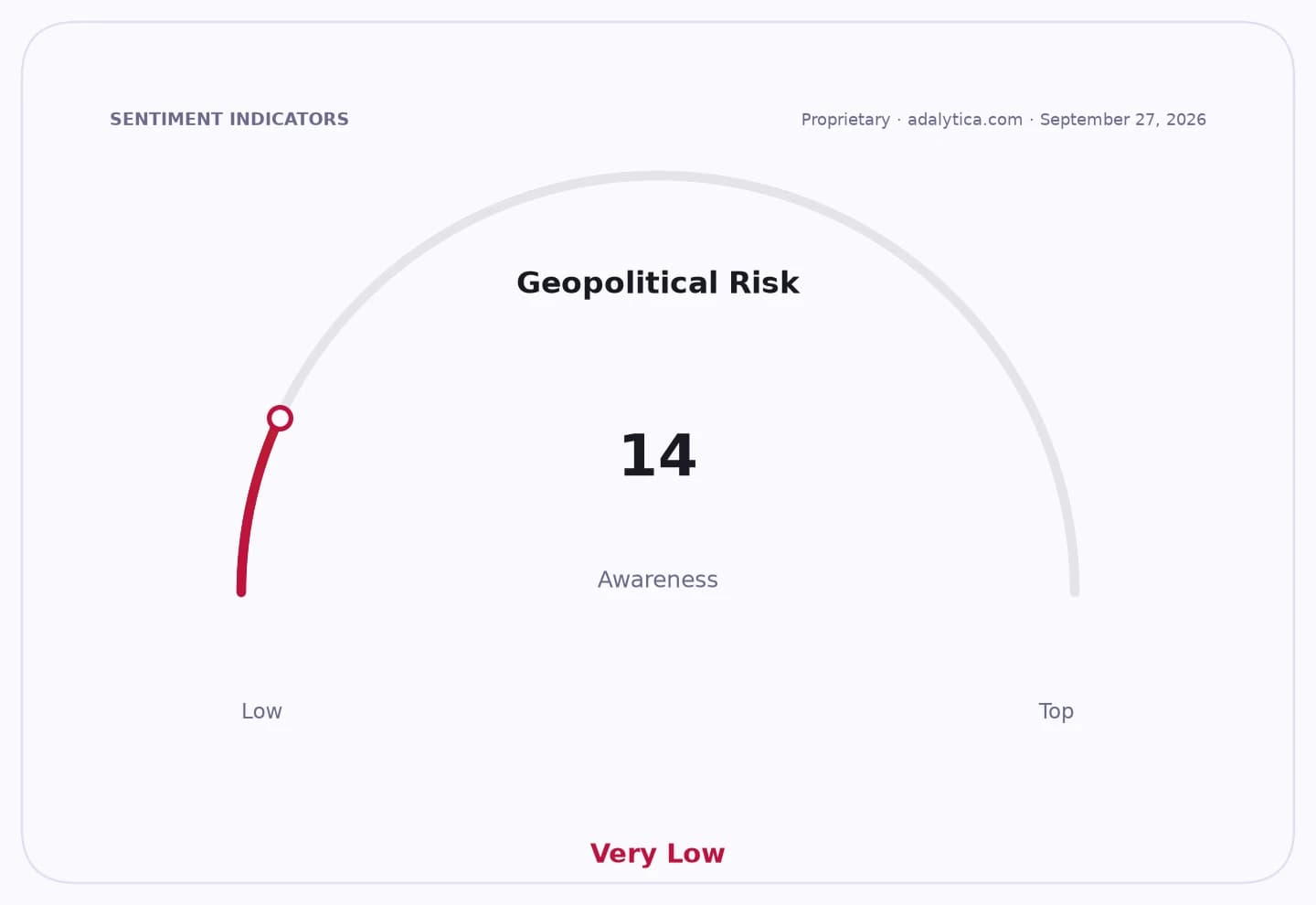
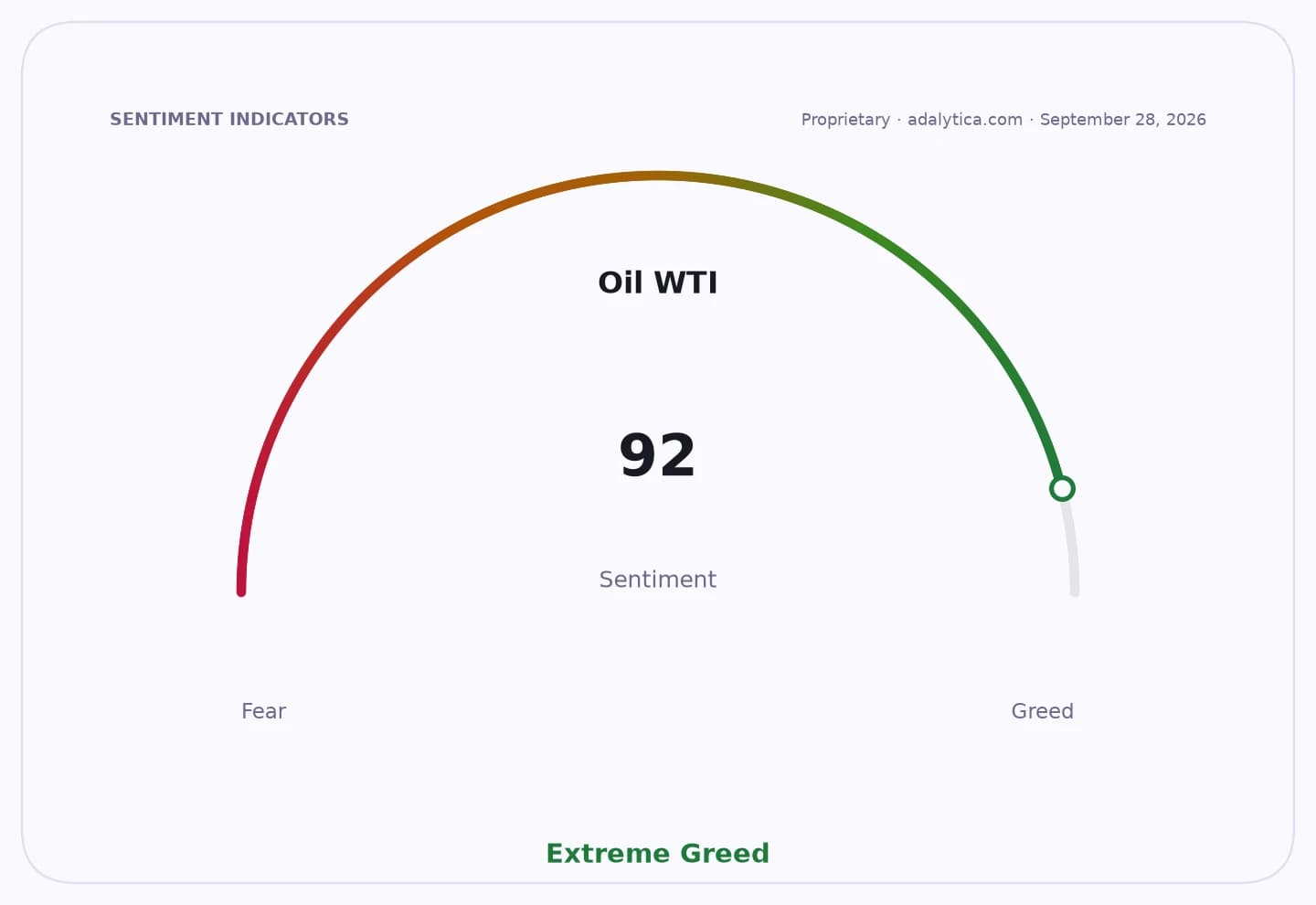
Sentiment IndicatorsⓘProprietary · adalytica.com · October 2, 2026
This is a snapshot — live sentiment, awareness and momentum for 130+ markets update continuously in the dashboard.Open AlphaPulse
The first phase calls for 12 million tonnes a year of LNG capacity, split between two 6 MTPA FLNG units. The partners are targeting a final investment decision by the end of 2026, with production slated to start in 2030. A later expansion to 18 MTPA is also under study. Eni had previously said in August that the FID was expected by year-end, underlining how the project is now moving from concept toward financing and execution.
For Argentina, the project matters because LNG exports would provide a large, hard-currency revenue stream at a time when Milei is trying to stabilize the economy, attract foreign capital and reduce reliance on volatile commodity imports. A successful buildout would also deepen the country’s role in international gas supply just as buyers seek diversified sources outside traditional exporters.
For Eni, the deal strengthens a growth option in low-emission hydrocarbons and ties the company to one of the world’s most prolific shale basins. The Italian group has been present in Argentina since 1968, but the LNG venture is the most strategically important expression yet of its long-running upstream presence there. It also fits a broader industry pattern: major oil and gas companies are using partnerships and floating liquefaction to lower the execution risk of large export projects.
The timing matters for investors because the project sits at the intersection of gas prices, financing conditions and policy stability. A final investment decision would validate years of technical work, including the Final Technical Project Description signed by Descalzi and YPF chief Horacio Marin in October 2025. But the economics still depend on a stable regulatory framework, infrastructure buildout and durable investor confidence in Argentina’s policy shift.
Eni’s shares have recently traded above their 50-day moving average, while the stock’s momentum indicators remain elevated, suggesting the market is already pricing in stronger strategic optionality. Exxon Mobil and Chevron, by contrast, remain more directly exposed to broader oil and gas cycles rather than a single frontier LNG development. For Argentina, the upside is export growth and investment; for Eni and its partners, the reward is a long-life LNG platform in a supply-constrained world. The main risk remains execution, because large-scale FLNG projects are capital-intensive, technically complex and vulnerable to any slippage in permits, financing or politics.
| Entity | Gains | Losses |
|---|---|---|
| Eni, YPF, XRG | ▲LNG growth option | ▼Project execution risk |
| Argentina | ▲Hard-currency export revenue | ▼Near-term capital burden |
| Global LNG buyers | ▲New supply source | ▼Longer lead times |
| Competing exporters | ▲Market-share pressure | ▼More competition for buyers |